

There has been remarkably little courage shown in corporate America during Trump II. What is striking is not merely that institutions have complied, but how uniformly they have done so. Corporations, media organizations, universities — nearly all have bent with an ease that would have been unthinkable a decade ago.
This is difficult to explain by ordinary caution. The conduct in question — masked agents operating with impunity, the public intimidation of allies, incoherent foreign policy, overt shakedowns for donations, shocking appointments, the casual vandalism of civic norms — extends well beyond what any serious institution should regard as reasonable. And yet compliance has been widespread, rivaling even the passivity of a GOP Congress, partisan media, and an increasingly indulgent judiciary.
Which is why the exceptions matter.
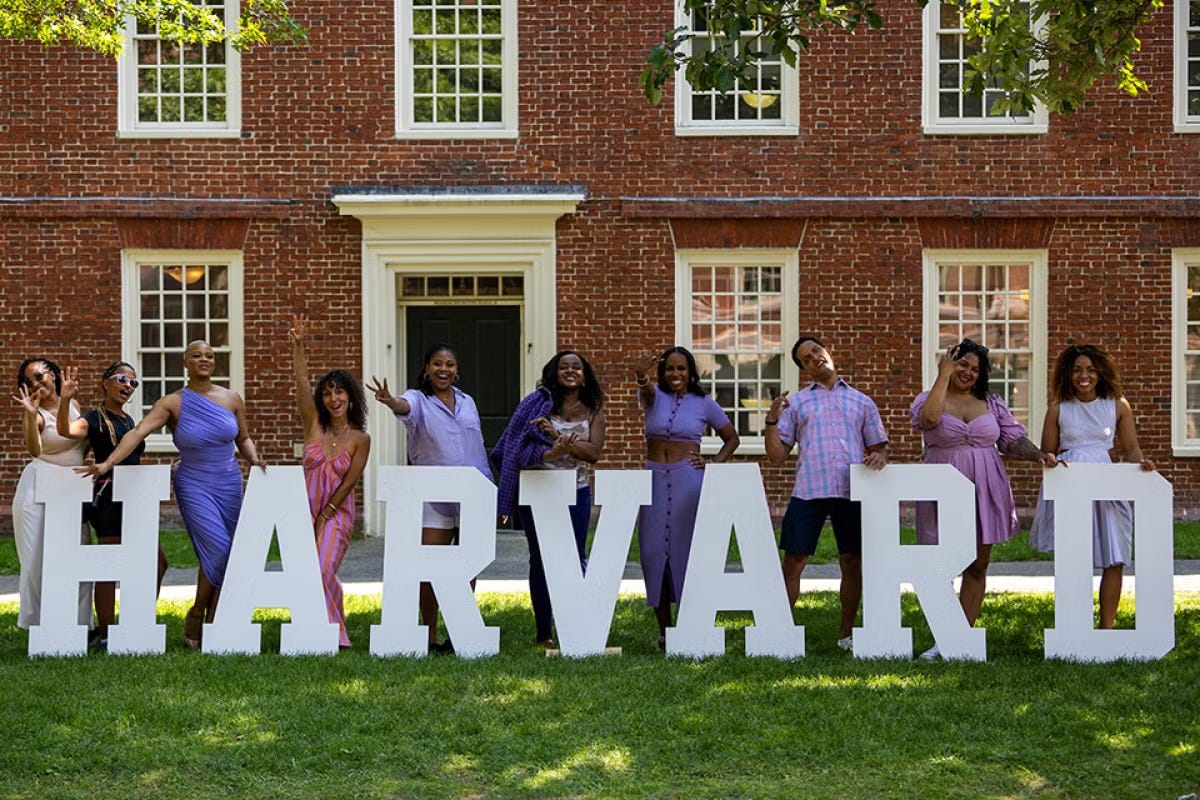
Costco, Apple, and Harvard have stood out — not loudly, not theatrically, but clearly. They have resisted an agenda that is not only unpopular, but corrosive. And they have done so when many of their peers, equally powerful and equally insulated, chose accommodation instead.
It is tempting to explain their posture away. These are successful institutions, after all — well-endowed, indispensable, difficult to bully. But that description fits many others who folded almost immediately. The difference is not capacity. It is leadership — and a willingness to accept risk in defense of something larger than quarterly comfort. Indeed, the greater risk may well lie in universal compliance, which teaches power that it will meet no resistance at all.
Too little has been said about this kind of institutional courage. When the history of 2025 is written, it should note not only who capitulated, but who did not — and why that mattered.
I cannot afford to send a child to Harvard, even if my youngest were fortunate enough to gain admission. Still, I wear Harvard gear with a certain pride. I once avoided shopping at Costco out of concern for small businesses; my view has changed. I am writing this on a Mac and will read the responses on my iPhone — and I have never felt more comfortable being a customer of a company that understands its obligations extend beyond the balance sheet.
Courage, after all, is rarely dramatic. More often it consists of quiet refusal — of deciding that some things are not for sale. A serious society depends on such refusals. And when institutions remember that they exist not merely to profit or endure, but to serve the public trust, they perform their highest function.
That is not partisanship.
It is citizenship.