

Buried beneath louder headlines this week was a quiet but consequential development: plans to build hundreds of facilities across the country to house people swept up in immigration raids. Some will be on military bases. Others in former grocery stores or warehouses near highways and airports. In almost any other moment, this would be a generational story.
The language surrounding them is carefully administrative—facilities, processing centers, temporary housing—words chosen to emphasize logistics rather than the human reality of confinement. A former grocery store stripped of signage, its windows covered, its aisles repurposed into holding areas, is not neutral space. It is a decision, rendered concrete.
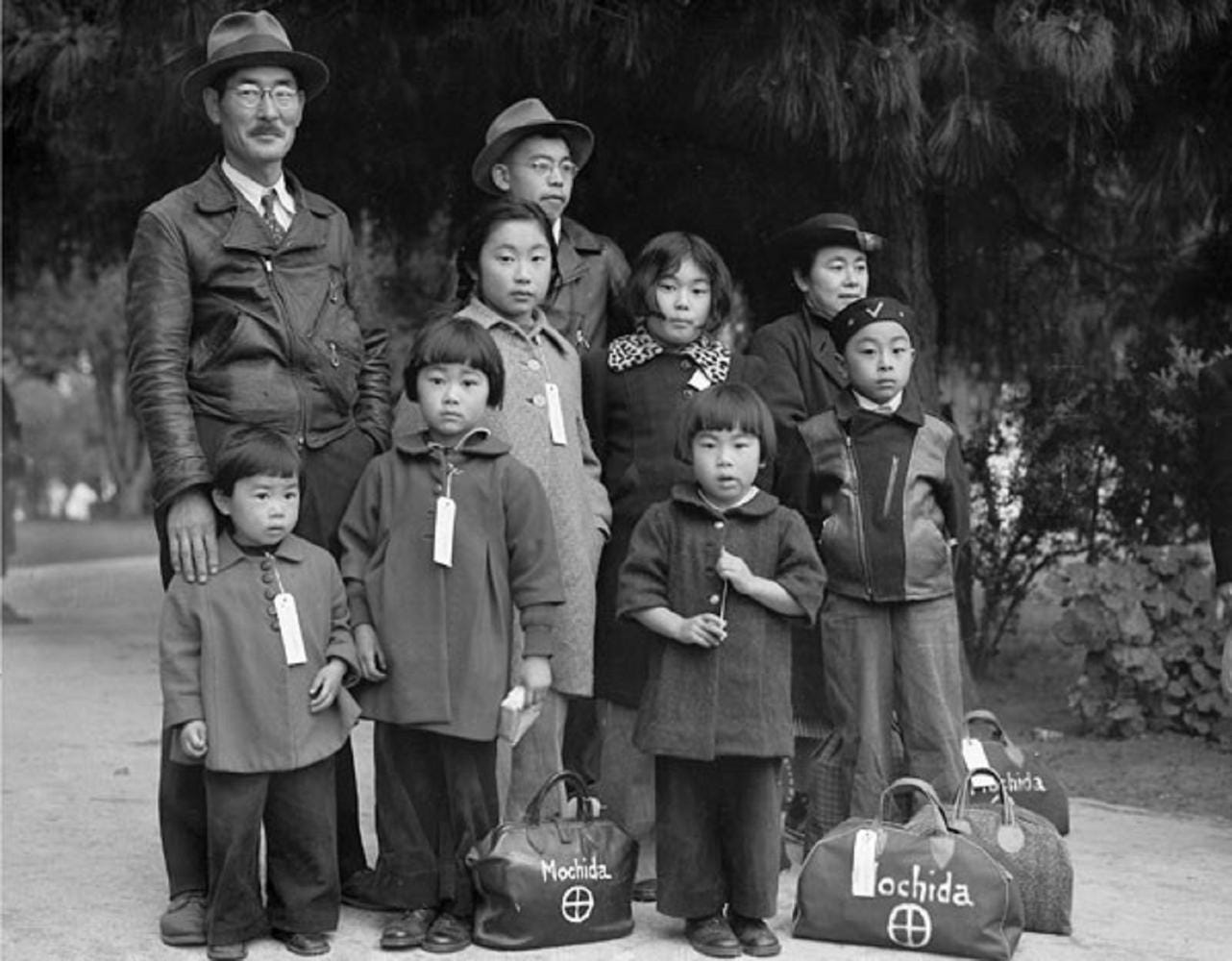
When I was a law student, we studied the Japanese internment camps as settled shame—alongside Dred Scott and resistance to Brown v. Board. These were moments a nation revisits to understand how easily rights collapse under fear. What is striking now is not just the policy itself, but the absence of debate. Basic questions are barely being asked.
Who will be held in these places? For how long? Under whose authority? What medical care will be provided? Will children be educated? Will lawyers have access? Who is responsible for humane conditions—and who is accountable when they fail?
That these questions are not central to public discussion should trouble us. Confinement is among the gravest powers a state exercises. When it is expanded casually, administered hurriedly, and defended reflexively, something essential is already being lost.
Responsibility here does not belong only to officials. In a constitutional republic, power is delegated, not transferred. Actions taken in our name do not disappear into bureaucracy. They return to the citizenry that authorized them, tolerated them, or chose not to examine them. Silence is not neutrality; it is consent by default.
Many Americans still believe this country, for all its failures, bends toward decency. We remember the wars we helped end, the rights we eventually expanded, the institutions we built to restrain excess. But those achievements were not automatic. They required scrutiny, resistance, and the refusal to look away when inconvenience set in.
If these new facilities provoke no sustained concern—about who is confined, why, and under what conditions—then the problem is not messaging. It is habituation. And history is clear on this point: when a society stops asking how power is being used, it soon learns the answer the hardest way.