

There has always been a natural rivalry between Washington and New York — the two most cosmopolitan cities in the eastern United States, one the financial capital of the world, the other the seat of global governance.
I always found Washington the more livable city: more affordable real estate, easier access to excellent high schools and colleges, a pace that allows for actual life. New York, of course, was unbeatable in December and unmatched in entertainment — not just Broadway, but the constant presence of world-class artists, jazz, and the broader arts scene.
Washington had its own jewel: the Kennedy Center.
It offered an extraordinary range of performances, and I took full advantage of it. Over the years I saw the Temptations and the Four Tops, Wynton Marsalis, the National Symphony Orchestra, Aretha Franklin, and countless other artists. You could go for Aretha one night and the National Symphony another. You could see a play, hear jazz upstairs in a small room, or buy tickets for something you knew almost nothing about simply because the Kennedy Center had decided it was worth presenting.
That was part of its value.
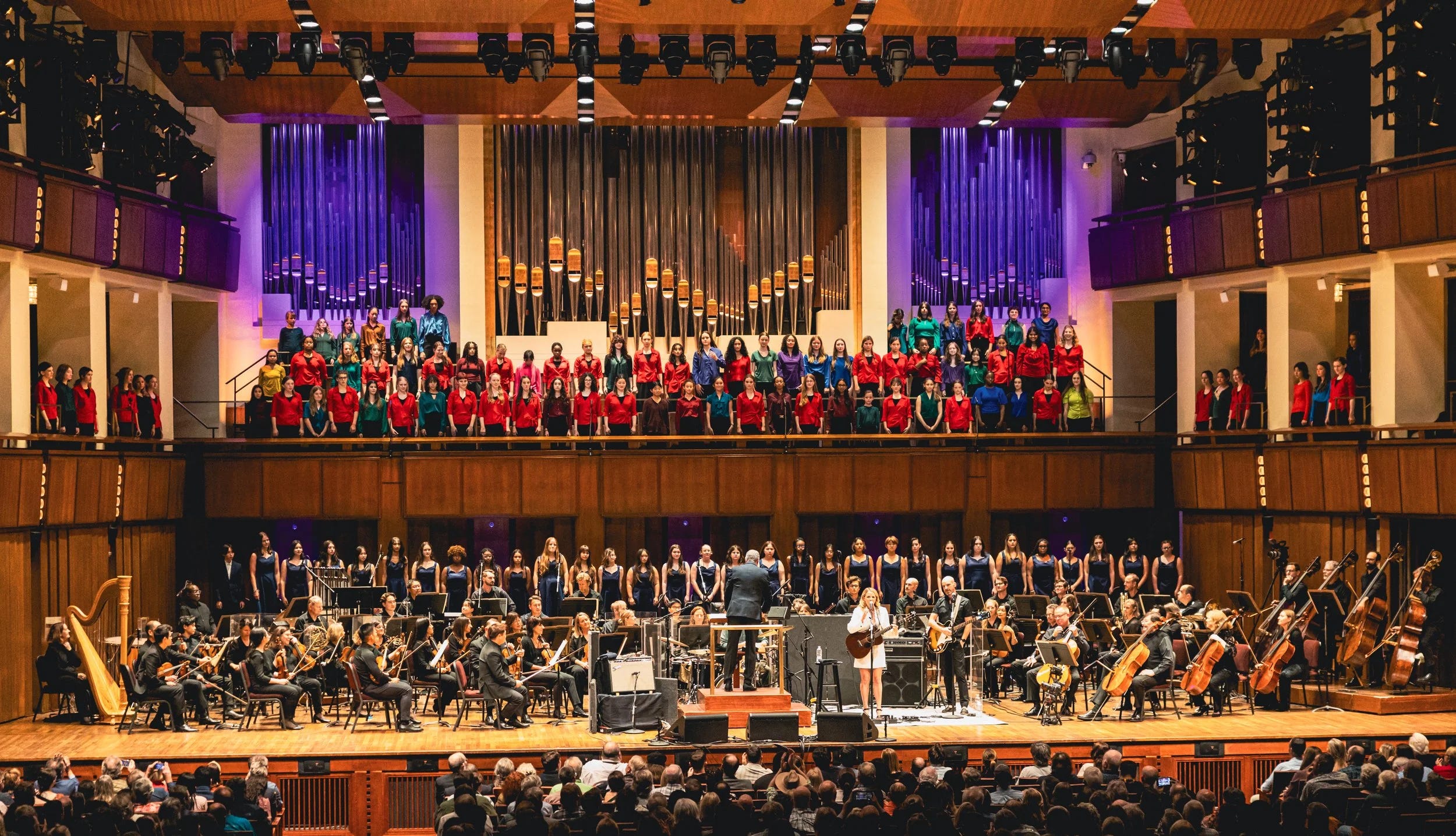
The Kennedy Center let you try new things or simply see the best the country had to offer, all in a beautiful building overlooking the Potomac. It was a perfect night out in a part of the city that felt open and accessible. Before the current upheaval, the Center reported more than 2,000 performances and activities annually across music, theater, dance, jazz and other forms.
Early in his second term, Donald Trump moved aggressively to take control of the Kennedy Center. He removed trustees, installed allies and became chairman of the board himself. Leadership and programming changed, artists withdrew or canceled appearances, and eventually the president sought to place his own name alongside Kennedy’s on the building. Courts have since held that the board lacks authority to rename the congressionally established memorial without congressional action.
Many of us find Trump’s aesthetic gaudy, overly showy, and entirely without taste.
That is our prerogative — and his.
Presidents are entitled to have tastes. They may prefer Broadway to ballet, country music to jazz, classical architecture to modern sculpture. The rest of us are entitled to disagree.
But a national cultural institution should not become an extension of any president’s taste.
That is especially important because institutions like the Kennedy Center acquire something over time that no president can create by decree. They acquire memory. The building becomes associated not merely with whoever occupies the White House, but with the artists who performed there and the audiences who came to see them.
That history is now at risk of interruption. The Trump-aligned board has voted to close the Kennedy Center for renovations for as long as two years. The institution has also experienced declines in ticket sales and fundraising amid the upheaval surrounding its leadership and direction.
It feels strange to have to write this because the underlying principle seems so obvious. The Kennedy Center was established as a national cultural institution and a living memorial to an assassinated president. Presidents have always had influence over its governance through appointments. But influence is different from ownership, and stewardship is different from turning an institution into a presidential cultural project.
Washington will never be New York. It does not need to be. New York has Broadway, Lincoln Center, Carnegie Hall, countless clubs and theaters, and a cultural density no American city can easily duplicate.
But Washington had something remarkable of its own.
On an ordinary evening you could drive down to the Potomac and hear Aretha Franklin. Or Wynton Marsalis. Or the National Symphony. You could see a play or wander upstairs and hear jazz in a small room. The building belonged simultaneously to Washington and to the country.
That is what makes the present moment sadder than another political argument over Donald Trump.
Presidents come and go.
Places like the Kennedy Center are supposed to outlast them.