

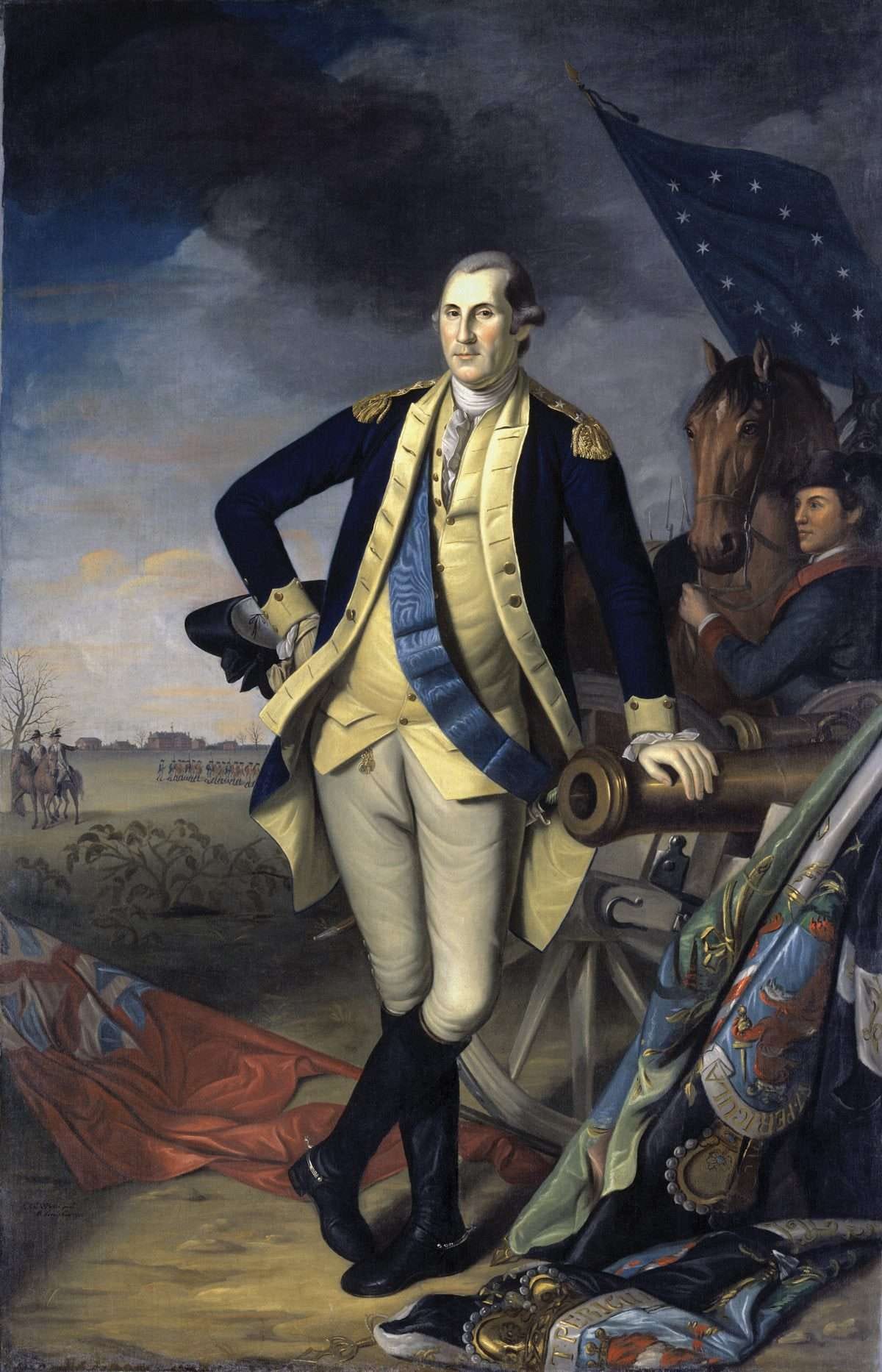
George Washington’s most important task in the war against Britain was not winning glorious battles. It was keeping his army intact. He did not need to defeat the British outright; he needed to show that the Continental Army could fight, endure, and outlast an empire stretched across the world. Survival was strategy.
Before modern vaccines existed, Washington turned to inoculation against smallpox. The procedure introduced the virus through the skin in controlled doses, enough to build immunity without unleashing the full disease. It was risky, but it worked. Smallpox did not destroy his army, and neither did hunger, cold, or the chronic shortage of funds. Washington accepted that some soldiers would become ill so that most could survive.
Today we have vaccines that carry statistically minimal risk and are supported by decades of scientific evidence. We can prevent diseases with extraordinary reliability. Yet rumor and political identity increasingly compete with science itself. The risk-reward calculus becomes impossible when the underlying evidence is dismissed—or when politics intrudes. Even Secretary Pete Hegseth, after halting the military’s routine influenza vaccination requirement, ultimately reinstated it following an outbreak. Reality, as Washington understood, has a way of asserting itself.
Washington was not the greatest battlefield tactician of his age. It is difficult to list many decisive victories that were his alone. But he possessed judgment, discipline, and common sense. He understood risk. He understood endurance. And he understood that leadership sometimes requires choosing the least bad option in order to preserve the whole.
History rarely deals leaders an ideal hand. Washington mastered the one he was given. Few leaders in American history have matched his instinct for balancing danger against necessity.
Washington did not triumph because he avoided risk.
He triumphed because he understood it.
We would do well to remember that.