

Several years ago, Armando Bacot was one of the best players in college basketball — a dominant big man who stayed at North Carolina for five seasons and became a millionaire through NIL. At the time, remaining in college that long still seemed unusual for a player of his stature.
In hindsight, it was an excellent decision.
Bacot did not make the NBA and has continued his career overseas. But his extended stay at North Carolina gave him a degree from a reputable institution, substantial income, national exposure, and five years of basketball in a great conference in a beautiful part of the country. The college portion of his career may ultimately prove more lucrative than much of the professional portion.
That would once have sounded absurd.
Local player Darren Harris spent two seasons at Duke before transferring to Indiana, reportedly for a dramatically larger financial opportunity. Duke offered one kind of opportunity. Indiana offered another — including, reportedly, life-changing money.
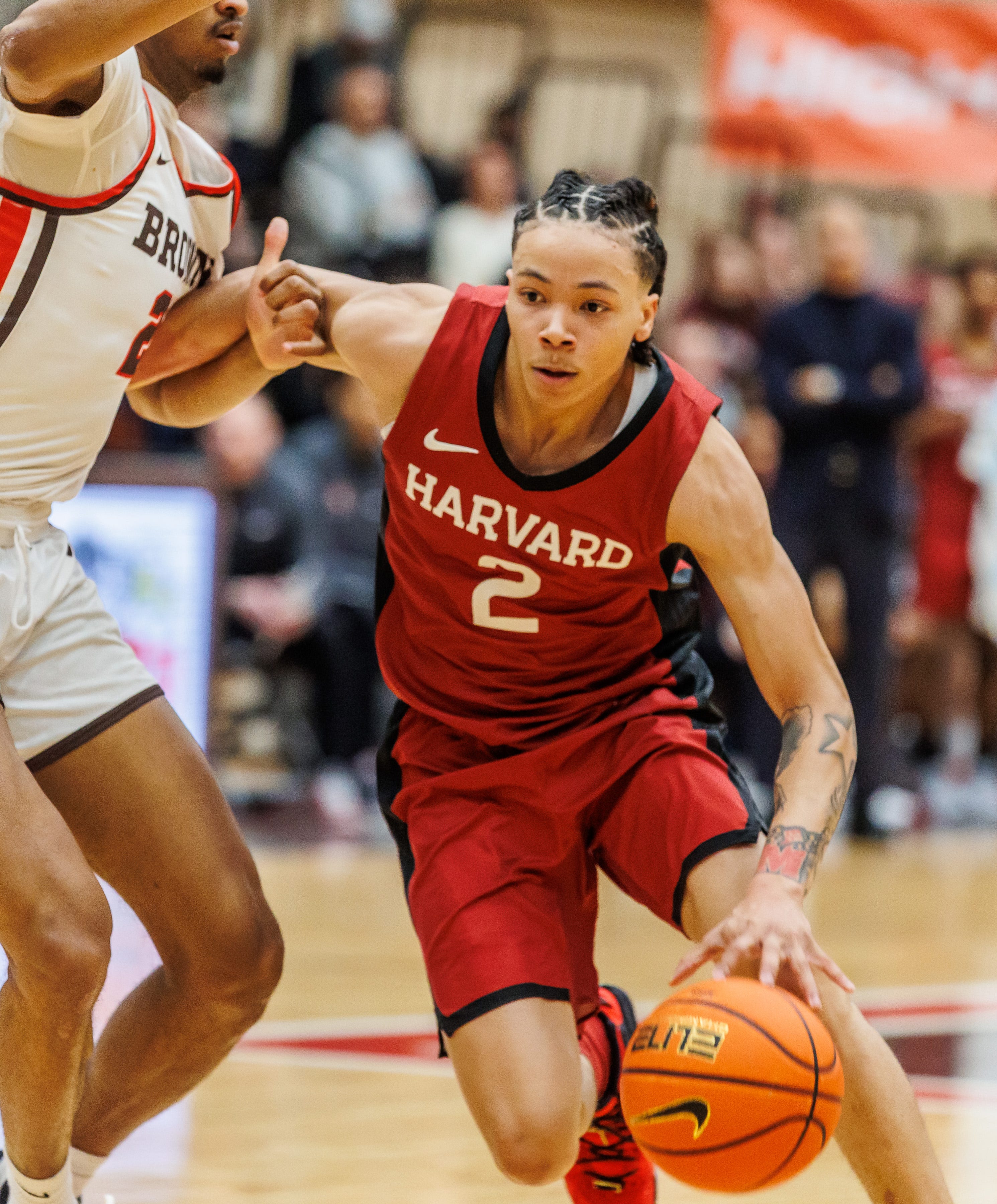
Malik Mack faced a different version of the same calculation. He had a tremendous freshman season at Harvard, an institution capable of providing a lifetime of opportunity. But Harvard did not have the NIL infrastructure available at many major basketball programs. Mack transferred to Georgetown, where substantial NIL opportunities were available, and has moved once again, this time to Providence. There is no obvious answer to these choices anymore.
What is four years at Harvard worth compared with the opportunity to earn hundreds of thousands of dollars while you are nineteen or twenty? What is sitting on Duke’s bench worth if another excellent university will pay you considerably more to play? Education matters. So does money — particularly money available during the very brief period when an athlete possesses unusual market value.
Caitlin Clark and Paige Bueckers made another version of the calculation. Both maximized their years at Iowa and UConn, respectively, earning significant NIL income and extraordinary national attention. At the time, WNBA rookie salaries were tiny compared with the commercial opportunities available to elite college stars. The economics of the WNBA have since changed considerably, but for Clark and Bueckers, staying in college made financial sense.
Their college years were not simply preparation for professional basketball.
They were part of their professional economic lives.
We once treated college sports as a way to obtain an education — and, for the very best athletes, a path to professional sports. There were under-the-table benefits and plenty of hypocrisy, but the athlete was officially an amateur. The real money was supposed to come later.
Big-time college sports, of course, did not suddenly become a business. Stadiums, television contracts, coaching salaries, shoe deals, conference realignment, and March Madness settled that question long ago.
What changed is that the athlete became an acknowledged participant in the business.
And that has changed the calculation enormously.
A basketball player can now have an agent or adviser, negotiate his opportunities, transfer when another school offers a better situation, generate substantial revenue for his university, and earn hundreds of thousands — sometimes millions — of dollars while doing it.
Then he can graduate and discover that professional basketball offers him considerably less.
Which one was his professional career?
Increasingly, the answer is both. The better-paying professional job may simply have occurred while he was enrolled in college.
That is particularly important because the opportunities after college remain extraordinarily limited. Very few college basketball players will make the NBA. Only a fraction will make substantial money overseas. Yet a much larger group of talented college players can now earn meaningful money while they still possess the visibility and scarcity that major college basketball provides.
There are obvious problems with this new system. College athletics still lack many of the contractual protections, salary structures, and competitive rules that govern established professional leagues. The transfer market can resemble free agency without all the rules that make free agency comprehensible. Players, coaches, schools, collectives, and conferences are still figuring out what the market actually is.
But from the athlete’s perspective, there is something remarkable about the change.
For generations, we told athletes that college was an investment in their future. Stay in school. Get the degree. Prepare yourself for whatever comes next.
That advice may still be sound.
But the economics underneath it have changed.
For some athletes, college is no longer merely an investment in the future. It is where they are earning the money that may finance that future.
The professional career may come later.
The professional money may already have arrived.