

For much of the postwar era, American power rested on more than armies, markets, or alliances. It rested on something less tangible and more fragile: the belief that, however imperfectly, the United States sought to govern itself according to rules it expected others to respect.
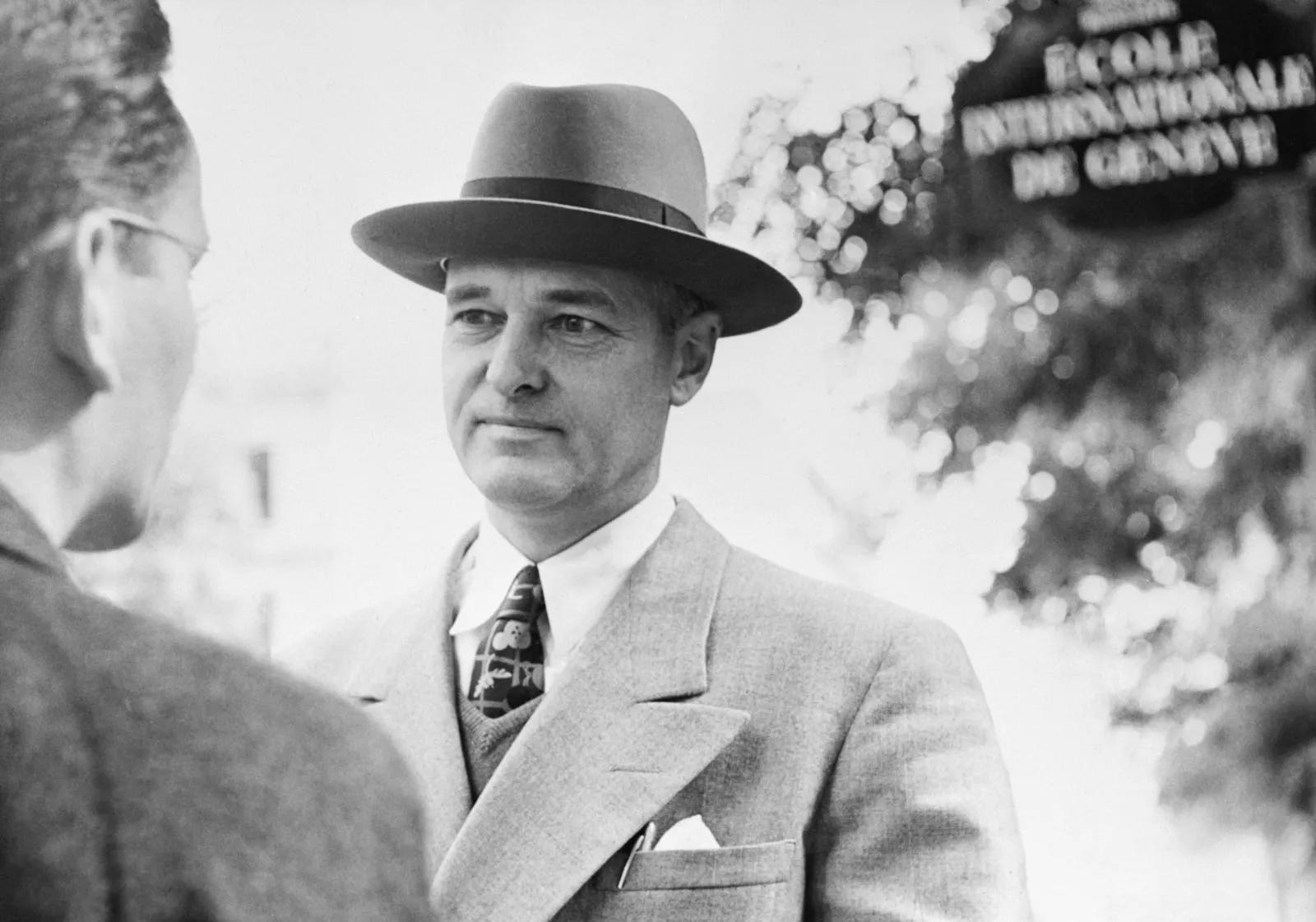
George Kennan understood this clearly. Containment was never merely a military doctrine; it was a wager on example. If democratic institutions proved steady, lawful, and restrained over time, authoritarian systems would expose their own brittleness. The contest would not be won by conquest, but by comparison.
That wager now feels uncertain.
The danger is not hypocrisy. All nations are hypocritical. The danger is more corrosive: the gradual abandonment of precision, process, and restraint—the habits that make power intelligible to citizens and credible abroad.
Power rarely announces itself as lawlessness. It arrives wrapped in administrative language. Raids become “operations.” Detention becomes “processing.” Exceptions are justified as temporary, then normalized. When language blurs, accountability follows. Authority learns to operate without explanation, and citizens are trained not to ask.
Consider what happens when individuals are detained for extended periods without clear charges, consistent access to counsel, or transparent review, justified as a matter of administrative necessity. No single step appears dramatic. Each is defended as provisional. But the lesson absorbed—by citizens and foreign observers alike—is that process is optional when inconvenient. That lesson travels far.
What the world notices is not whether America is flawless, but whether it remains legible. Do rules apply consistently? Are officials constrained by institutions rather than impulse? When failures occur, do they produce correction—or escalation? These questions matter more than speeches or summits.
Restraint is not weakness. It is a visible form of strength. Institutions that absorb pressure without yielding to personality are among the rarest exports democracies possess. When they erode, influence does not collapse theatrically; it leaks away, quietly, into cynicism.
This is why example still matters—and why it cannot be simulated. A nation cannot persuade others to respect due process while treating it as discretionary at home. It cannot demand stability abroad while embracing improvisation in the exercise of power. Other governments learn not from our intentions, but from our habits.
The most unsettling possibility is not that America is uniquely vulnerable to authoritarian drift, but that it is not. That we are rediscovering, as others have before us, how easily language can soften cruelty, how readily institutions can be hollowed without being formally dismantled, and how quickly citizens can become spectators to decisions made in their name.
The value of the example is not moral vanity. It is strategic. It is slow, unglamorous, and often frustrating. But once lost, it cannot be replaced by force or rhetoric. History offers little evidence that power unmoored from restraint remains benign for long—and no nation is exempt from what it teaches the world by what it tolerates, excuses, and ultimately authorizes.