

Heading into 2026, it was easy to believe that the strongmen were ascendant. This is not 1938, but one could be forgiven for thinking that leaders willing to bend domestic and international norms to their will were once again on the march. And yet, the past year has unsettled that narrative. Viktor Orbán faltered in Hungary. Russia and the United States—along with Israel—now find themselves contemplating the end of conflicts they once assumed would conclude in decisive victory. The only remaining question is the cost.
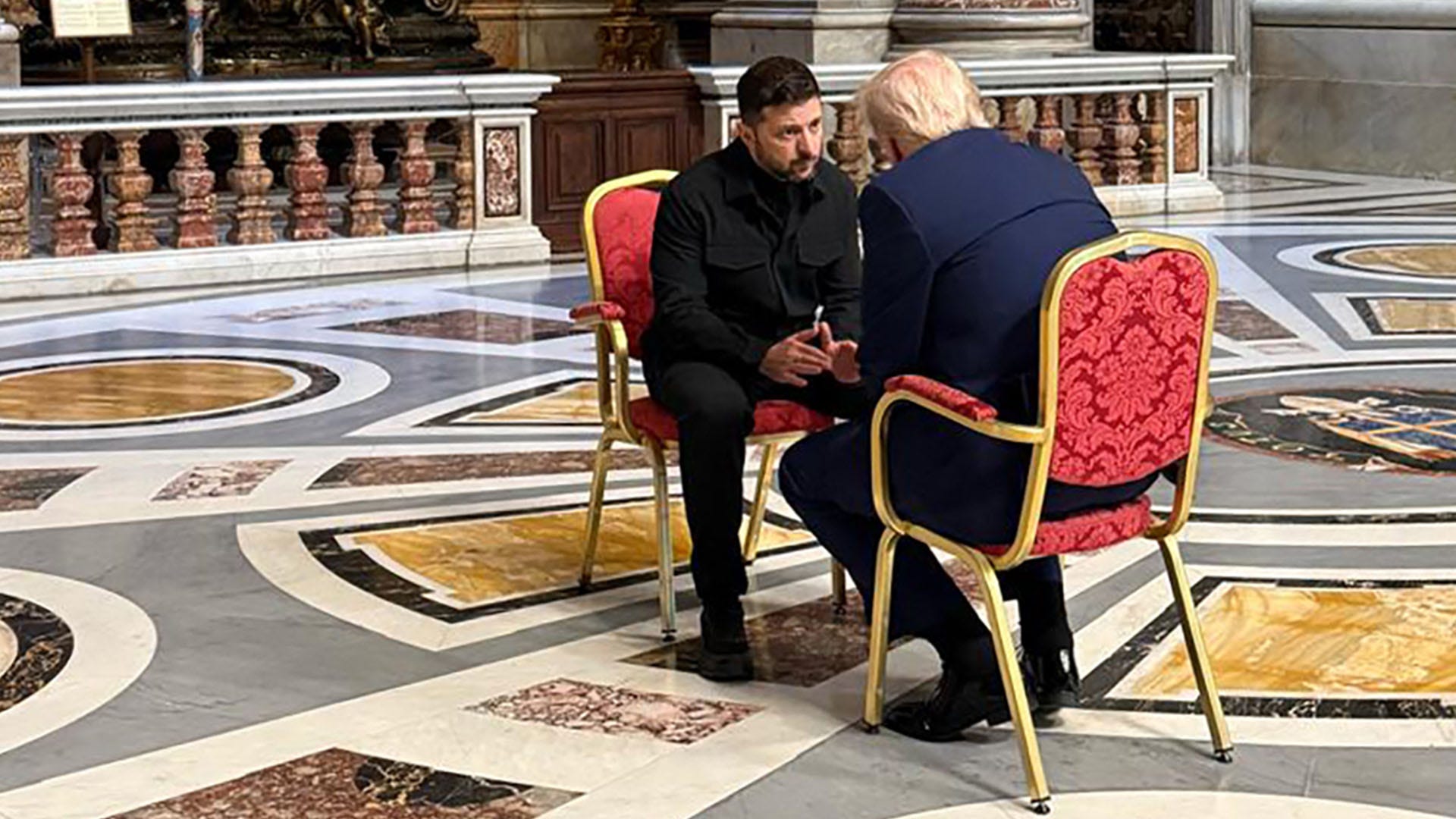
Ukraine, once thought to be on the brink of collapse, is now striking deep into Moscow with large‑scale drone attacks. It speaks openly of retaliation—an eye for an eye—where early in the war even the hint of escalation raised fears of tactical nuclear use or a sudden collapse of Western support. Today, Ukraine advances toward Russia and Crimea with a confidence unimaginable when President Trump told President Zelensky in the Oval Office that he “had no cards.”
In Iran, negotiations appear to be moving toward an outcome that leaves Tehran economically and diplomatically stronger than before, despite the civilian and military losses it has endured. Hamas and Hezbollah have suffered grievous casualties and territorial setbacks, yet they continue to fight. The Houthis, operating with limited means, still challenge far larger powers with asymmetric tools they have not yet fully deployed—tools made all the more potent by their proximity to vital waterways.
The cumulative effect is unmistakable: smaller actors are learning that resistance is possible, and that great powers pay a high price for intervention. Greenland, Taiwan, Cuba, Lebanon—states often treated as pawns in larger geopolitical games—may possess more leverage than we assume. And here the lesson becomes clearest: as Russia and the United States are learning, the exertion of force—whether direct, indirect, or by proxy—against smaller nations carries burdens that great powers often underestimate. War has become asymmetric, fast‑moving, and shaped by geography in ways we once underestimated. We speak often of nuclear devastation, but who imagined the crippling strategic power of simply sitting near the Strait of Hormuz.
We inhabit a world in diplomatic and military flux. The post‑1945 order—refined through two world wars and tested against Soviet communism—is fraying. What comes next is uncertain, and any confidence in predicting the next world order is both optimistic and risky. The underdogs are on the march, and the great powers are learning that strength alone no longer guarantees control.