

There is a familiar refrain when we look back at the Holocaust: we could have done more. We could have accepted the refugee ship. We could have hidden someone in our home. We could have bombed the rail lines or the camps. The sentiment is honest, but it also reveals something uncomfortable about the way we remember history. People often insist they “didn’t know,” even when the outlines of what was happening were visible. Ignorance becomes a kind of absolution.
The analogy is not between what is happening in America today and the Holocaust. It is between something more ordinary and perhaps more important: the excuses people make while events are still unfolding.
More than 43,000 people were booked into ICE detention in June, a record for the second Trump administration, and by mid-July roughly 66,000 people were being held in ICE custody. More than fifty people have died in ICE custody since President Trump returned to office. We know that much.
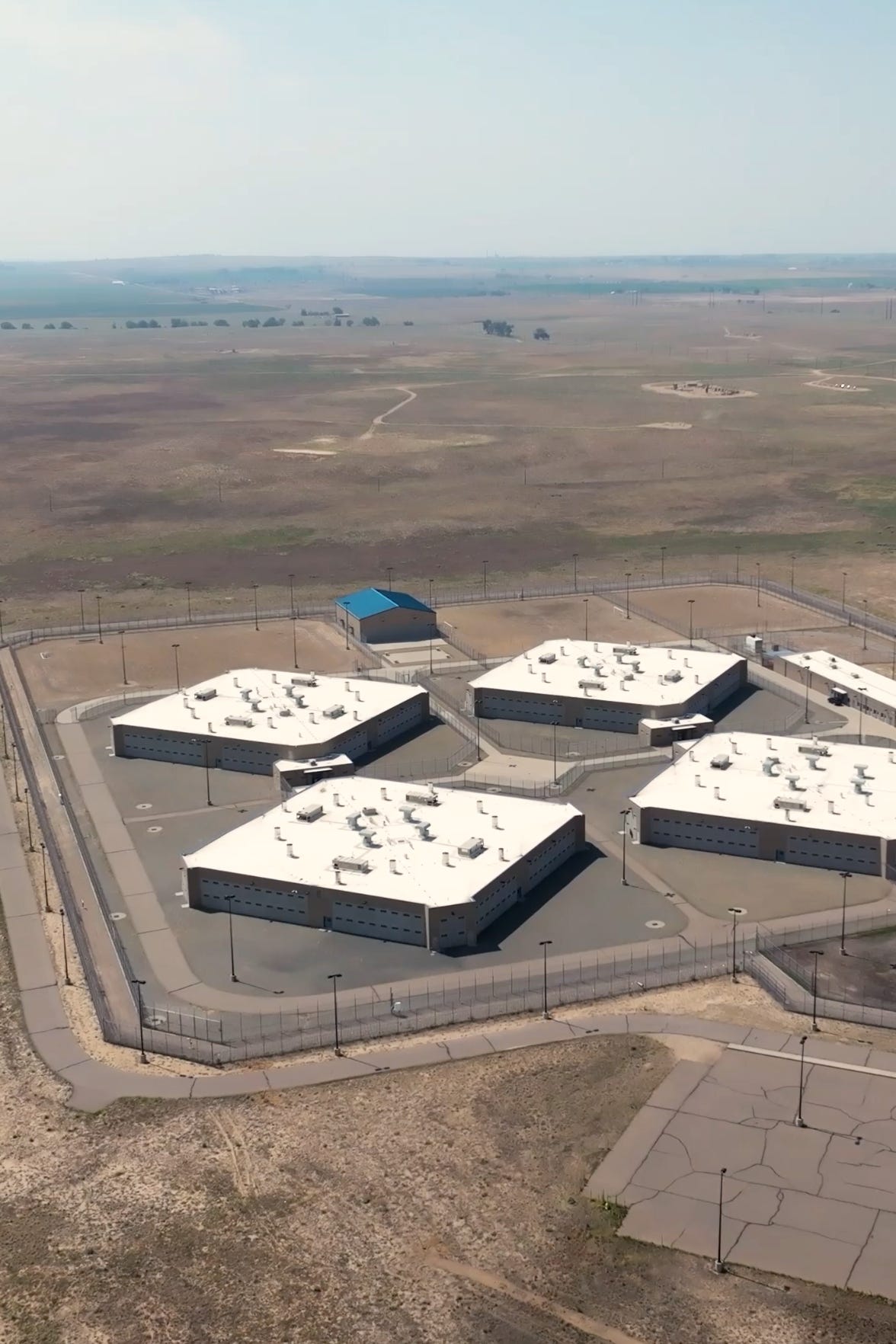
We also know that seeing what happens inside has become more difficult. The administration has repeatedly sought to restrict or condition congressional access to detention facilities, even as courts have defended Congress’s oversight authority. Journalists and outside observers do not have anything approaching unrestricted access. When a system makes it difficult for us to know what happens behind its doors, uncertainty should not reassure us. It should concern us.
There may come a day when we are asked what we did while this was happening. It may not be enough to say that we didn’t know the extent of it.
Of course we don’t know the extent of it. That is part of the point.
We cannot know what happens in every detention center. We cannot know whether every allegation of abuse is true. We cannot know whether every death was preventable or whether every person detained was treated improperly. We should be careful not to claim things for which we have no evidence.
But the absence of perfect information does not absolve us of responsibility. The structure of the system ensures that we will never know everything. We know enough to understand that it can go very far.
That is why democracies create oversight in the first place. We have inspectors, courts, journalists, congressional committees and public records precisely because citizens cannot personally see what their government is doing. When those mechanisms are restricted, the proper response is not to assume that everything behind the closed door must therefore be fine. It is to insist that the door be opened.
And that does not require believing the worst.
It requires asking questions. Insisting on oversight. Demanding transparency. Supporting people whose rights may be vulnerable. And resisting the very human temptation to convert uncertainty into innocence.
We cannot solve everything. We cannot know everything. But those are different propositions from being unable to do anything.
History rarely asks whether we knew everything.
It asks whether we did anything.