

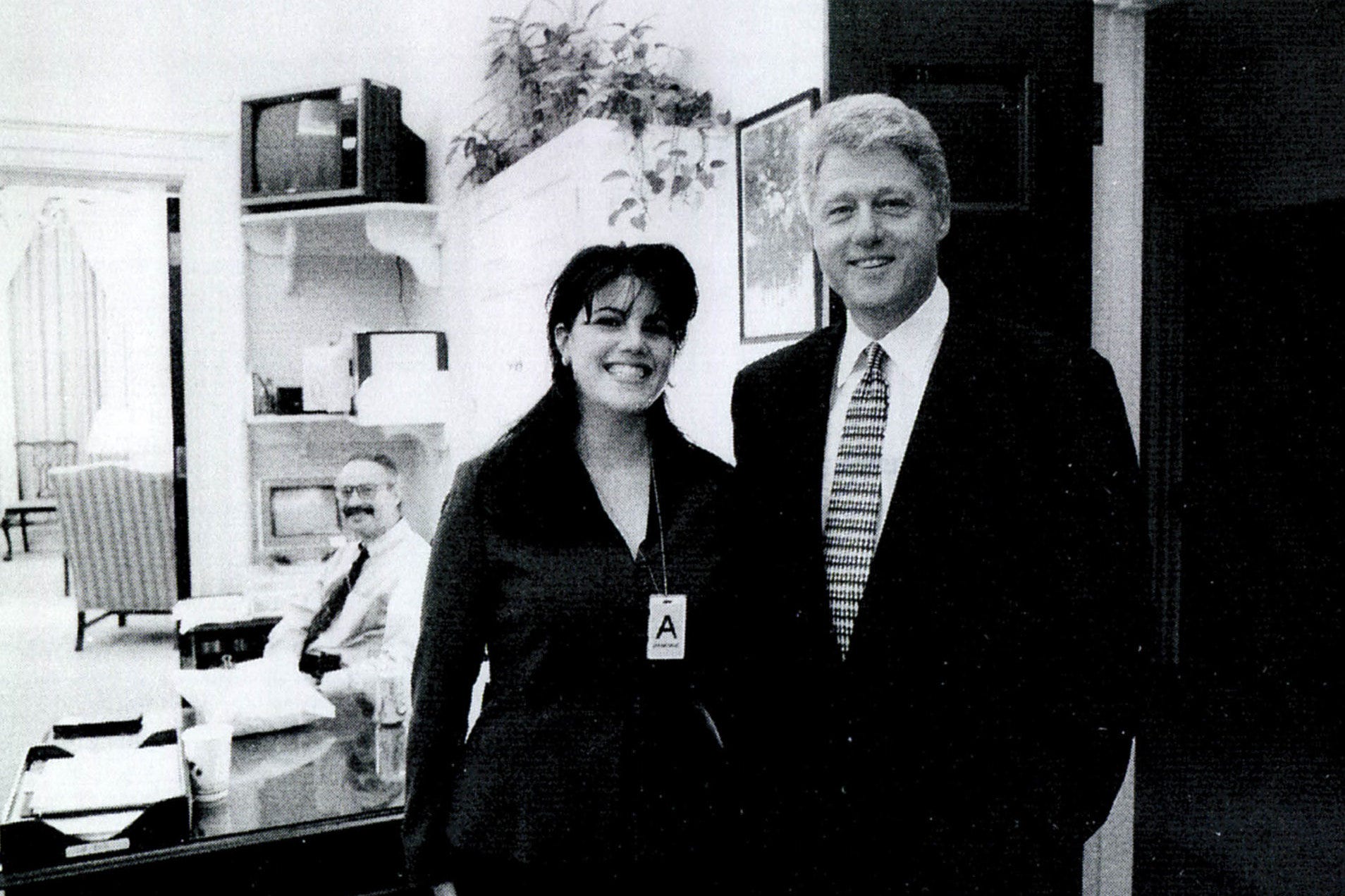
In the 1990s Americans confronted a question they had long preferred to leave alone: does private conduct bear on public trust? The country largely chose to separate the two. Personal failings did not necessarily disqualify a president. A republic cannot require saints.
That judgment contained wisdom. Human beings are imperfect, and democratic government would become impossible if eligibility depended on moral purity. Voters choose a steward of authority, not a model of personal virtue.
But the discussion did not end there.
Over time the question changed. It was no longer simply whether leaders have private faults. It became whether personal conduct reveals how authority itself will be exercised — whether a leader treats obligation as binding even when inconvenient.
A private failing is a human weakness; a pattern of disregard for commitments is something else. The presidency rests not only on legal authority but on public confidence: the belief that decisions will be made with seriousness and restraint.
When that belief weakens, legitimacy—once assumed—must be argued for, and authority spends its energy justifying itself rather than governing. Citizens begin to wonder whether rules apply equally, whether law governs power or power governs law. At crucial moments, written law is not enough; the system depends on restraint.
Citizens must trust that those entrusted with authority recognize its limits — that office disciplines the person rather than the person reshaping the office.
This does not mean every personal failing disqualifies. Many leaders have erred privately yet governed responsibly. Accountability and acceptance of consequence can strengthen confidence. What damages trust is not imperfection but indifference — the suggestion that obligations, once inconvenient, simply do not apply.
In a republic, authority is borrowed and temporary, exercised on behalf of others and constrained by duty. A leader need not be flawless, but he must recognize that the office is not an extension of himself. Conduct showing disregard for obligation crosses from the personal into the public because it signals how power itself may be treated.
Citizens are not choosing a personality. They are entrusting power.
A republic endures when those who govern understand they are custodians, not owners — and when citizens insist on the distinction.