

With Iran in crisis, the World Cup underway, and the 250th anniversary dominating headlines, another story surfaced almost unnoticed: another shooting in ICE custody. Since the departures of Rachel Good, Alex Pretti, and Kristi Noem, ICE and Homeland Security have operated more quietly. They continue detaining undocumented individuals, but without the theatrical displays that once seemed designed to frighten migrants and reassure certain voters. Former Senator Mullin appears to prefer silence over spectacle.
Silence, however, has its own dangers.
We have grown increasingly numb to images of masked agents making arrests, to the vast sums directed toward Homeland Security, and to the extraordinary authority entrusted to an agency whose day-to-day operations often remain opaque to the public. Much of its work unfolds beyond the view of local communities, journalists, and even those responsible for broader oversight. The public usually sees the outcomes, not the process.
We often attach names to tragedies—victims, officers, perpetrators. Names illuminate individual stories, but they can also distract from the larger structure that produced them. The deeper issue is not a single agent or a single incident. It is the system we have built, and the incentives we have allowed to govern it.
Whenever an institution conducts hundreds of thousands of encounters under conditions of limited transparency, imperfect screening, and enormous discretion, mistakes and occasional abuses become less surprising than inevitable. That observation is not unique to immigration enforcement. It applies to policing, prisons, intelligence agencies, and militaries alike. It is not that ICE agents are uniquely prone to misconduct, nor that protesters inevitably cross legal lines. It is the arithmetic of power itself: grant any institution sweeping authority without corresponding transparency, and abuses will eventually follow. We may blame the individuals involved, but responsibility also belongs to those who designed the system—and to the public that permits it to persist without sufficient scrutiny.
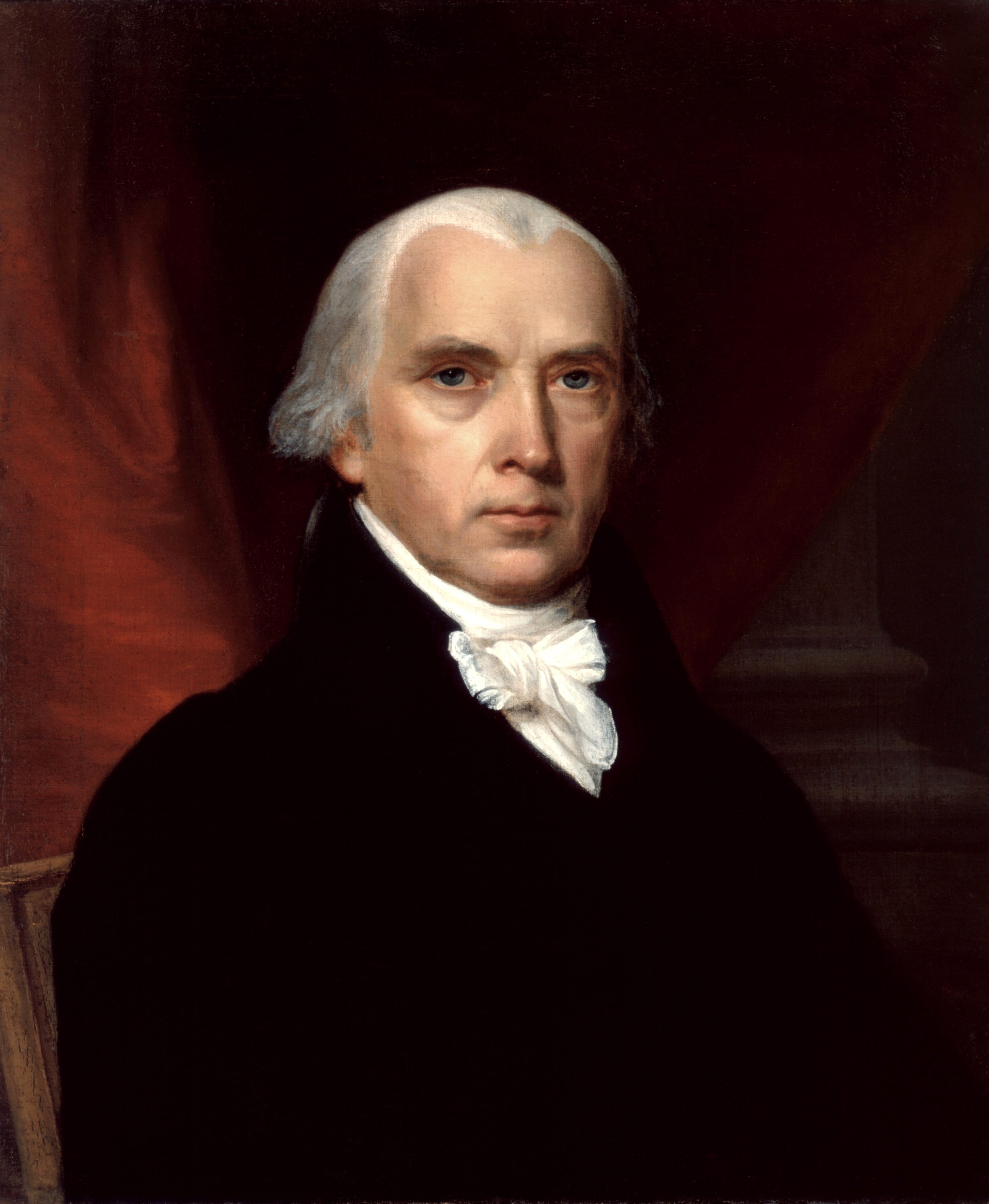
James Madison understood this long before the modern administrative state existed. He did not assume those entrusted with power would be unusually wicked. He assumed they would be human. That is why constitutional government disperses authority, balances competing institutions, and relies on accountability rather than virtue alone.
The danger, then, is rarely that institutions attract monsters.
It is that ordinary people, given extraordinary authority and too little scrutiny, will eventually make extraordinary mistakes.
That is the quiet machinery of power.
Excellent