

We sometimes laugh at the things President Trump says and wonder why he believes he can get away with them. Some remarks are merely silly — bragging about winning his own golf tournament. Others are manipulative, designed to convince people that “beauty” matters more than affordability, health care, or kitchen‑table concerns. And some statements are astonishing: repeated claims of a “deal” in the Iran conflict, assurances meant to keep markets calm during an intractable crisis, or comments that some argue have allowed others to profit from the confusion.
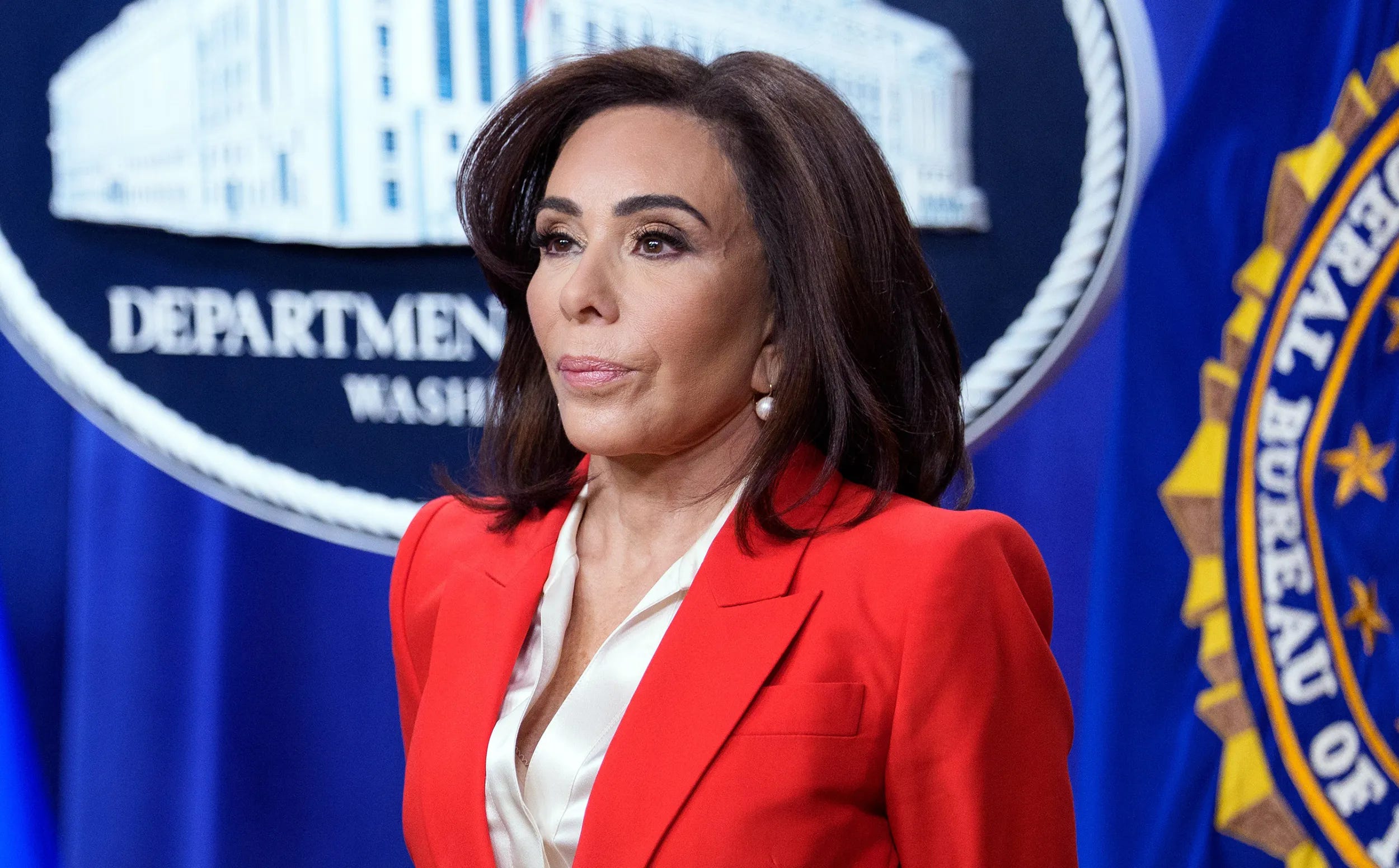
Most of us do not enjoy the luxury of words that carry such weight. Consider the case brought by D.C. U.S. Attorney Jeanne Pirro against the Reflecting Pool vandalism suspect — a former Olympian — even as evidence pointed toward damage caused by poor work from a contractor connected to the White House. Pirro pursued the case vigorously, but in most lower courts the rules remain unchanged: evidence is required, legal standards must be met, and a prosecutor cannot win simply because she wishes to. Determination is admirable; it is not dispositive. Her words, however forceful, did not carry the same power.
It is remarkable how potent Trump’s words have become. Perhaps it is the media environment he helped create — Fox and other outlets with unusually close relationships to the White House. Perhaps he is simply persuasive to his audience. Or perhaps it reveals a flaw in our system: the presidency may be entrusted with too much rhetorical power, too much capacity to shape reality through the bully pulpit alone.
Whatever the cause, Pirro discovered what most public officials already know: rhetoric without authority is just rhetoric. The president’s words can move markets, redirect institutions, and reshape public perception. The rest of us must rely on evidence, procedure, and the slow machinery of law.