

Recently, Mr. Trump literally affixed his name to the Kennedy Center. He thanked the board for its cooperation, a board now populated by Laura Ingraham, Susie Wiles, Donald Trump Jr., and a handful of loyalists whose only credential is fidelity rather than stewardship.
On its own, this would be mere vanity. But it is no longer standing alone.
The East Wing is already gone. A ballroom is now under construction on White House grounds. There is talk—no longer whispered—of a blockade of Venezuela (which, it bears noting, is not an island). There are favorable legal settlements with a Justice Department firmly under presidential control, erratic press conferences, and speeches untethered from reality or restraint.
What matters is not the spectacle, but who remains willing to applaud it.
At this stage, only family members, sycophants, and the most fervent believers can follow Mr. Trump where he is now going. Independent voters—once the ballast of his political success—have fallen away in historic numbers. Supporting him today requires not just overlooking excess, but embracing escalation.
In a healthy system, this is when advisers intervene—urging restraint, warning of consequences, restoring dignity. But the circle has narrowed. Counsel now comes almost exclusively from those who benefit from chaos or mistake domination for strength.
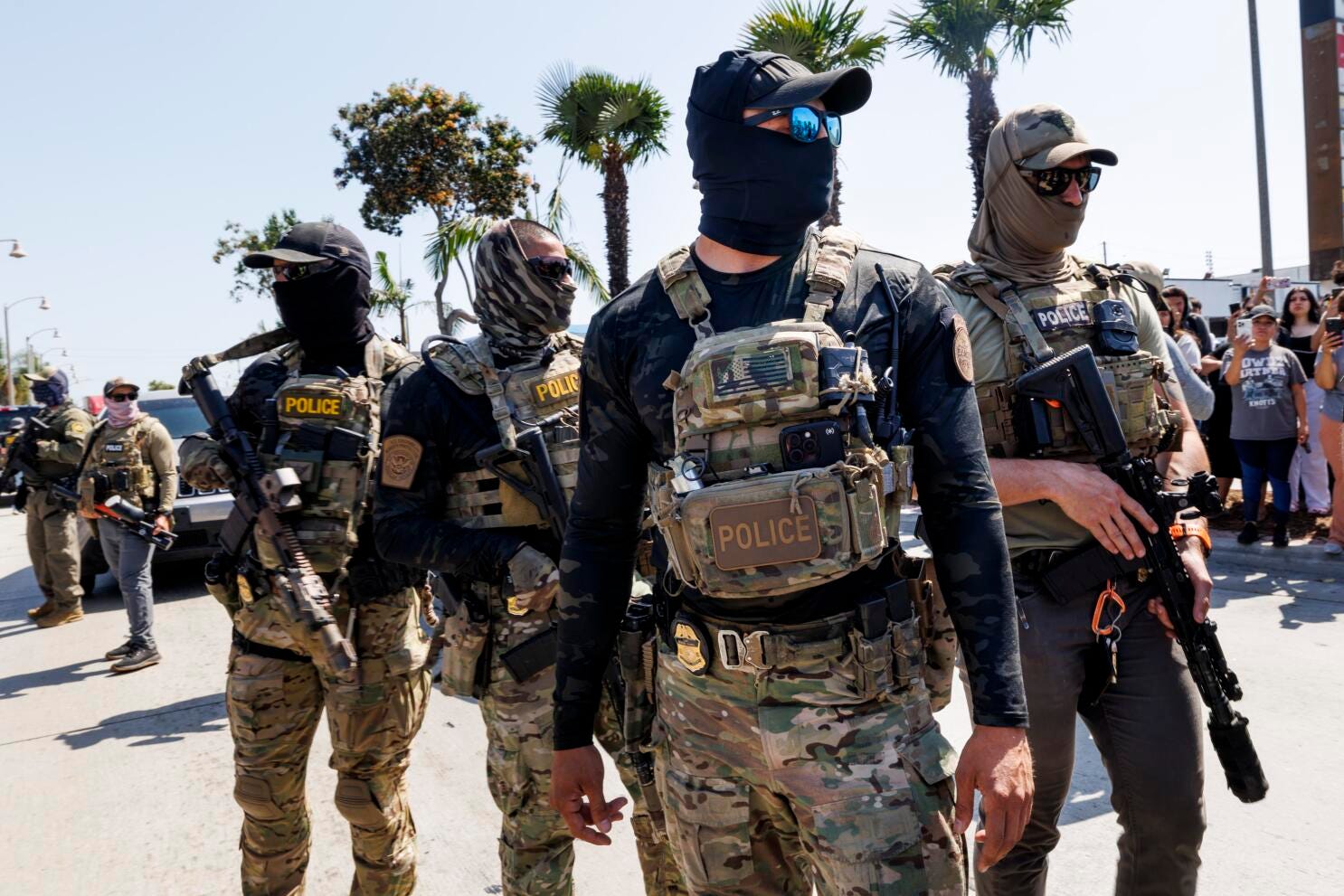
That is the real danger. When consent evaporates, pressure replaces it. And when pressure fails, history suggests, force is often asked to do the work that persuasion once did.