

In the weeks after September 11, Bill Maher lost his nightly program Politically Incorrect after remarking on the relative courage of the hijackers and the way the United States conducts war.
The comment was widely condemned, advertisers fled, and the show did not survive. Yet Maher himself did. He reemerged and, in time, became one of the more forceful voices on the American left defending offensive action abroad.
Courage, it turns out, is a word that shifts depending on who is speaking—and who bears the consequences.
Maher’s original point, stripped of its provocation, was not entirely unserious. Bravery can be observed even in causes we find abhorrent, if one separates the act from the moral judgment of the cause itself. That is an uncomfortable truth. It is also a distinction that becomes dangerous the moment it is mistaken for moral equivalence.
But there is a more relevant distinction.
Courage requires proximity to consequence.
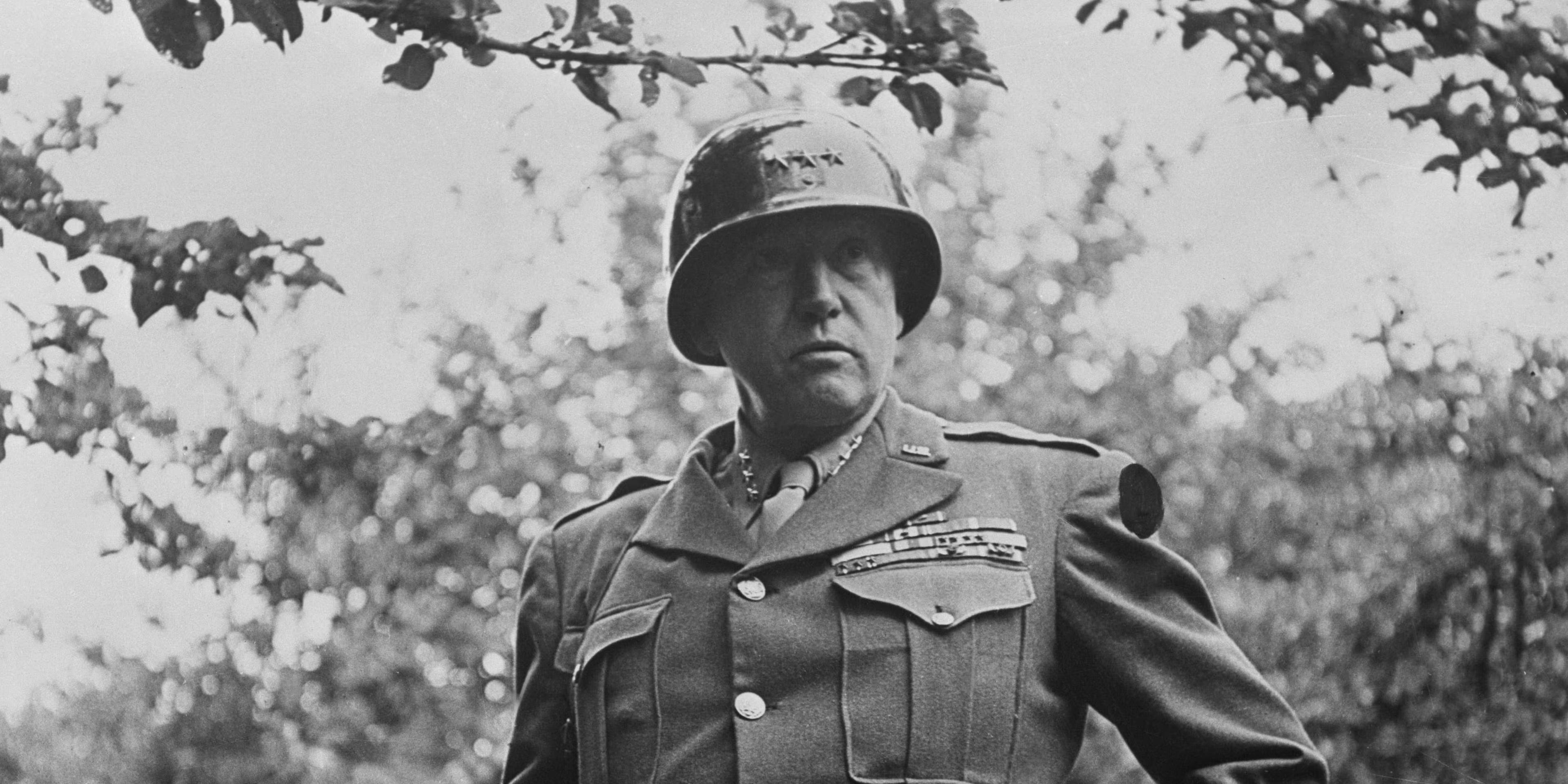
When George S. Patton drove his forces hundreds of miles north in a matter of days during the Battle of the Bulge, he did so as a man accountable for the outcome—to his soldiers, to his superiors, and to history. He may not have been in the foxhole, but he was not insulated from the result.
Political leadership today often operates differently.
When a president authorizes action in places like Venezuela or Iran and warns of potential casualties, he may describe himself as unafraid. But the relevant question is not whether he feels fear. It is whether he bears the consequences of the risks he imposes on others.
Too often, he does not.
Modern politics permits a peculiar arrangement: decisions of enormous consequence made at great remove from their human cost, accompanied by declarations of resolve that carry little personal exposure. Narratives can be shaped, supporters rallied, and outcomes defended—all without the decision-maker ever standing where the consequences fall.
That is not courage. It is performance.
Courage, properly understood, demands exposure—to loss, to failure, to judgment, and to responsibility. It is not measured by the willingness to act, but by the willingness to answer for what follows.
If the consequences do not reach you, the word begins to lose its meaning.
And when the word loses its meaning, we lose more than language—we lose the standard by which power is judged.