

All I ever wanted to be as a kid was a coach. I loved my coaches, respected them, studied them. I had some great ones. And as I grew older — as I became a fan, a player, and eventually a chronicler of high school sports — I realized these men and women were more than teachers of games. They were anchors in the community.
Ed Henry, for instance, was a kind of local deity — brilliant, handsome, a beautiful family, and a state-championship résumé that made him a figure of near-mythic stature. He even appeared in Remember the Titans. When the Rams scored a touchdown and 3,000 home fans erupted in a moment he helped create, I wanted to be part of that.
Basketball offered its own pantheon. My school hosted the regional tournament every year, and I watched history unfold from a few feet away. My coach, Bob McKeag, turned our program around and took it to state. When he won the region in front of 5,500 people at Robinson and climbed the ladder to cut down the nets, I remember thinking: Is there anything else a person could aspire to? Then came the buses, the police escort, the trip down to Richmond — the pilgrimage every kid dreams of.
Even our rivals had legends. Red Jenkins at Woodson could wave his arms in theatrical disgust at an official’s call and, with perfect timing, summon a roar from the crowd. Coaches like that didn’t just run teams. They ran the room.
But staying involved in sports through social media and podcasting has reminded me what coaching really is. It is a part-time job with full-time demands — preparation, politics, logistics, and the endless invisible work that makes those public moments possible.
The older I get, the more I realize the mythology was never false. It was simply incomplete.
After an offseason of meetings — and in some sports, offseason leagues — winter arrives, and a couple months in come tryouts. There are unhappy parents who go straight to administration. In soccer, there is cold weather, wind, and the annual ritual of coaches in parkas, the unofficial uniform of February. Early-season play is erratic as coaches figure out where the pieces belong. There are non-district games that supposedly mean nothing — except they reveal who you are.
Then the season takes shape. The games matter. The seedings matter. A regular-season title is suddenly within reach. The bus rides get lighter. The chemistry builds. Those become the memories players carry forever.
The goal celebrations grow bigger, more authentic. The decisions grow more strategic. Coaches scout, they load-manage, they even dabble in analytics. The job becomes chess played at full sprint.
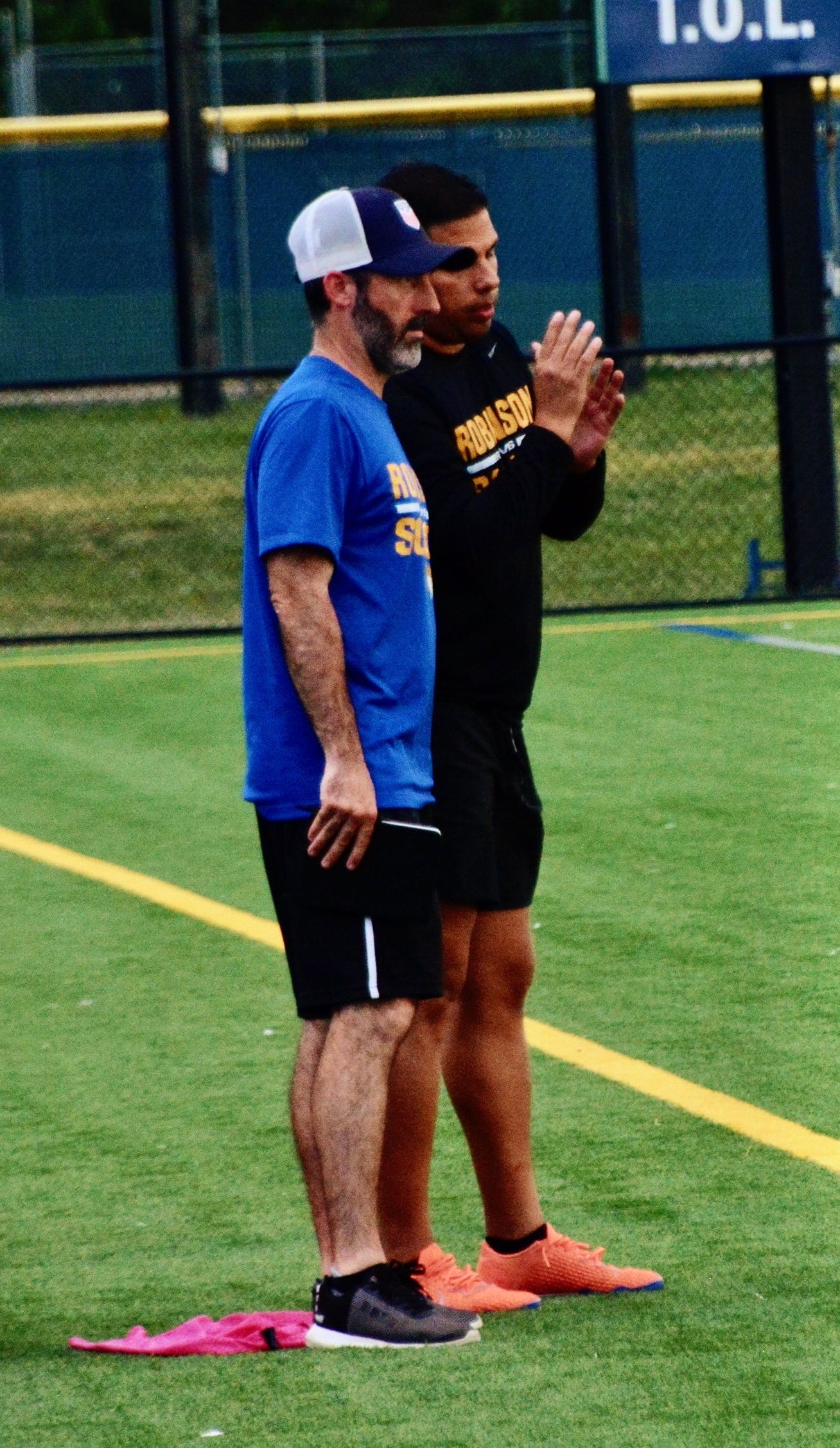
And now, as we move into the postseason in soccer, I find myself admiring coaches all over again. Seasons are ending. The teams still alive are drawing crowds. The coach becomes a local figure of consequence. People ask about the win. History is suddenly on the table. The whole region is watching. Who will win state?
We forget sometimes how hard this job is. We are often too tough on the people who coach our kids. We rarely admire their financial return on investment — because there usually isn’t one. But after thousands of games, thousands of gyms and fields and press boxes, I can say this with certainty:
I never admire a coach more than when he or she is making a postseason run.
In those moments, the coach is fully alive — carrying the weight of a community, the hopes of teenagers, and the fragile possibility that all the unseen work might, for a few weeks, become unforgettable.