

Have you ever dropped your cellphone in the toilet and ruined it? Chosen the wrong route and found yourself trapped behind a terrible accident? Said something careless to a boss or a friend that you immediately wished you could take back?
We replay those moments. We imagine the alternative decision, the better phrasing, the path not taken. Sometimes a quick apology or a clever reframing can repair the damage.
And sometimes it cannot.
Donald Trump has navigated a second term in which many actions have produced surprisingly few immediate consequences. Tariffs, pressure on allies, confrontations with the media, even the use of force domestically—each has generated controversy, yet little in the way of lasting constraint.
But the conflict with Iran may be different.
Unlike most political missteps, it does not lend itself to revision. Iran can absorb punishment while imposing costs in return—on its neighbors, on global stability, and on the world economy. Removing individual leaders may not change underlying objectives. And the remaining options, if escalation continues, carry a reality that cannot be abstracted: the potential deployment of ground forces, and the human cost that follows.
This is not a policy that can be recalibrated with a statement or softened by tone.
It is a commitment.
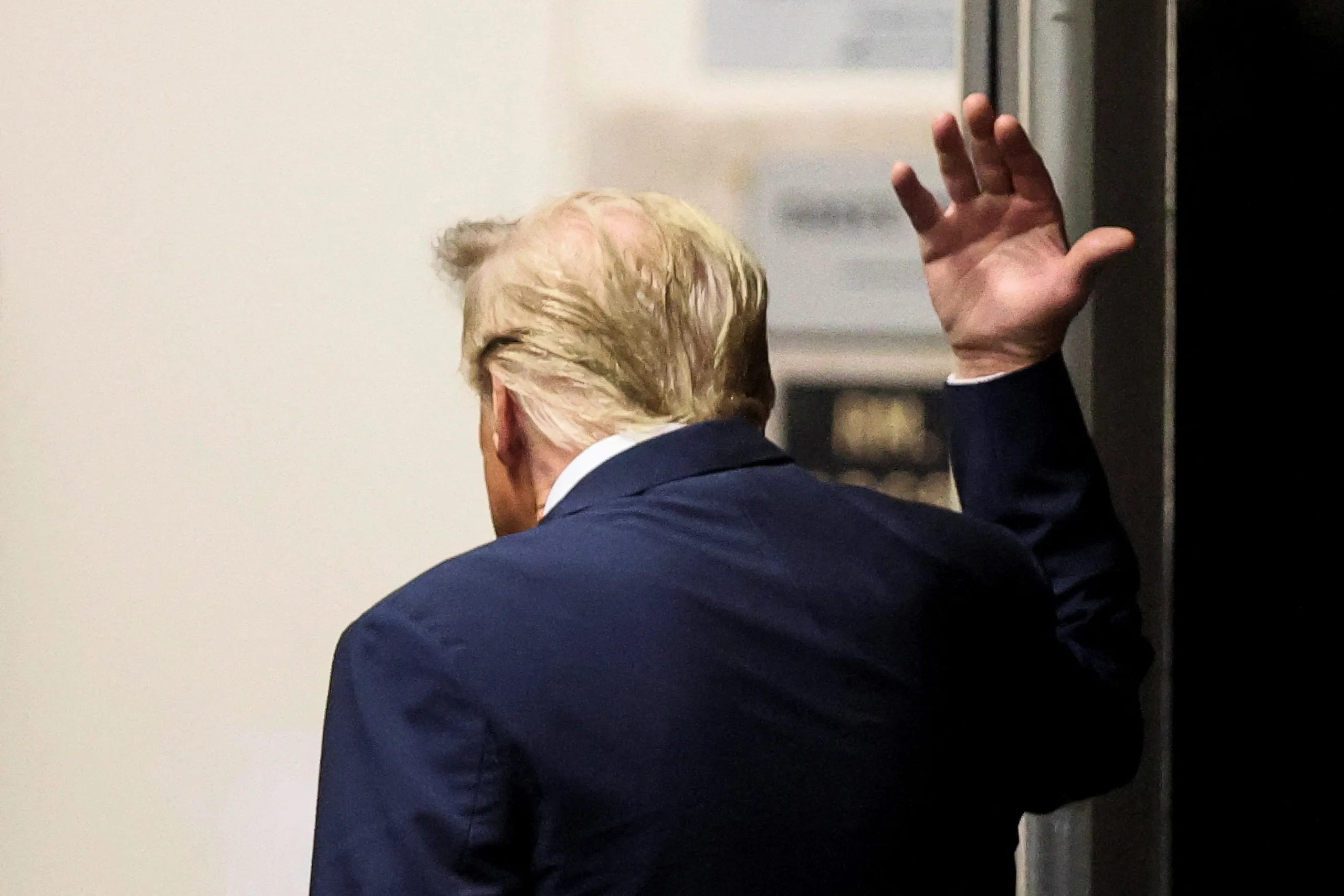
Trump has long demonstrated an ability to move past controversy—through rhetoric, deflection, or momentum. At times, it has created the impression that consequences themselves are negotiable.
But not all situations yield to persuasion.
Analysts have warned that Iran is not Iraq—a conflict that was itself far from simple. Whether those warnings were fully heard is one question. Whether they can be acted upon now is another.
There are moments in public life when the analogy to ordinary mistakes becomes instructive.
When your phone falls into water, someone will suggest placing it in a bowl of rice. It is comforting advice—simple, familiar, and almost always ineffective.
What follows instead is recognition.
The mistake has already been made.
Some decisions in politics are like that.
They cannot be explained away.
They cannot be reversed through messaging.
They can only be lived with—and paid for.
Thanks for reading! Subscribe for free to receive new posts and support my work.