

It is fair to say that Lindsey Graham was one of the most frustrating figures in American politics. In an era shaped by Trumpism, rising authoritarian impulses, and the rhetoric of Christian nationalism, Graham unsettled many precisely because we believed he knew better. He was conservative, certainly, and never met a military deployment he didn’t admire. But there was a lingering sense that he loved his country above all and believed in constitutional government and the values we claim to cherish.
He served as a JAG officer. He became the loyal lieutenant of John McCain, whose approval carried unusual moral weight with many Americans. Graham opposed Donald Trump during the 2016 Republican primaries and ultimately supported Evan McMullin. Yet once Trump prevailed, Graham gradually settled beneath the new Republican tent. After January 6, he seemed briefly prepared to step away, only to return once more as one of Trump’s most reliable allies.
We often speak of such choices as though they are simple, as though courage and calculation can always be cleanly separated. Politics is rarely so accommodating. Trumpism evolved far beyond the rhetoric that first accompanied it, and those who remained within the movement continually faced decisions about conviction, influence, and survival. Some, like Jeff Flake and Paul Ryan, chose to step aside. Graham chose to remain—not only in Washington, but at the center of events, even traveling abroad in the last few days to advocate continued support for Ukraine.
And then this weekend he died.
His passing sharpens the question that hovered over his career.
Which Lindsey Graham was the real one?
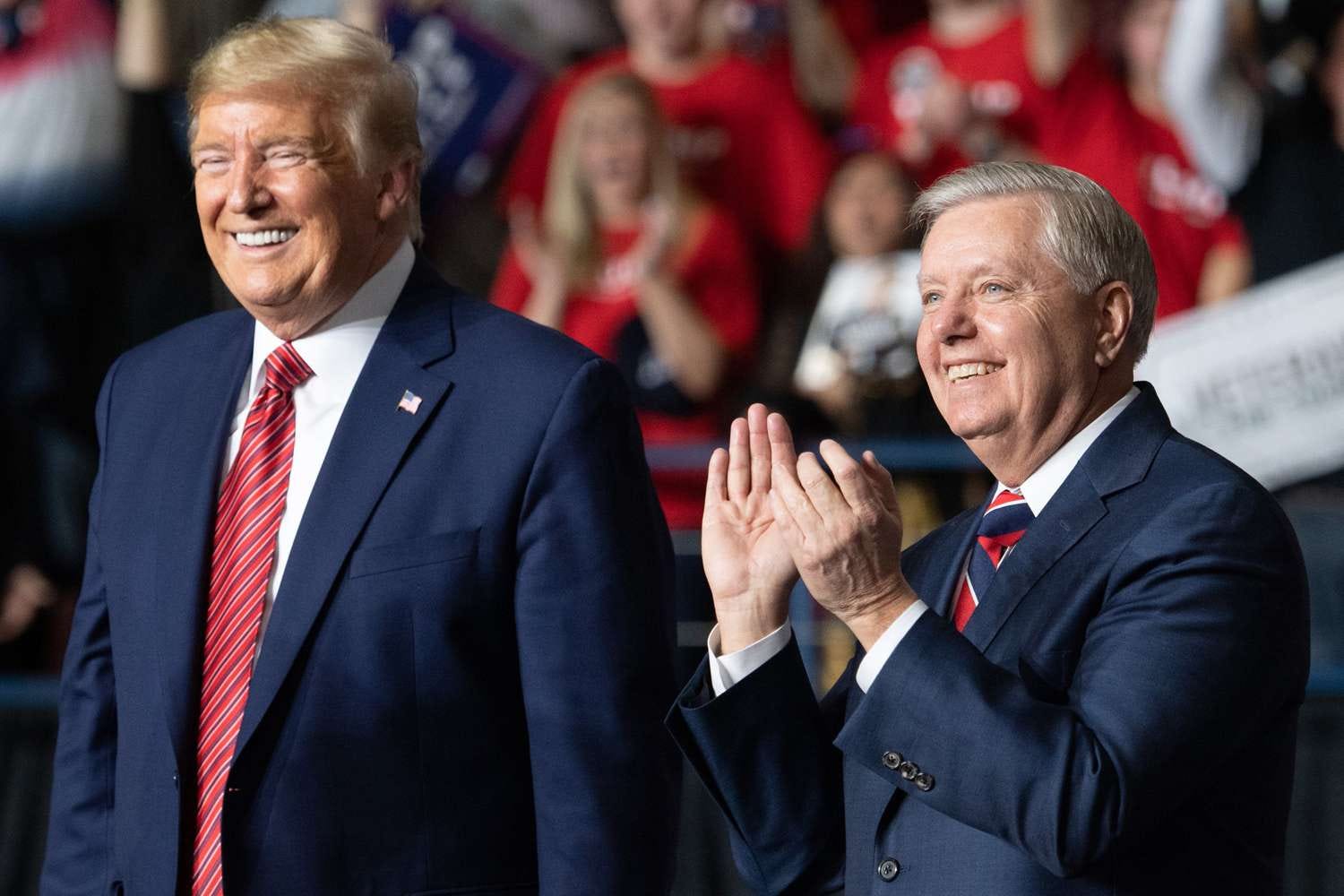
The man who stood beside John McCain, speaking the language of constitutional conservatism? Or the man who stood beside Donald Trump as the Republican Party remade itself?
Perhaps that is the wrong question.
Perhaps Graham’s career illustrates something older and more uncomfortable: the tension between principle and influence. Some politicians preserve their convictions by leaving the arena. Others remain, believing that proximity to power allows them to shape events for the better, even if doing so demands compromises they once thought impossible. History offers examples of both, and rarely judges either as cleanly as contemporaries would like.
That does not absolve Lindsey Graham of responsibility for the choices he made. But it may explain why his career has remained so difficult to understand.
He leaves the stage having answered many political questions.
He never quite answered the one about himself.
While we can never know the full extent of what goes in behind the scenes, he definitely sacrificed his values (if he had them to begin with) at the altar of power. Perhaps, being generous, he thought he could do more good making a deal with the devil than fighting him, but history will not see it that way. Neither do I. A soul signed away is corrupted, regardless of the initial intent.