

When I began writing about politics in late 2025, people often responded with a kind of gratitude that felt disproportionate to the act itself. They would thank me for “speaking out,” as though posting essays in a private Facebook group or writing anonymously on Substack constituted some notable act of courage.
In truth, whatever risk existed was carefully managed. The audience was closed, the Substack anonymous. Even so, there was a real atmosphere of apprehension beneath the surface. People worried—not always irrationally—that criticism of the administration could carry professional or social consequences, and that if the country continued drifting in a more coercive direction, the boundaries of acceptable dissent might narrow further still.
That atmosphere has changed.
Open a Facebook feed now and criticism of the administration is everywhere—often sharp, often public, and often emotionally unrestrained. The same people who once spoke cautiously now speak plainly. No one tells me I am being “brave” anymore. The language of resistance has become ordinary conversation.
Part of this is structural. Fear weakens when it is distributed. The fewer people who dissent, the more exposed each dissenter becomes. But once criticism broadens—once neighbors, coworkers, relatives, and public figures begin speaking in concert—the individual risk diminishes. Governments inclined toward coercion, whatever their ideology, depend in part on isolation: the sense that one stands alone against an overwhelming consensus. Once that illusion breaks, the atmosphere changes quickly.
But there is another reason.
Trump’s second term has displayed a far more systematic understanding of power than the first: pressure applied to institutions, rhetorical campaigns against opposing centers of authority, and the steady testing of how much strain democratic norms can absorb. Investigations of public critics, attacks on media figures such as Jimmy Kimmel, Stephen Colbert, and Jim Acosta, threats directed toward political opponents—whether coordinated or instinctive, the effect is similar. Dissent begins to feel exhausting, risky, or socially costly.
And yet even governments inclined toward concentrated power require a foundation of consent. Popular support need not be universal, but it must remain broad enough that institutions continue cooperating, elites continue accommodating, and ordinary people continue calculating that silence is the safer course.
That foundation appears weaker now than it once did.
It is difficult to identify a single moment when this shift occurred. The change felt gradual, then suddenly obvious. For many, the events surrounding Minnesota marked something like a turning point—not necessarily because they were unprecedented, but because they clarified the direction of travel. What had previously been abstract or hypothetical became concrete, and the costs of silence began to feel less certain than the costs of speaking.
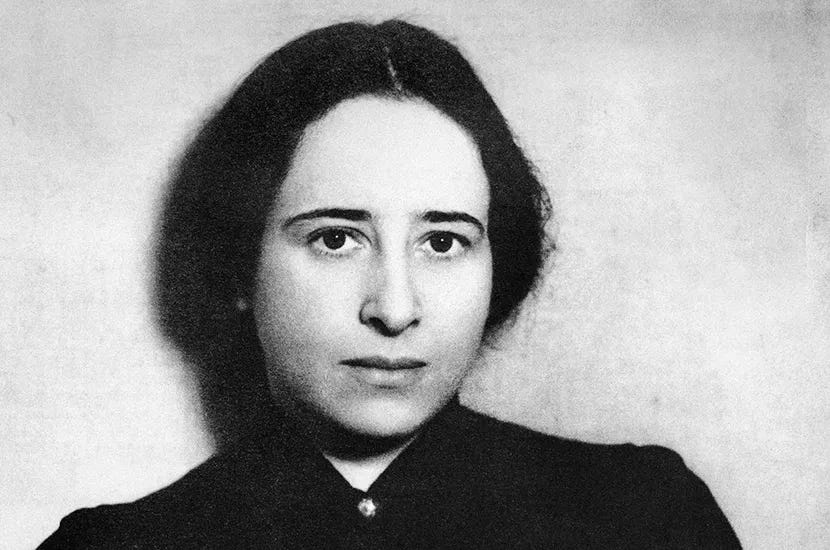
The administration may still possess significant advantages: media ecosystems loyal to it, a polarized electorate, institutional allies, and a legal strategy willing to test old limits. But fear, once broken collectively, is difficult to fully restore. As Hannah Arendt observed, authoritarian systems rely not merely on force, but on atomization—the erosion of trust between individuals until public life itself becomes paralyzed. The moment people begin speaking openly again, that paralysis weakens.
This does not guarantee any particular political outcome. Democracies can still falter. Institutions can still bend. Rights assumed permanent can still erode gradually.
But there is a meaningful difference between a society that whispers and one that argues in public.
Perhaps that is what has changed most in recent months. Not that Americans have become especially heroic, but that many have ceased feeling alone.
And once enough people abandon the habit of silence, courage ceases to feel exceptional at all.