

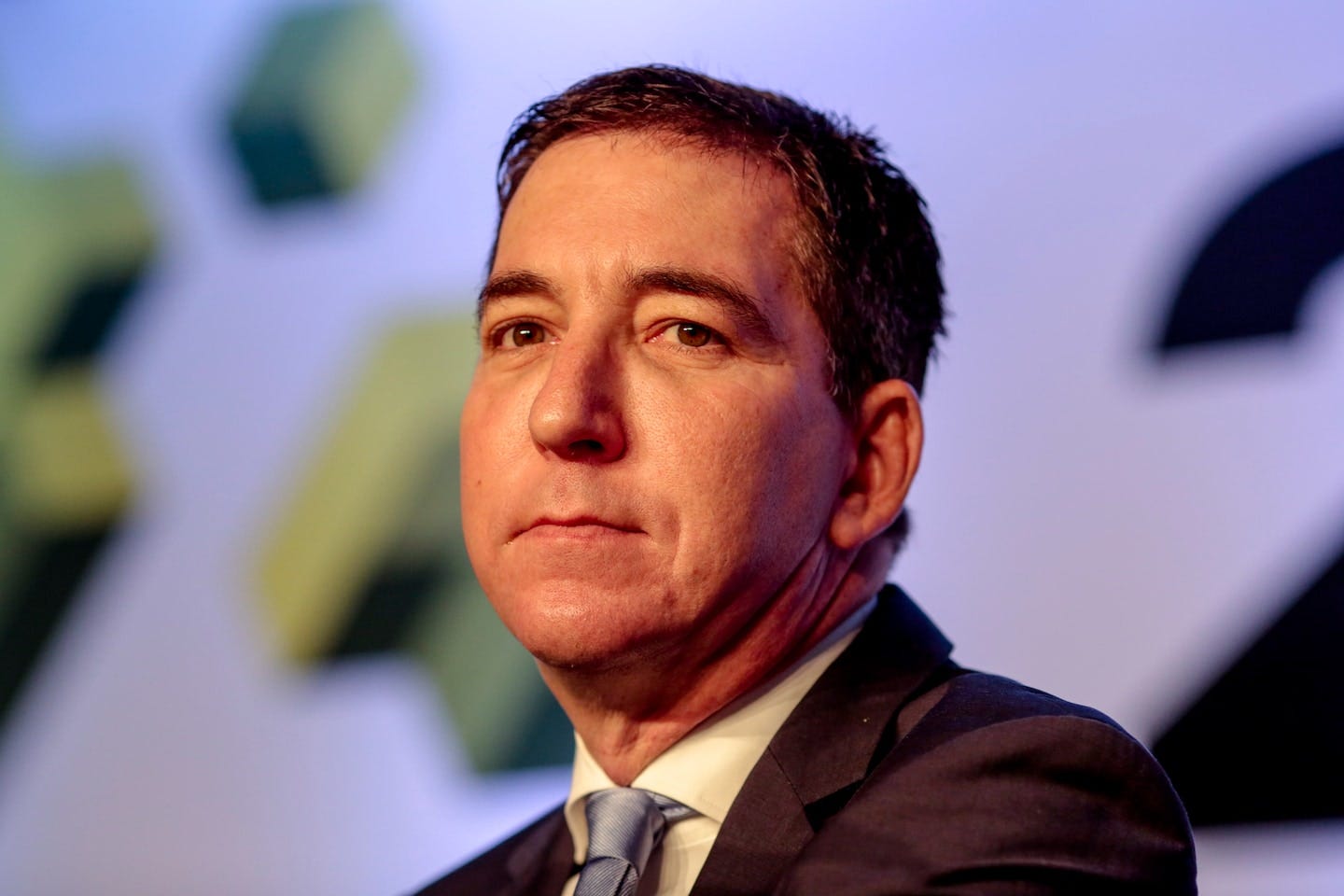
There is a small but influential cadre of self-described liberal thinkers whom conservatives adore—and whom most liberals don’t quite know how to place. Glenn Greenwald, Matt Taibbi, and Chris Hedges are smart, literate, and widely read, especially in the shadowlands of Substack and YouTube.
They offer something irresistible to a certain audience: a way to blame liberals for Donald Trump without lingering too long on Donald Trump himself.
By turning my attention to them, I risk committing the same error they do—shifting the spotlight from Trump and his supporters to his critics. But the pattern is worth examining.
When Trump threatens institutions, arrests migrants, undermines alliances, or wages tariff wars, the criticism from this group rarely settles on him for long. Instead, it pivots. The real problem, we’re told, is liberal hypocrisy: why weren’t we angrier when our presidents did bad things?
Then the critique widens. Progressives themselves become the villains—too sanctimonious, too compromised, too blind to America’s long record of wrongdoing. Eventually, responsibility dissolves into inevitability. America has always been this way. Trump becomes less an actor than a symptom, sometimes barely mentioned at all.
This rhetorical move is clever, even seductive. It flatters the listener by offering moral superiority without obligation. You need not defend Trump; you simply need to distrust everyone else. You need not vote; you need only avoid hypocrisy.
The result is a politics of immaculate disillusionment—pure in its critique, sterile in its consequences.
I do not fully understand the draw but I understand the effect. At the margins, it deadens democratic participation. Many who absorb this worldview will not vote for Trump, but they will find reasons not to vote at all—especially if doing so might implicate them in the sins of American history or the compromises of liberal governance.
That abstention, however principled it feels, has predictable beneficiaries.
None of this is to deny that liberals, institutions, and America itself deserve criticism. They do. But democratic life has always required choosing among imperfect options, not congratulating ourselves for refusing to choose at all.
Criticism that never quite arrives at responsibility is not radical; it is inert.
It is therefore no accident that social media feeds are thick with conservative and MAGA accounts enthusiastically circulating these critiques. They cost nothing to endorse and accomplish a great deal. You don’t have to persuade your opponent if you can simply convince him that participation itself is corrupt.
There is a difference between skepticism and surrender. One sharpens democracy. The other quietly opts out of it.
The task, then, is not to silence these voices, nor to anathematize them, but to recognize the trade they offer: moral clarity without consequence. That feels bracing in the moment.
It does very little when power is actually being exercised.
And at some point, seriousness requires not just diagnosis, but choice.