

In ordinary life, when we take a job, we accept the conditions that come with it. We do not spend our first months blaming the person we replaced. If I become a high-school principal, no one wants to hear indefinitely that the school’s problems are the prior principal’s fault.
Leadership begins the day you take the job.
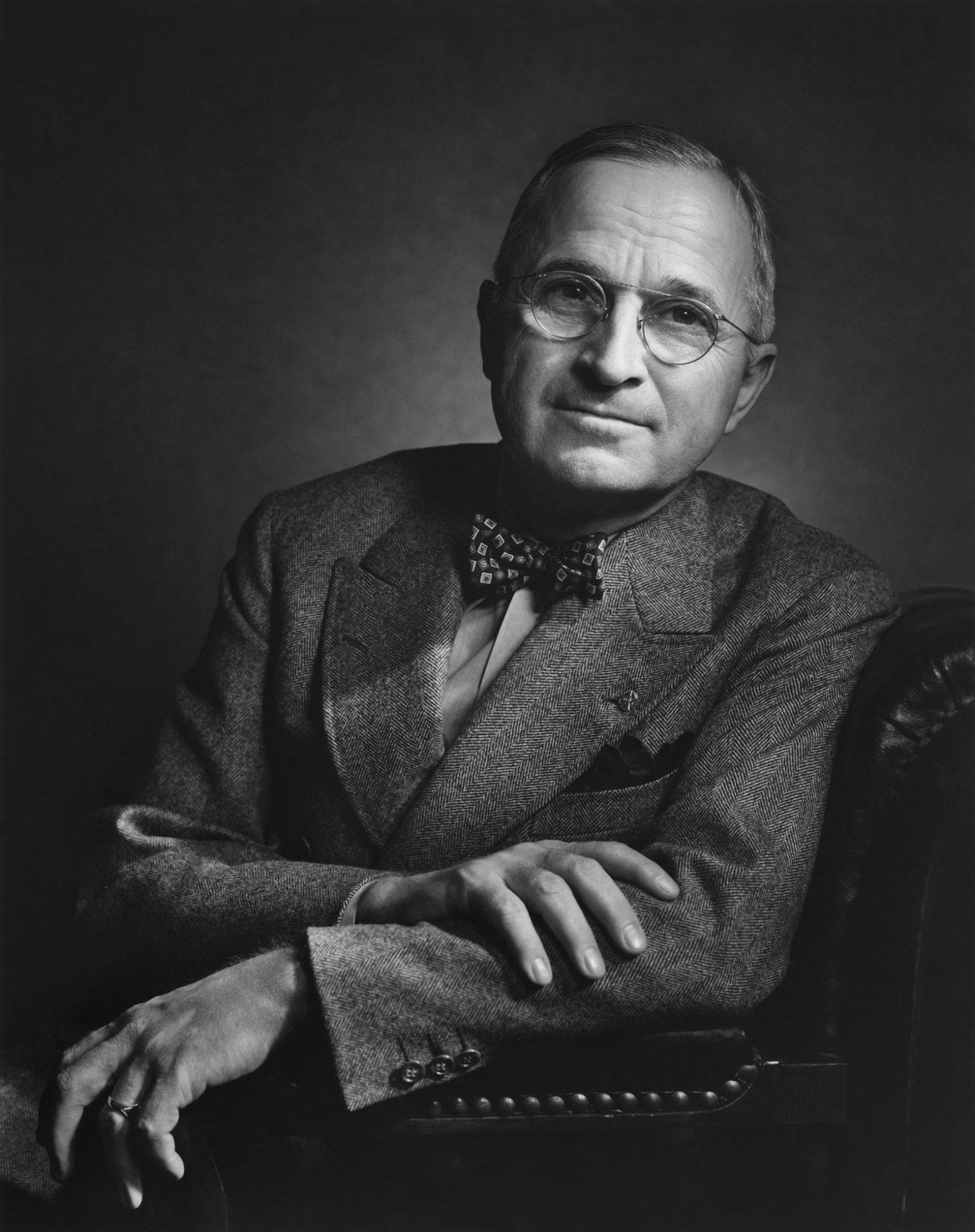
As Harry Truman famously put it, the buck stops here — not somewhere down the hall.
This administration has developed a habit of blaming the Biden administration for nearly everything. Some of this is politics. Every president reminds us of the mess he inherited, particularly when things are going badly.
But inheritance is an explanation, not permanent immunity.
Every president inherits something. Biden inherited a pandemic economy. Trump inherited the economy Biden left behind. Neither man arrived on Inauguration Day with a blank sheet of paper.
That is why simply attaching a president’s name to an economic statistic tells us remarkably little.
Results matter. But results have causes.
Inflation during the Biden years is a good example. The pandemic shut down production around the world. Factories curtailed output. Supply chains broke down. Workers disappeared from parts of the labor force. Then economies reopened, and demand returned faster than production could always respond. Inflation rose throughout much of the world. American fiscal policy added demand of its own.
Sorting out how much each factor contributed is considerably more difficult than putting Biden’s name next to an inflation number.
The same standard should apply now.
If inflation is rising while the government is imposing tariffs and aggressively disrupting parts of the low-wage labor force, those policies belong in the analysis. Tariffs increase the cost of imported goods and materials. Removing workers — or frightening authorized workers away from jobs — can create labor shortages and increase costs in industries that depend upon them.
There is no reason to pretend those policies disappear when the inflation report arrives.
The same is true of oil.
You cannot simply compare today’s gasoline price with Biden’s and declare victory or defeat. You have to ask what is driving the price. Today that includes a war with Iran and extraordinary disruption through the Strait of Hormuz, one of the most important energy corridors in the world.
Those are not Biden policies.
They are conditions confronting the current administration, including consequences of decisions made during the current administration.
That does not mean every increase in the price of gasoline belongs personally to Donald Trump any more than every increase in the price of groceries belonged personally to Joe Biden. Presidents do not control the world economy. Oil producers make decisions. Central banks change interest rates. Supply chains fail. Businesses raise and lower prices. Consumers change their behavior.
But presidents do make policy.
They impose tariffs. They decide how immigration laws will be enforced.
And sometimes they decide to go to war.
And if we want to understand what is happening, that is where the analysis has to begin.
What did the administration inherit?
What did it change?
What happened afterward?
And how much of what happened can reasonably be connected to those choices?
That is a considerably more demanding exercise than announcing that every favorable statistic demonstrates the brilliance of the current president while every unfavorable one remains the responsibility of the last.
Biden was hardly perfect, and his policies deserve scrutiny. So do Trump’s.
That is the point.
The Biden blame has become a reflex — a substitute for analysis rather than a component of it. The economy Trump inherited matters. So does the world he inherited. But as months become years, the policies of the current administration increasingly become part of the explanation for the country we are living in.
Harry Truman understood something about leadership that was considerably simpler than economics.
You inherit the desk.
You inherit the problems.
Eventually, you inherit responsibility for what you do about them.
The buck cannot stop everywhere else.
Eventually, it has to stop here.