

Italy has the unusual distinction of having been aligned with Germany and Austria-Hungary before World War I, fighting against them during it, and then joining Germany again in World War II.
But Italy had never been firmly attached to either side when the First World War began. In late 1914 and early 1915, there was genuine uncertainty about which side Italy should join — or whether it should join at all.
The war had already turned brutal.
If you do not truly have a side, perhaps you should not be fighting.
Italy had not been a unified nation for very long. The kingdoms and states that had been assembled into Italy shared a peninsula and a distant Roman heritage, but the new nation remained deeply regional and overwhelmingly rural. Despite a population of roughly 35 million, Italy lagged the great European powers in infrastructure, industry and, especially, military strength.
Why do nations go to war?
After the world wars, we like to imagine motives rooted in security, self-determination, the defense of allies or the prevention of atrocities. Sometimes war is bound to treaty obligations, as with NATO. Earlier eras fought more openly for glory, expansion or national destiny — impulses we hope have receded.
But Italy in 1915 was looking for a deal.
Italy, Germany and Austria-Hungary were nominally bound by the Triple Alliance, but it was defensive in character, and Italy argued that Austria-Hungary’s attack on Serbia did not oblige it to enter the war. Rome initially remained neutral and began exploring what that neutrality — or eventual participation — might be worth.
Italy had longstanding territorial disputes with Austria-Hungary, which controlled lands along and beyond the Italian frontier that Italian nationalists claimed for Italy. Austria-Hungary eventually offered concessions in an effort to preserve Italian neutrality.
But the Allies offered more.
Under the secret Treaty of London, Britain, France and Russia promised Italy substantial territorial gains if it entered the war on their side: Trentino, South Tyrol, Trieste, Istria and additional territory along the Adriatic. Britain also promised financial assistance. Italy had once contemplated war with France over borders and colonial interests. Now the Allies were offering Italy an opportunity to fight beside France instead.
It was, on paper, an excellent offer.
Italy accepted.
The scoreboard shows Italy on the winning side.
The ledger is more complicated.
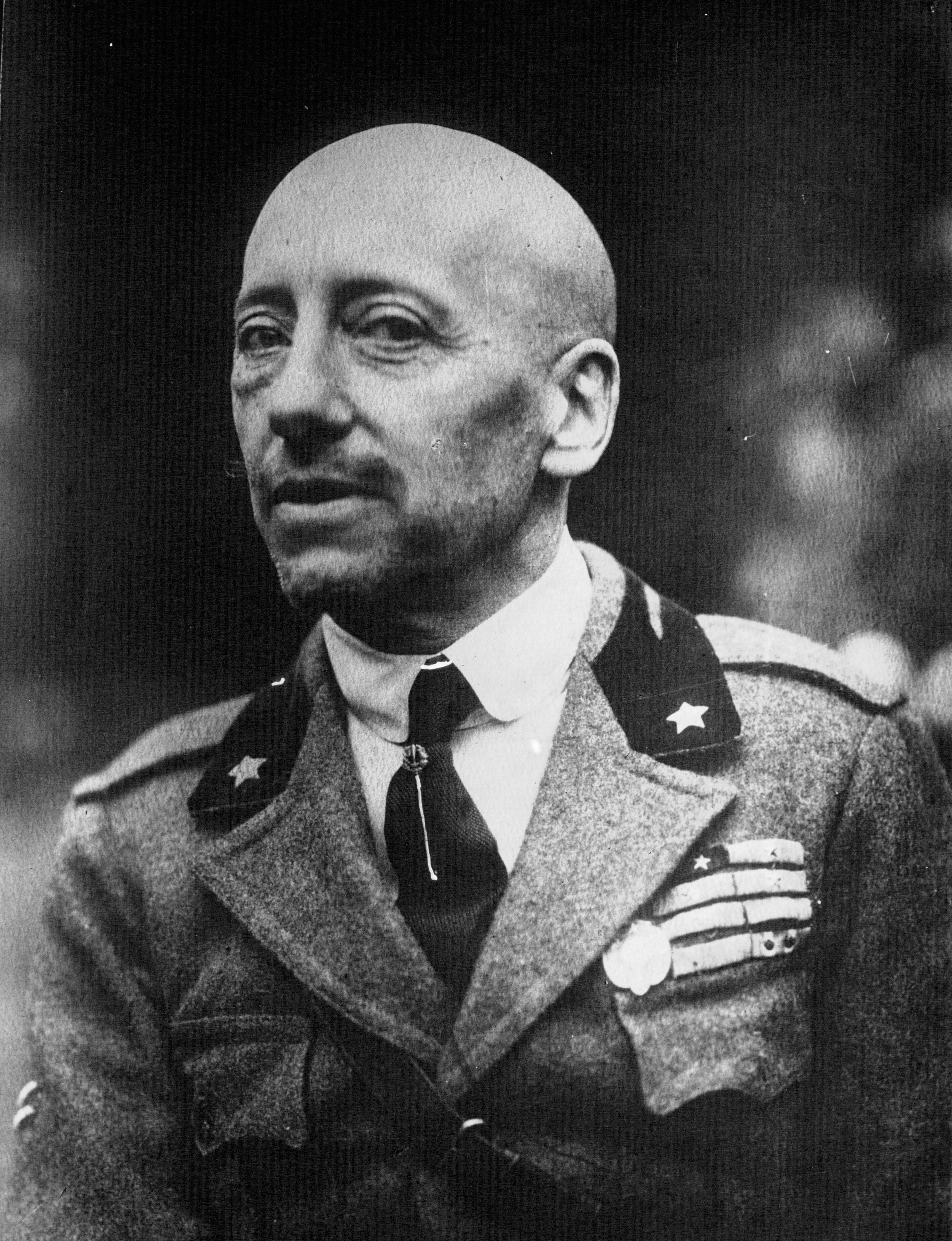
Italy paid for the bargain with hundreds of thousands of dead, vastly more wounded, an enormous financial burden and a society profoundly destabilized by war. The intervention itself had never commanded anything approaching universal enthusiasm. Nationalists such as the poet Gabriele D’Annunzio helped stir the country toward war, but large portions of the population — particularly in rural Italy — had favored neutrality.
And victory did not produce satisfaction.
Nationalists complained of a “mutilated victory,” arguing that Italy had not received everything it believed it had been promised. D’Annunzio himself later seized Fiume, providing one of the strange bridges between the nationalism of the First World War and the political culture that followed it. Postwar economic dislocation, political violence and nationalist resentment all contributed to the conditions in which Mussolini and Fascism rose.
Italy had entered a war without anything resembling national agreement about why it should be fighting one.
It had, however, made a deal.
And that may be the more interesting lesson.
Nations make deals constantly. They trade, compromise, bargain and maneuver. Diplomacy depends upon it. A country that refuses to negotiate is unlikely to remain either prosperous or peaceful for very long.
But war is different.
A government contemplating war is not merely negotiating tariffs, borders or access to markets. It is asking citizens to kill people they have never met and accepting that some of those citizens will themselves be killed. It is risking treasure, social stability and consequences that may continue long after the people who made the decision have left office.
The offer can therefore be attractive and still not answer the essential question.
Why are we fighting?
Italy had made a deal.
What it never quite established was a reason.
There is a difference.
Perhaps war — if it must be waged — requires something more than a favorable bargain.
It requires a reason that remains persuasive after the bill arrives.