

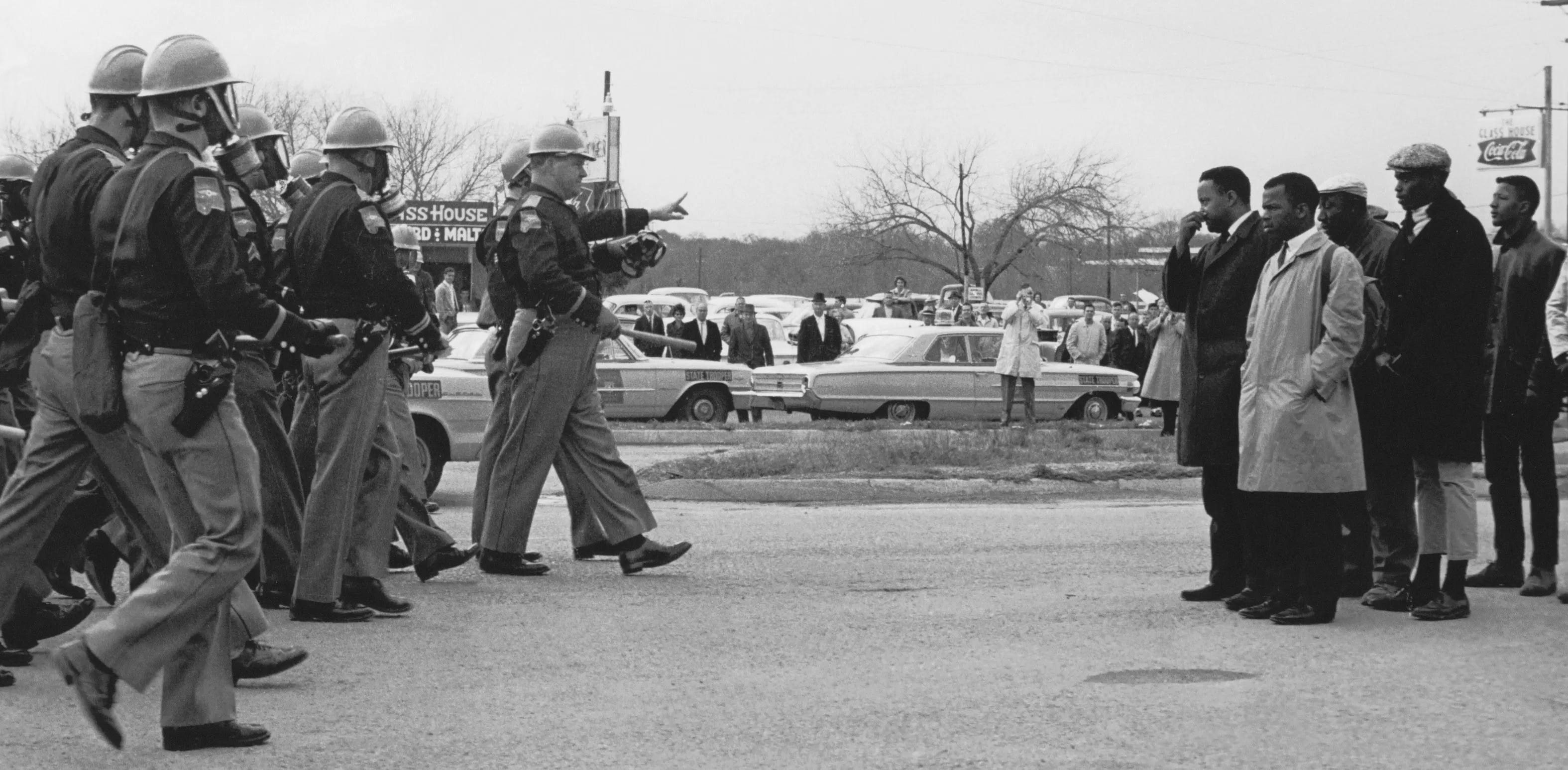
As federal enforcement actions intensify across parts of the country, civic leaders have urged Americans not to “take the bait.” The phrase usually means this: do not respond to state power with unlawful or violent resistance, because doing so only invites escalation — more force, broader crackdowns, and fewer restraints.
On its face, that advice makes sense. History is full of examples where disorder provided the pretext for repression. A government eager to consolidate power rarely needs much encouragement.
But there is a danger in focusing too narrowly on response. It risks obscuring the more important question: what provoked the response in the first place?
When violence is exercised by authority — especially when accountability feels distant or uncertain — public anger is not an accident. It is the predictable outcome of power applied without visible restraint. Asking the public to remain calm without addressing that imbalance can feel less like wisdom and more like deflection.
There is also something faintly condescending in lecturing citizens too harshly about composure while discussing the actions of the federal government — an institution that works for us, not the other way around. Democratic maturity does not mean emotional silence; it means insisting that those who wield authority do so with discipline, restraint, and justification.
In recent months, enforcement actions have grown more aggressive while public resistance has remained relatively muted. Compared to earlier periods of protest, the quiet is striking. It is not that people are unaware; it is that many seem unsure whether protest still works — or whether it merely accelerates the machinery turned against them.
That hesitation is understandable. But it carries its own cost.
When leaders emphasize restraint without equal emphasis on accountability, responsibility subtly shifts from the powerful to the powerless. The question becomes not why authority acted this way, but why citizens reacted at all. That inversion may be tactically clever, but morally it is backwards.
None of this is an argument for violence. It is an argument against paralysis.
Nonviolent protest has never meant passivity. At its best, it is disciplined, visible, and relentless — a refusal to normalize what should trouble us. It insists that authority answer for its actions, not someday, but now. Without that pressure, appeals to process and future elections begin to sound like delay rather than remedy.
So yes, we should reject chaos. But we should also reject silence masquerading as prudence.
A society does not decay only when it erupts, but when it grows accustomed — when force becomes routine, and objection is treated as the real disruption. The task is not to “take the bait,” but neither is it to swallow it whole.
Democracy does not survive on restraint alone.
It survives on accountability, courage, and the refusal to look away.