

Listening to my weekly podcast rotation last week, two of my favorites fell into the same familiar trap — one that moderate and liberal media fall into far too often, and one that ultimately serves neither listeners nor democracy very well.
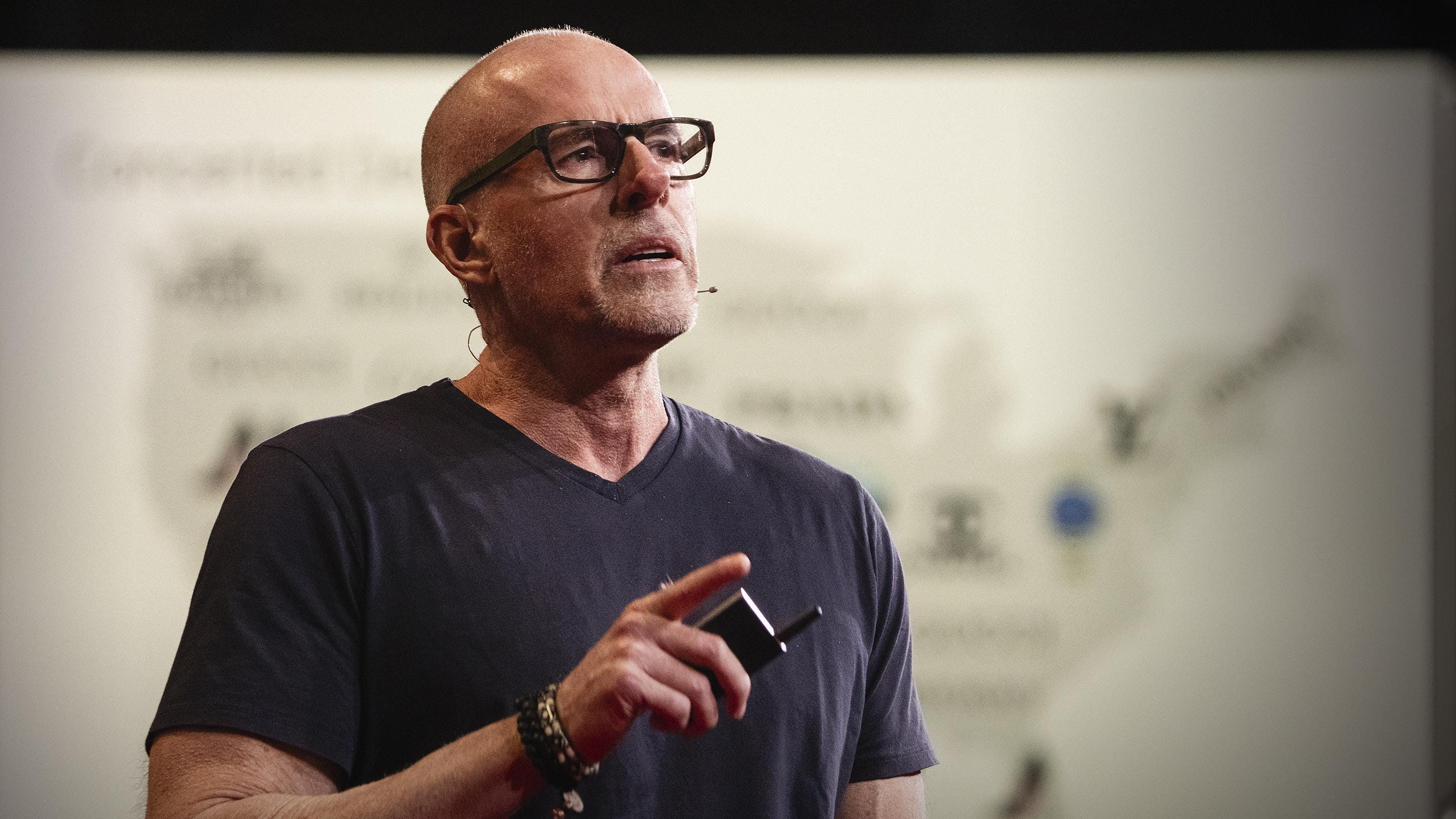
On Pivot, Scott Galloway repeatedly returned to the question of what “the Democrats” were or weren’t doing in Minnesota. Kara Swisher patiently explained, more than once, exactly what many Democratic leaders have been doing. She then made the more important point: it is worth focusing first on what those currently in power are doing. Galloway wouldn’t let it go, and the conversation spent the bulk of its time circling intra-party critique rather than interrogating federal action on the ground.
Across the Atlantic, James O’Brien opened a segment on government violence in Minnesota by reminding listeners that Barack Obama deported millions of immigrants. Full stop. No discussion of whether asylum rules were followed, whether due process was honored, or why such enforcement is occurring in a northern American city far from any porous border. The interview that followed — with Emily Maitlis — was excellent. The framing that preceded it was not.
What’s striking is that you rarely see this instinct from conservative media. When they discuss Hunter Biden, they don’t pause to remind audiences that Jared Kushner received massive Saudi backing. When corruption allegations arise in Minnesota, they don’t frame the issue by noting Trump’s own record of self-dealing while in office. They understand that doing so would be a distraction, not illumination.
No one is asking liberal or moderate media to imitate conservative outlets by ignoring inconvenient facts. Context matters. History matters. But there is a difference between providing context and using context to avoid analysis. When we reach reflexively for “both sides” framing, we often end up obscuring the very questions that most need answering.
Listeners deserve clarity, not performative balance. Democracy is better served when journalism focuses squarely on the actions, decisions, and consequences unfolding in the present — and lets legitimate opinion form from there.