

Military force can destroy an enemy. It cannot, by itself, create order — and the distinction, though often acknowledged, is rarely respected for long.
The question raised by American strikes against Iran is therefore not merely strategic but political: what persuades other nations that power is preserving stability rather than asserting preference? Military actions are always explained in the language of deterrence and necessity. Beneath that language lies a deeper problem — who decides when force protects order and when it unsettles it.
Modern international politics rests on a difficult premise: stability requires limiting the most destructive weapons and discouraging aggression. Yet the premise carries an uncomfortable implication. It assumes some nations can be trusted with power in ways others cannot. The problem, however, is not the existence of unequal power — history has never known equality of power — but whether the standards governing its use appear consistent rather than discretionary.
For much of the twentieth century the United States possessed unusual credibility. Victory in world war, the Marshall Plan, and the long discipline of the Cold War created a widely shared expectation that American behavior would remain broadly recognizable across administrations and crises. Countries did not cooperate because they admired the United States. Nations rarely admire the powerful. They cooperated because they believed they understood it.
An informal bargain followed. American allies reduced military risk and domestic anxiety because they assumed the United States would absorb disproportionate responsibility for security. Western Europe could devote resources to reconstruction and integration partly because it believed American power would remain stabilizing and restrained. Influence flowed from protection; leadership required less compulsion when it was trusted.
But such an arrangement cannot depend on permanent virtue. Governments change. Domestic politics shifts. Even prudent leaders misjudge events. International stability therefore cannot rest on confidence in particular leaders; it must rest on confidence that power will operate within recognizable limits even when inconvenient to those who possess it.
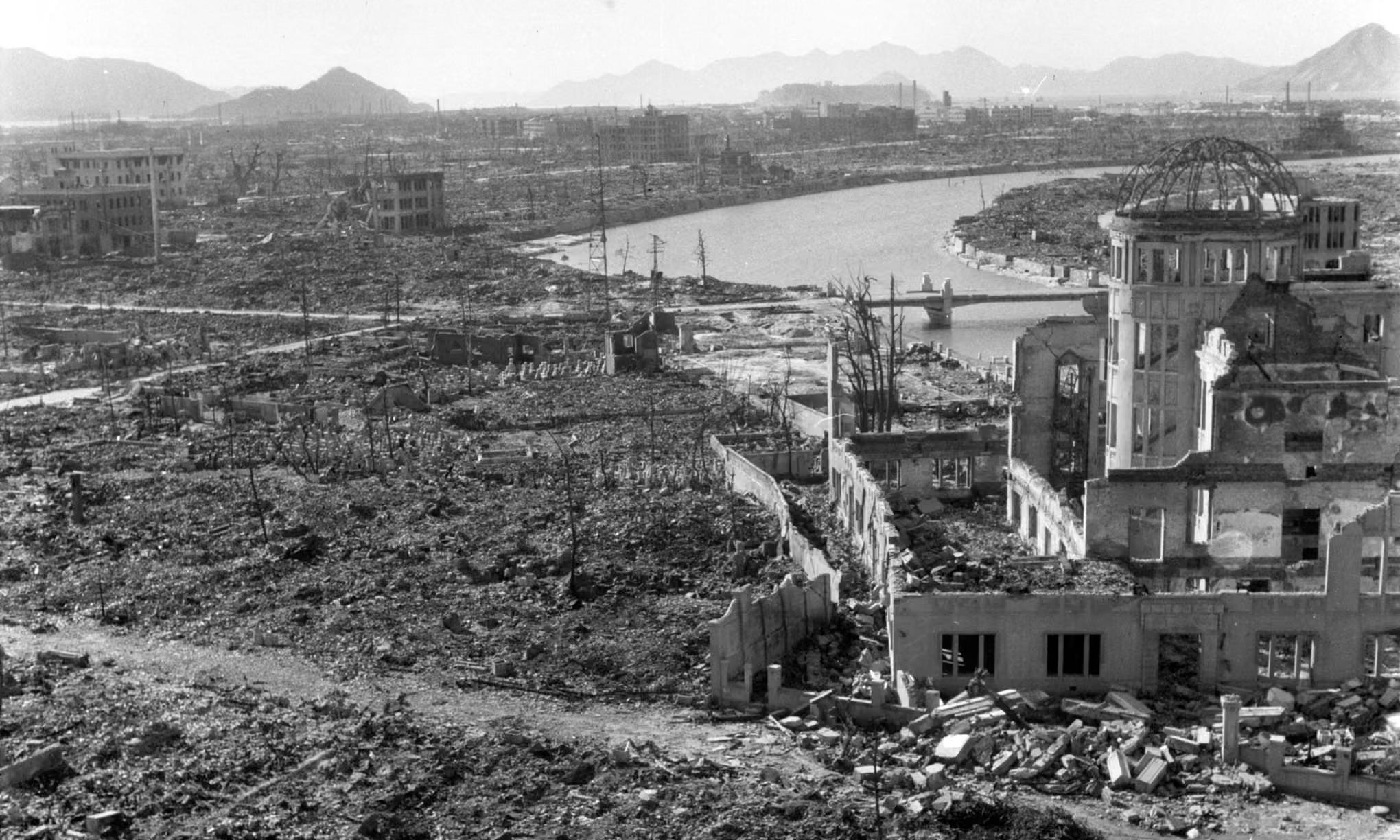
Order weakens when restraint appears discretionary. The United States remains the only country to have used nuclear weapons in war, yet it became the chief advocate of preventing their spread. Some states are tolerated near the nuclear threshold while others are denied it entirely. These distinctions may be morally defensible. They become politically unstable when they appear to depend on judgment rather than rule.
A system that asks nations to accept unequal power can endure; history is full of such arrangements. A system that asks them to accept unequal rules cannot. States do not experience such a system as law. They experience it as exposure.
Ukraine surrendered its nuclear arsenal in exchange for security assurances. When guarantees appear contingent, states draw conclusions — quietly and rationally. Nonproliferation rests less on treaties than on whether commitments seem to bind the powerful as well as the weak. A government that doubts protection does not issue philosophical protests; it seeks insurance. In the modern world, insurance means deterrence.
Deterrence depends on expectations that survive elections, crises, and leadership changes. Force cannot be removed from international life, and at times inaction invites greater violence. But its legitimacy depends on whether it is understood as defense rather than license. Necessary power is tolerated. Unpredictable power is feared.
Military success can remove an immediate threat. It cannot create lasting security. Security rests not only on capabilities but on expectations — whether nations believe the strongest state will restrain itself even when it has the ability not to.
The alternative is a world governed by necessity alone, where each nation relies on its own protection because it trusts no external guarantee. In such a system, armament becomes prudence. Proliferation becomes logic. And crisis becomes only a matter of time.
Restraint, therefore, is not idealism but strategy. The postwar order functioned not because one country was permanently virtuous, but because others believed its power was predictably limited. In a nuclear age, legitimacy is a form of security. Nations are safest not when one power can act without limit, but when others trust they do not need weapons that make limits irrelevant.