

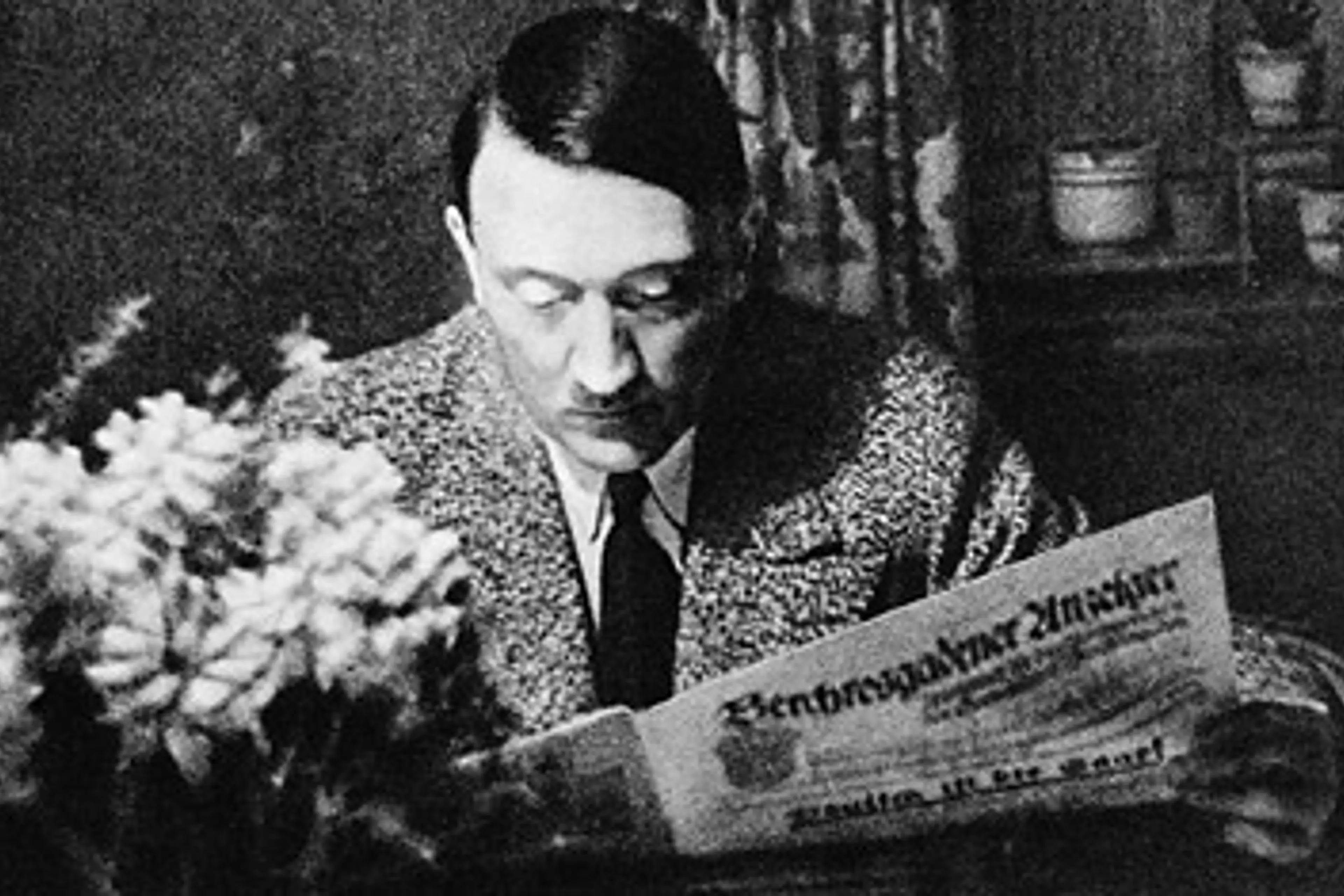
We have all seen the films: a Jewish passenger in disguise on a train, the Gestapo moving car to car, checking papers, studying faces, searching for anyone who does not belong. The tension comes from the uncertainty — the hope that the officer will not reach you, or that your papers and demeanor will persuade him to move on.
We tell ourselves this is not America. We do not have extermination camps, though we have built detention facilities that raise troubling questions. Germans in the 1930s could claim they did not know what the camps truly were. But the SS and Gestapo did not wear masks. In the United States, federal agents often can — and anonymity is becoming a feature of enforcement rather than an accident.
Watching those films, we never imagine such scenes unfolding here. Yet today, agents can ask for papers. If they believe you may be undocumented, you can be detained and taken to a facility. Even the Supreme Court has permitted officers to make assumptions based on appearance. Justice Brett Kavanaugh once objected strongly to assumptions made about him during testimony. The principle seems not to have endured.
Some people support the president because their stock holdings or connections benefit from his policies. Others may simply not know. But those who do know — and still support him — have accepted a world in which “papers, please” is an acceptable norm. Lawbreaking cannot be the decisive issue; the president has pardoned many who broke the law.
The deeper danger is the inversion of presumption. In a free country, the assumption should rest with the person being questioned — that they belong, that they are protected, that the burden lies with the state. Here, the assumption rests with the accuser, who may not even identify himself. When power becomes anonymous, and when its use becomes routine, the public’s moral reflex begins to dull.