

We stand on the eve of a World Cup, and I remain astonished that it is still going forward. Eight months ago, I predicted a boycott — and that was before the escalation in Venezuela and the war in Iran, two military ventures undertaken without international sanction and, many argue, without proper domestic process. We have not only turned hostile toward foreigners; we have turned hostile toward Americans who dissent. Detention centers operate with limited access for journalists and members of Congress. Masked federal agents patrol our own streets. And now, with the conflict in Iran grinding into stalemate, the tournament proceeds as if the world has not shifted beneath it.
And yet people are still coming. Players are still coming. Officials are still coming.
If they can.
We are hassling visiting teams over visas. Searching players at the point of entry. A top African official cannot enter the country. Meanwhile, Mexico and Canada are hosting welcoming events for travelers headed to their matches — a contrast that speaks for itself.
Still, they come. We rightly barred Russia from international competition after the invasion of Ukraine, but for the United States, the world seems prepared to suspend its outrage. Even when we tell our guests they must leave the country immediately after their matches, they come. The hotels are empty, the flights are down, the promised economic windfall has evaporated — but the games, somehow, are on.
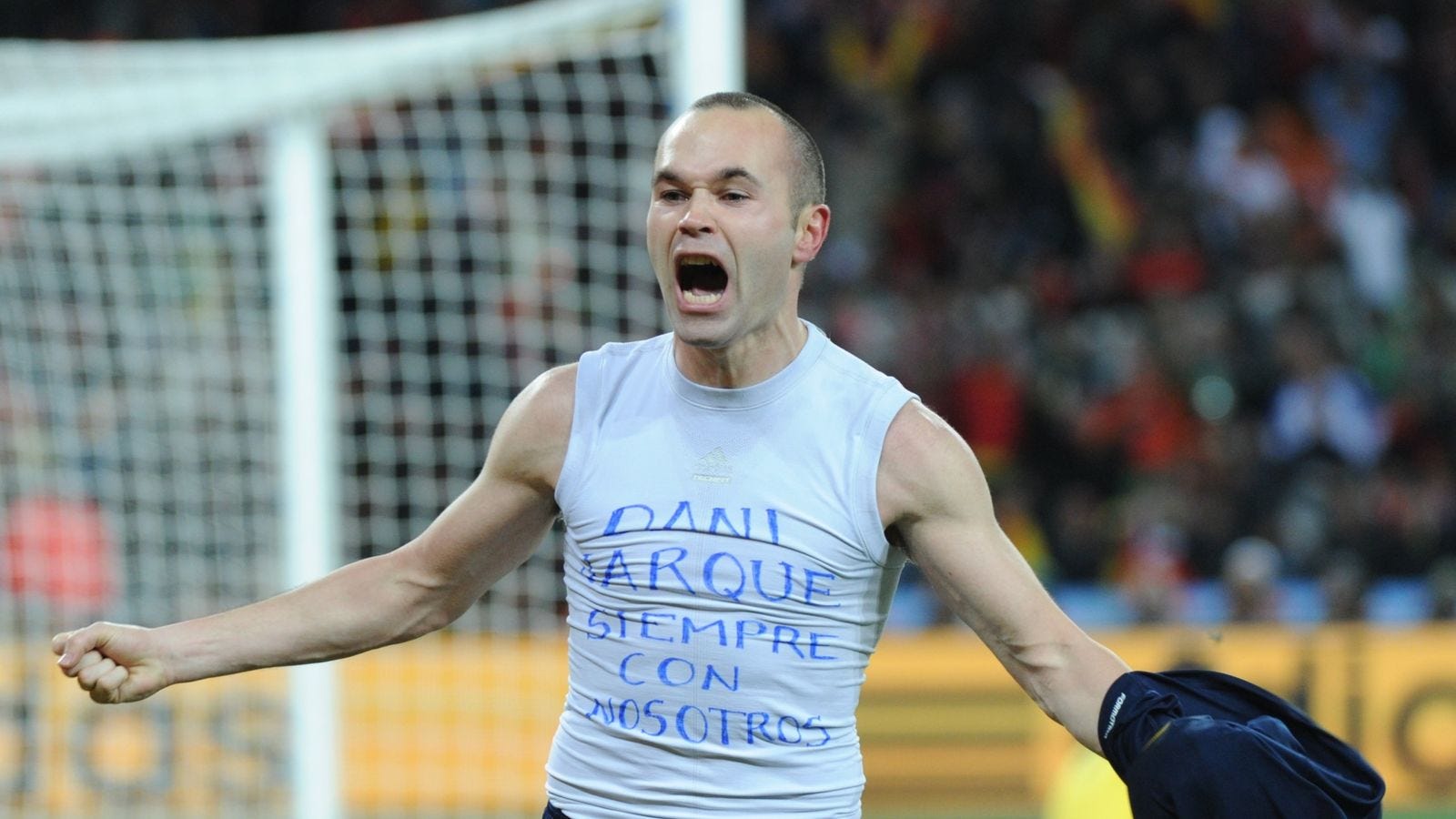
I have never believed in nationalism, least of all in sport. I can admire Daley Thompson, Teófilo Stevenson, Torvill and Dean, or Nadia Comăneci as easily as I admire Dorothy Hamill, Roy Jones Jr., or Sugar Ray Leonard. I cheer for grace, for courage, for the athlete who carries themselves with dignity. I may support the United States, but I have always loved David Villa, Xavi, Iniesta, and the whole shimmering geometry of tiki‑taka. I care less about the flag on the shirt than the humanity of the person wearing it.
And though I believe in rules and order, there are limits to what rules can justify.
So the test becomes simple: Will I watch? For all I dislike about nationalism — and for all I oppose in the domestic and foreign policy of the Trump administration — I love a good World Cup match. The knockout rounds are a kind of global theatre: tense, unpredictable, occasionally transcendent.
But will I, like so many others, simply go along? Will I allow the spectacle to wash over the politics that surround it?
It is, in the end, a test of conscience — the kind that asks whether the joy of the game can coexist with the unease of the moment.