

When I was in law school in the late 1980s, freedom of speech, while not simple, at least felt structured. The questions were familiar: Was the subject a public figure? Was the statement false? Did it cause harm? Did it cross into incitement? These were not trivial matters, but they were recognizable ones. We argued them vigorously, often disagreeing, but within a shared framework.
Over time, that framework became less clear.
The language shifted. “Political correctness” entered the conversation—not as a legal doctrine, but as a cultural critique. The claim was that certain forms of speech, while perhaps uncomfortable, were being unduly restrained in the name of sensitivity. Comedians complained of narrowing space. Campus debates became more fraught. The argument, in essence, was that social pressures were beginning to succeed where legal ones had not.
Whether one agreed with that diagnosis or not, it was still, at its core, a cultural argument.
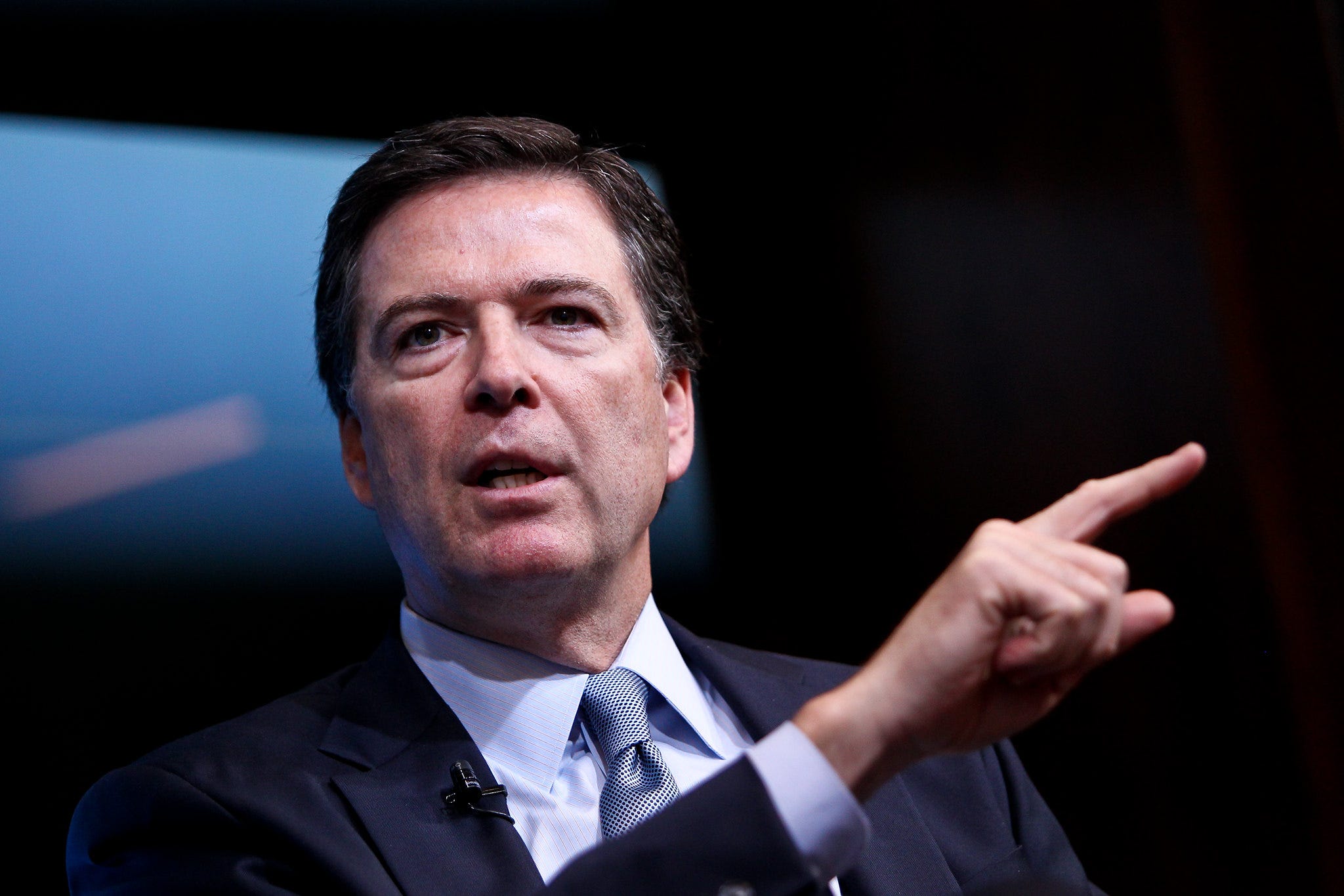
What is different now is the sense—at least in some quarters—that the pressure is no longer merely social. In recent years, questions have arisen about the role of government actors and public institutions in shaping or constraining speech—whether through coordination with private platforms, regulatory pressure, or the signaling of potential consequences. These are not always clear lines, and not all instances are equivalent. But the concern is that the boundary between persuasion and authority is, at times, less carefully observed.
That shift—if it is a shift—deserves careful attention.
A free society cannot function without distinctions. Not all speech is the same. The law has long recognized this. There is a difference between criticizing a public official and defaming a private citizen; between satire and threat; between argument and incitement. The familiar example—shouting “fire” in a crowded theater—remains instructive not because it is clever, but because it reminds us that context and consequence matter.
The difficulty today is not simply that speech is contested. It always has been. It is that we increasingly speak about speech in broad, imprecise categories—“woke,” “political correctness,” “hate”—that obscure more than they clarify. These terms function less as analytical tools than as signals of allegiance.
That is not a sound basis for legal or civic judgment.
The better approach is the older one: to ask, with some discipline, what kind of speech is at issue, who is speaking, who is being addressed, and what, if any, harm is reasonably foreseeable. These are not glamorous questions. They do not lend themselves to slogans. But they are the ones that allow a society to remain both free and ordered.
To treat every statement as a proxy for something larger or more sinister is to risk losing that balance. And once lost, it is not easily recovered.
Freedom of speech does not require admiration. It requires judgment. And, above all, the discipline to resist abandoning distinctions in favor of reaction.