

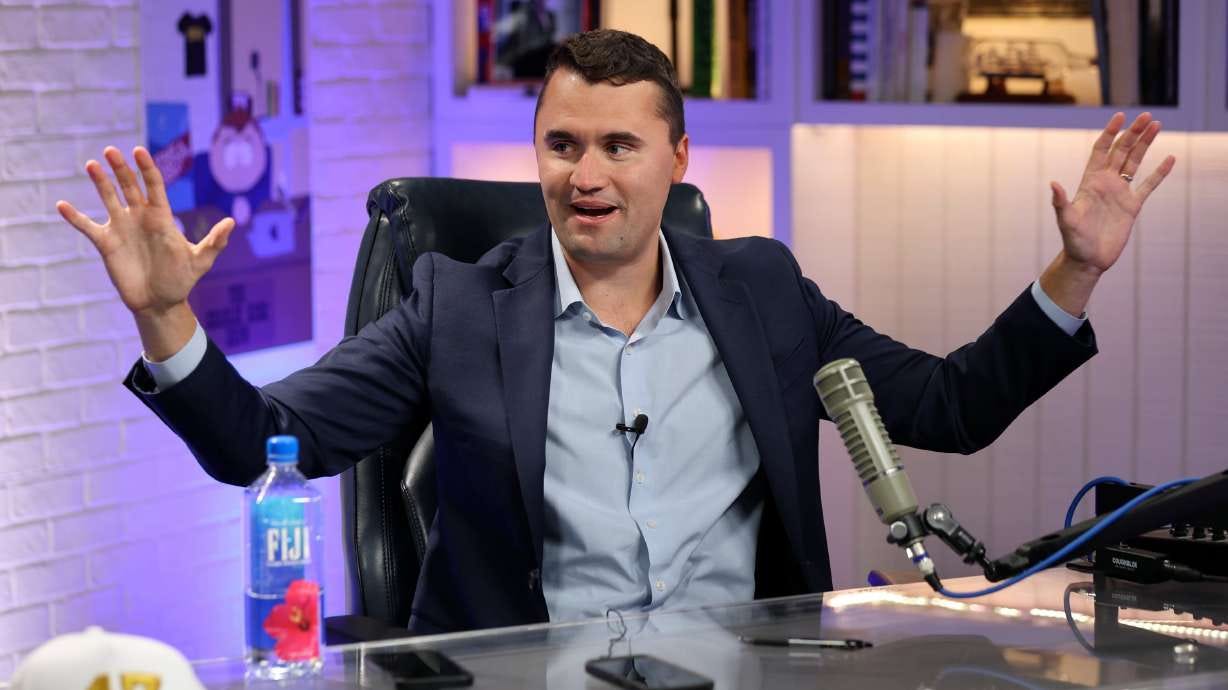
When Charlie Kirk was murdered by what appears to have been a young gunman of still uncertain motive, the immediate instinct across much of public life was to call for collective mourning. Government officials spoke solemnly of his death. Citizens who reacted harshly — even those who disagreed deeply with Kirk’s politics — were urged to show restraint. For a civilian political figure, he was granted a striking degree of public reverence.
Many Americans disagreed deeply with his politics. Yet they were asked to respond with patience and empathy, to pause before judgment, and to recognize the gravity of a life taken violently.
This week offers an instructive contrast.
After American strikes against Iran, the White House expressed anger that news organizations published the names of Americans killed overseas in the aftermath. At the same time, the public has been warned that further deaths may follow — and that even if the consequences of war eventually reach our own shores, such losses must be understood as part of the cost of conflict.
Death does not become less tragic because it occurs under different circumstances. Each name represents a family notified in the middle of the night, a hometown that suddenly appears in the news for the worst possible reason. When war begins, the deaths it produces quickly move from personal tragedy into the category of strategic necessity. They are acknowledged, but quickly absorbed into the language of strategy and national purpose.
That tension deserves careful attention. Citizens can mourn the violent death of a public figure and still reserve the right to ask difficult questions about war. Governments may honor the fallen, but they cannot dictate the hierarchy of grief.
Americans must ultimately decide for themselves whom they regard as heroes and which deaths demand reflection. Public memory is rarely formed in the first hours after tragedy, and it should not be directed solely from the podium of government.
News organizations, imperfect though they may be, play an essential role in preserving that independence. They decide what is reported and what remains unseen. Their readers, in turn, decide what deserves attention.
A free society requires that both choices remain open to its citizens.