

In times like these, I find myself with a quiet sympathy for those in uniform. You enlist, you swear an oath, and then you discover you are being sent somewhere you barely understand. Venezuela, perhaps. You’re told it involves drugs, instability, national interest. You do your job as best you can. Most people would.
The dilemma becomes more acute closer to home.
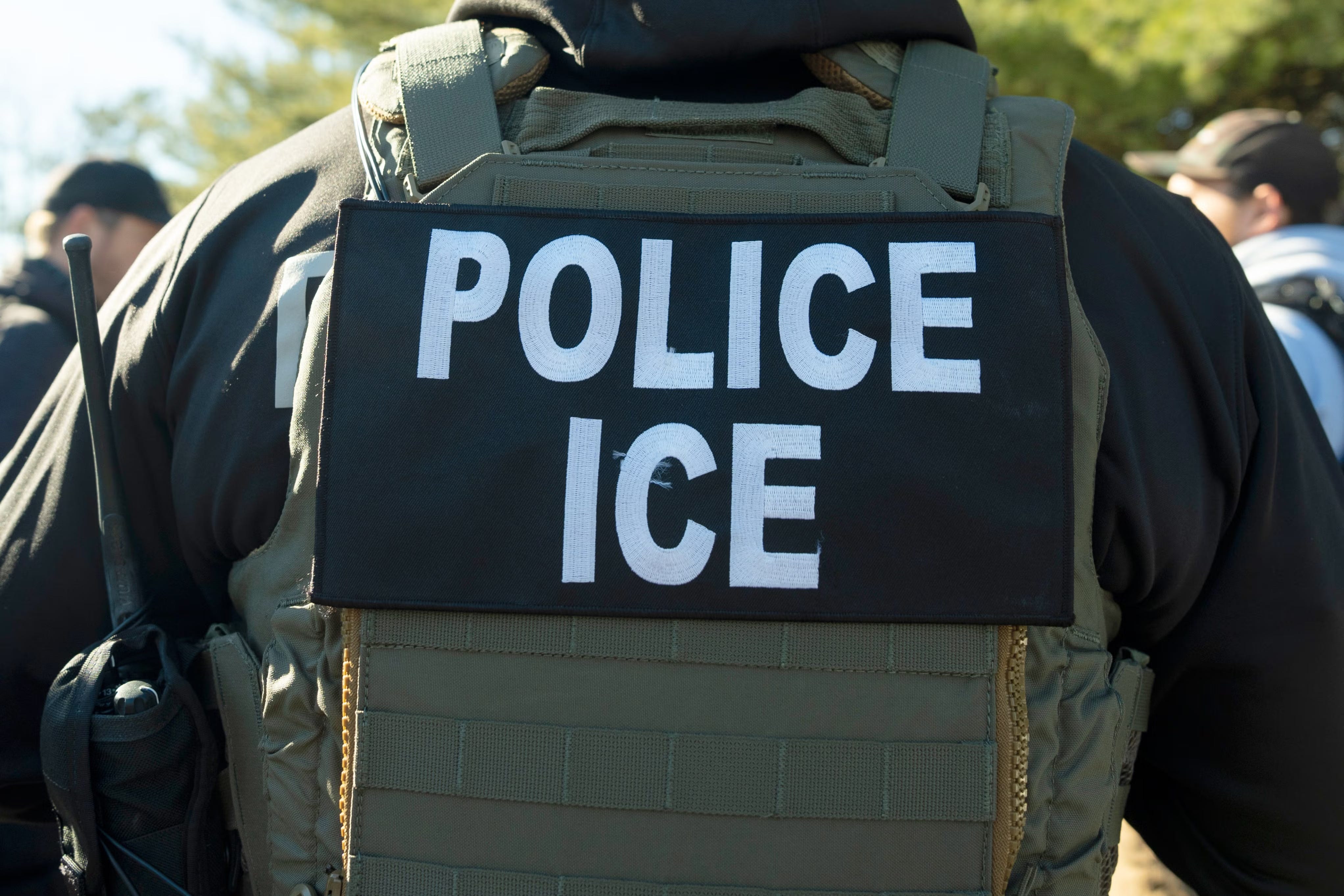
Suppose you sign up for ICE or Border Security. Perhaps there is a signing bonus. Perhaps you believe you are protecting borders, enforcing law, keeping order. Then one morning you are told to enter an American neighborhood, mask your face, place someone in a vehicle, apply handcuffs. There is no warrant in your hand. The person has committed no visible crime. They are not resisting. They are not dangerous. They are simply there.
At that moment, a reasonable question arises: Is this what I agreed to do?
No matter what one believed at enlistment, no matter how often “orders” are invoked, conscience does not disappear upon receiving a badge or uniform. It has a stubborn way of appearing precisely when duty becomes ambiguous. With authority at your back and anonymity on your face, you still know what you are doing when you enter a housing complex or a neighborhood. You know the difference between enforcing law and frightening people into submission.
This is not an argument against service. Quite the opposite. A republic depends on people willing to serve — to defend, to enforce, to protect. But service does not absolve moral responsibility; it sharpens it. Obedience is not the same thing as judgment, and orders do not eliminate the burden of choice.
A signing bonus cannot replace one’s obligation to do the right thing. Nor can duty, properly understood, require the surrender of conscience. The strength of a free society lies not only in its laws, but in the character of those asked to carry them out.
Authority without conscience is merely force.
Conscience without responsibility is merely sentiment.
The task — always — is to hold both at once.