

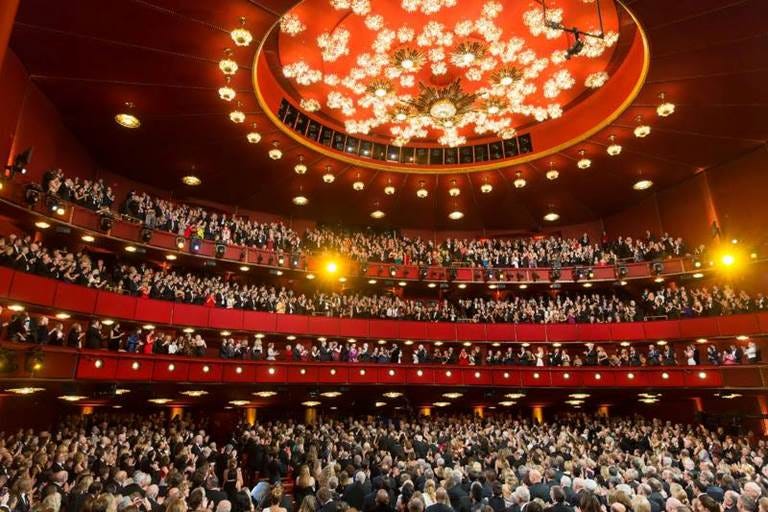
We learned this week that the Administration plans to close the Kennedy Center after July 4 for two years, ostensibly for “repairs.” Taken in isolation, this might register as a bureaucratic inconvenience. Taken in context, it reads as something else entirely: a small but telling metaphor for how power is now being exercised.
The pattern is familiar. Family members and unqualified loyalists are installed to run an institution they neither understand nor respect. Its mission is treated with open hostility. The president’s name is affixed where it does not belong. Core audiences drift away. Revenues decline. Explanations are offered—always external, never internal. And now sweeping changes are proposed, described in neutral language, without the transparency, approvals, or humility such a national institution requires.
“Repairs,” after all, is a soothing word. It suggests maintenance, stewardship, care. What it conceals is disruption: canceled seasons, displaced artists, furloughed staff, donors left uncertain, and a public cultural space rendered inaccessible. Language does much of the work here. When disruption is renamed improvement, accountability quietly recedes. What goes largely unasked is who benefits from such projects—who is selected to carry them out, how they are financed, and what new dependencies are created along the way.
With so much else demanding attention, it is tempting to dismiss this episode as trivial. People said similar things when the East Wing of the White House was suddenly demolished. At the time, that shock mattered. This barely does. That, too, tells us something.
What is striking about the Kennedy Center episode is not its cruelty, but its incompetence. This is not a subtle institution. It is visible, beloved, and populated by people who understand how such places function. Washingtonians know it. Artists know it. Donors know it. The musicians, stagehands, educators, and administrators who make it work know it. And yet the Administration blunders ahead, confident that authority alone can substitute for judgment.
In that sense, the episode is clarifying. Authoritarian projects do not fail only because they are unjust; they fail because they are bad at governing. They mistake control for competence and loyalty for skill. The result is not strength, but decay—slow, avoidable, and self-inflicted.
The protests in Minneapolis and the quieter resistance on cultural stages suggest that many Americans still recognize this distinction. They understand, instinctively, that institutions are not abstractions. They are made of people, practices, and trust accumulated over time.
The Kennedy Center will endure. Institutions often do. The more pressing question is whether those entrusted with power will relearn what stewardship requires—or whether moments like this will continue to reveal a deeper failure: not merely of judgment, but of responsibility. To recognize misrule and treat it as someone else’s problem is itself a choice. And it is one history tends not to forgive.