

We often say we study history so we don’t repeat the mistakes of the past. I’ve always loved history because I love the stories. But learning anything truly useful from it is remarkably difficult. The forces that produced the American Revolution, the First World War, the rise of Nazi Germany, or the tragedy of Vietnam never came together in quite the same way before—and they never will again. Even when we imagine alternative outcomes—different weather on June 6, or Hitler guessing Normandy instead of Calais—we can never know how events would have unfolded. History rarely offers clean lessons. It offers possibilities.
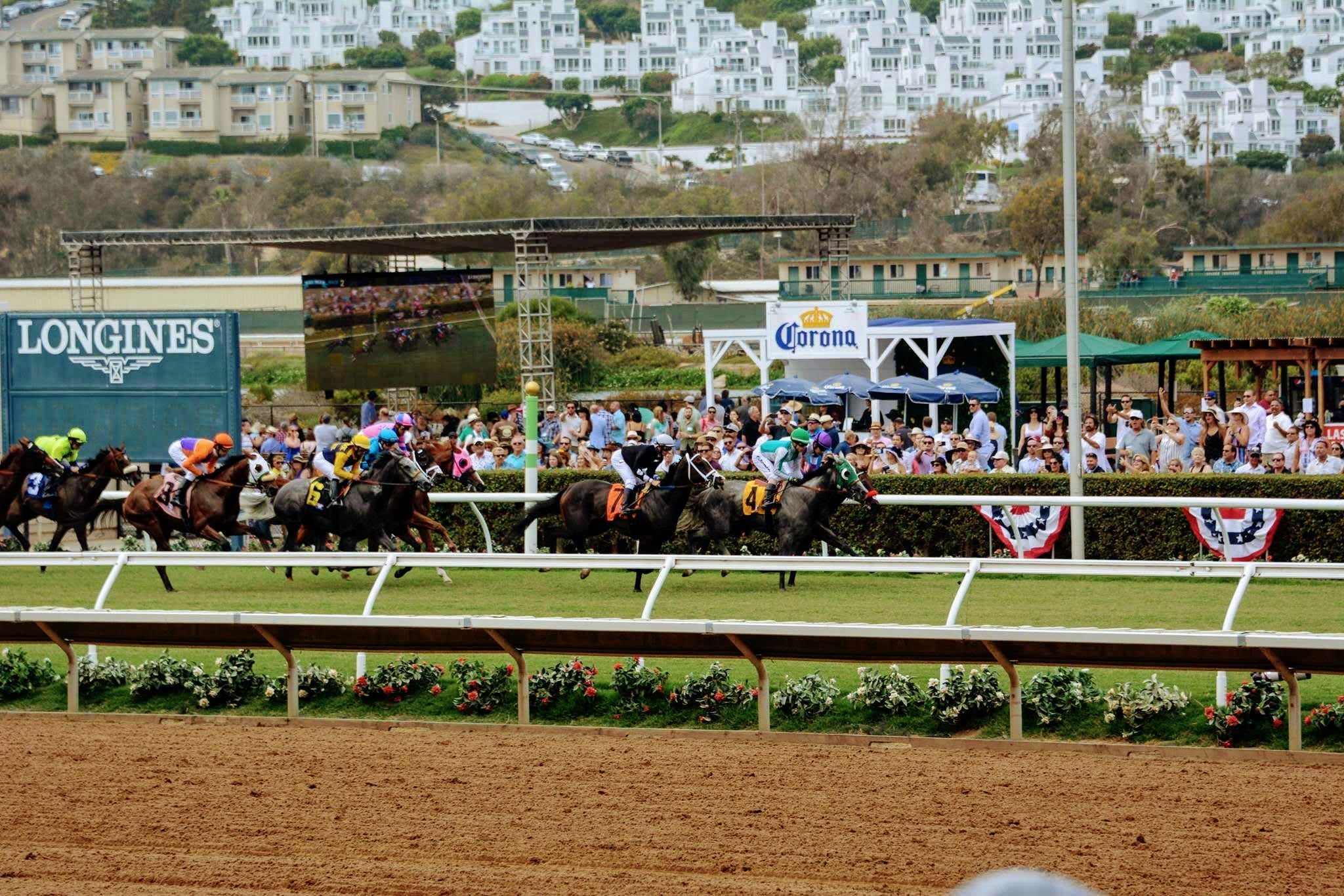
Horse racing taught me this long ago. Horseplayers are skeptical by nature. We don’t decide a jockey matters because of one race. We don’t conclude a trainer pattern is real because it worked twice. We study thousands of races before we trust a factor. Even then, we recognize that the game evolves. New trainers emerge. Track surfaces change. Bettors adapt. Handicapping is never finished. It is always provisional.
Nations, by contrast, often build sweeping lessons from a single war. One generation studies the First World War and concludes that alliances are dangerous. Another studies the Second World War and concludes that appeasement is fatal. Others point to Vietnam and insist that military intervention is folly. Yet each conflict emerged from its own geography, technology, leadership, economics, and culture.
Foreign policy works much the same way as handicapping. When analysts try to anticipate Iran’s response to a bombing, they examine history—but they also study today’s leadership, domestic politics, military capabilities, alliances, economic pressures, technology, and incentives. They do not treat history as a script. They use it the way handicappers use old race charts: as evidence, not prophecy. The past reveals tendencies. It does not dictate outcomes.
Military planners have repeatedly discovered how fragile historical lessons can be. Before 1914, Europe prepared for wars of movement. By the end of the conflict, trenches and machine guns had transformed battle. Before 1939, many believed another stalemate was inevitable. Germany instead raced through the Ardennes. After the Second World War, nuclear weapons reshaped strategic thinking. Today, drones, satellites, cyberwarfare, artificial intelligence, and precision weapons are changing it yet again. The principles of leadership, logistics, morale, and industrial capacity endure, but the way wars are fought keeps evolving. Every generation learns from history—but often from a different history.
Analysis, like handicapping, must evolve with it. It must consider new technologies, new incentives, new political realities, and new forms of conflict. History is not a manual to be copied but evidence to be weighed. Every generation inherits the past, but every generation competes under different conditions.
We should study history—not because it tells us exactly what to do, but because it helps us ask better questions. Wisdom comes not from assuming the next race will unfold like the last one, but from recognizing which parts of the past still matter, which no longer do, and which new factors have entered the field.