

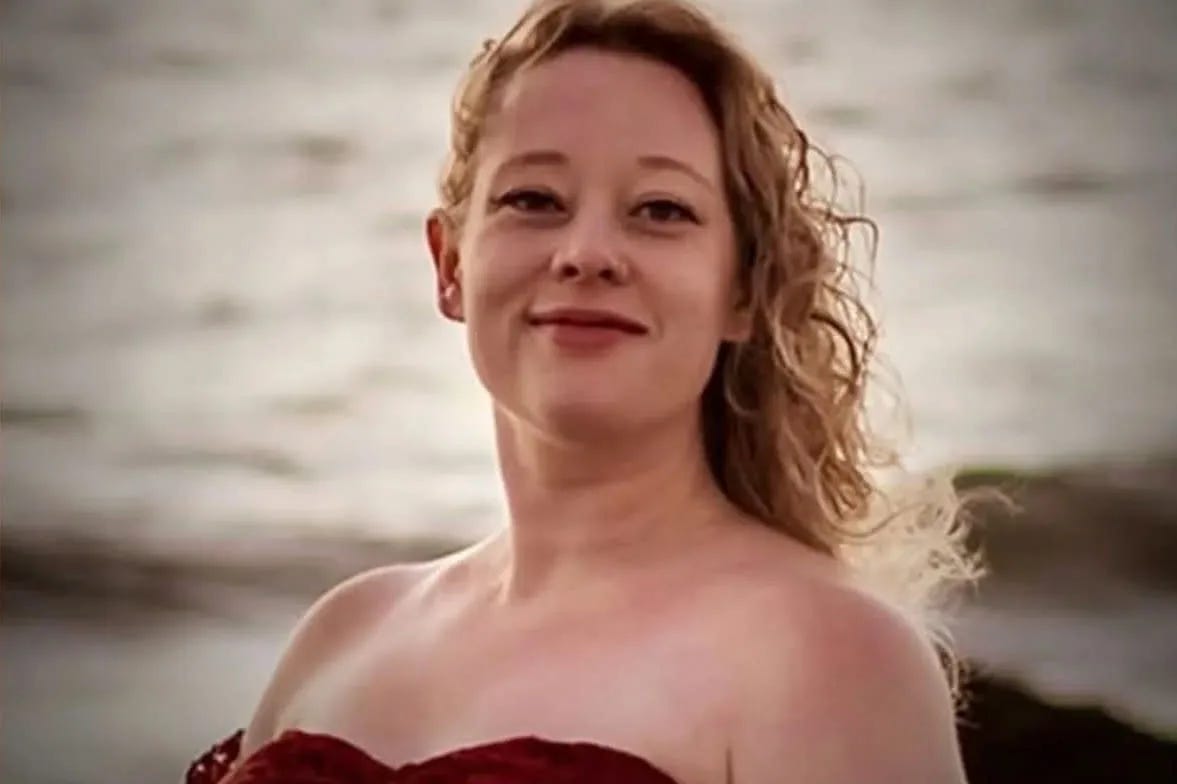
The public reaction to the killing of Nicole Good has been revealing—not only in how we assess evidence and innocence, but in how we value human life when power is involved.
In theory, murder is one of the few events that still draws a broadly human response across politics and demographics. In practice, we carve out exceptions. We invoke nuance—self-defense, authority, fear, mission—sometimes thoughtfully, sometimes conveniently. The result is not moral seriousness, but pattern.
We also inherit different instincts about guilt and innocence. Some emphasize order and deference to authority; others emphasize defendants’ rights and institutional bias. Minority communities, shaped by experience, often see injustice where others see tragic error. None of this is new.
What is striking is how quickly many people suspended their usual moral reflexes. Almost immediately, much of the commentary shifted away from the woman who was killed and toward the burden carried by the officer. Before we even knew his name, the language of absolution was already in place: stress, danger, heroism, mission.
This framing accomplished something remarkable. A white woman, apparently unarmed and posing no clear threat, was shot repeatedly in public—and yet a large segment of the public remained unmoved. Not conflicted. Not uncertain. Simply settled.
They were told to wait for the evidence. They were told to consider the officer. Ordinarily, such caution might make sense. But it sits uneasily beside a broader contradiction. The same voices urging patience here routinely accept sweeping claims—about millions of dangerous people, about existential threats—without evidence at all. Arrests without warrants. Deportations without hearings. Accusations without proof. Evidence becomes sacred only when power itself is questioned.
That asymmetry is reinforced when the same authority insists on strict punishment for the powerless while openly signaling pardon or forgiveness for those who commit crimes in its name.
Is this politics? Certainly. Tribalism? Undeniably. Propaganda? Often. Sometimes it is something quieter and more unsettling: a moral double standard in which authority deserves empathy while vulnerability must earn it.
Many who argue passionately that abortion is murder are also prepared to insist that a man who fires three shots into a woman’s head must first be deeply understood. Order is granted moral priority; justice is asked to wait.
That is not realism. It is moral dissonance.
A society that excuses the killing of the innocent in the name of order does not preserve itself. It erodes the very ground on which order depends. If evidence matters, it must matter always. If life is sacred, it must be sacred inconveniently. And if power is to be trusted, it must be willing—indeed eager—to submit itself to judgment.
Anything less is not prudence. It is surrender.