

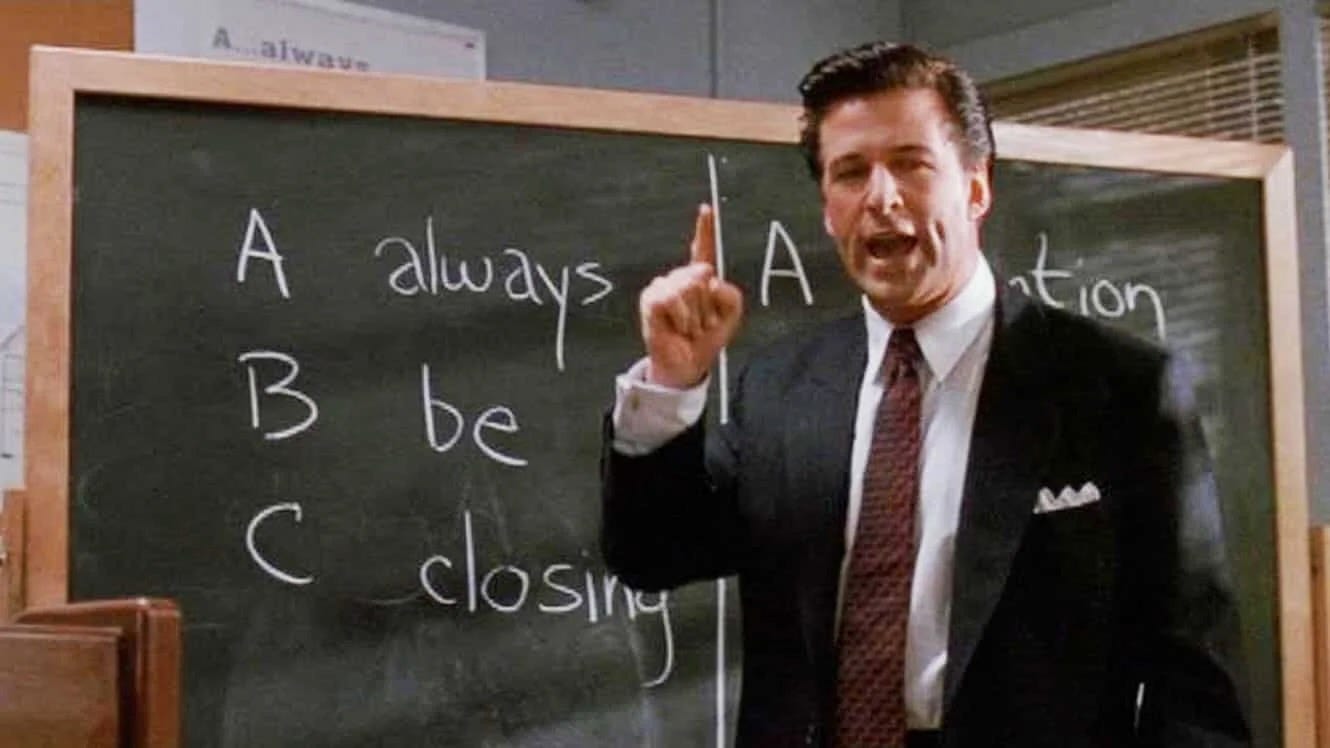
I once worked for a CEO who was, himself, a brilliant salesman — handsome, charismatic, funny. He ran the company like a pure sales organization.
Above all else: sell, sell, sell.
If you made excuses, if a bad performance on a job was offered as the reason you missed new business, he’d wave it away with a single line:
“Everybody sucks.”
Meaning: everybody has problems. Stop explaining ours and go sell.
There was even a certain wisdom in it.
But sometimes we really did suck.
In professional services, good performance makes life easy. Clients stay. They refer you. Your book grows. Perform badly and everything gets harder. You apologize. You discount. You become part-PM, part-therapist, part-firefighter. Above all, you have to keep finding new customers because the old ones are slipping away.
A great salesman can cover for bad performance for a surprisingly long time.
But eventually the client experiences the product.
The Trump administration increasingly reminds me of that approach.
Donald Trump may be the purest salesman ever to occupy the presidency. The long tie. The bronze complexion. The gilded rooms. The superlatives. Everything is the biggest, strongest, most successful. America isn’t doing reasonably well.
America is doing great.
That is the pitch.
If prices remain high, emphasize the ones that fell. If tariffs impose costs, insist the benefits are coming. If an economic indicator disappoints, find another indicator. If a policy creates a problem, explain why the alternative would have been worse.
And, inevitably, mention Biden. And blame the fake news media.
Sell, sell, sell.
But government has something a sales organization doesn’t:
the power to change the product.
If tariffs are adding pressure to prices, eliminate them. If war with Iran is pushing up energy costs, look for a way out. If industries are struggling with labor shortages, drop the draconian immigration policy.
Governing means making choices, measuring results, and sometimes changing course.
The alternative is to treat governing as an exercise in persuasion.
And this weekend, that approach reached its purest form.
During NFL and college football games, Americans saw a television advertisement featuring Donald Trump. One of them was essentially a Trump campaign commercial from 2024, now airing with a new disclosure at the bottom of the screen:
“Paid for by the U.S. Government.”
Consider the business model.
The salesman had become the product.
Trump has spent much of his public life selling an idea of himself: wealth, success, confidence, winning. The surroundings matter. The appearance matters. The repetition matters. Most of all, certainty matters.
The country is doing great.
The policies are working.
The problems are somebody else’s fault.
There is almost never a bad quarter — only a quarter whose brilliance has not yet been properly understood.