

War colleges spend enormous time studying past conflicts. But history suggests militaries are often best prepared for the wars they already fought rather than the ones about to arrive.
World War I produced trenches, tanks, and industrial slaughter. World War II shifted toward carriers, strategic bombing, and nuclear weapons. The decades after brought insurgencies, proxy wars, and asymmetrical conflict. Every era punished armies that clung too tightly to the assumptions of the previous one.
Ukraine may be doing it again.
The war has shown how drones, decentralized communications, commercial technology, and adaptability can offset enormous disadvantages in manpower and materiel. Relatively inexpensive systems now impose staggering costs on far larger and wealthier powers.
The lesson is uncomfortable for traditional military planners.
Modern warfare increasingly rewards flexibility over grandeur. Massive fleets, advanced aircraft, and enormous defense budgets still matter. But procurement cycles are slow, bureaucracies are rigid, and prestige often remains attached to legacy systems while warfare evolves elsewhere.
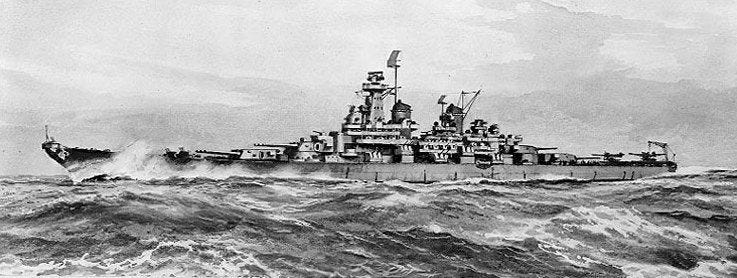
That is why current American debates matter. The Trump administration often speaks in the language of overwhelming force — battleships, dominance, raw power. There is logic to deterrence through strength. But Ukraine has also demonstrated that agility, improvisation, decentralized systems, and technological adaptation can steadily erode even large conventional advantages.
Future wars may depend less on who spends the most and more on who learns the fastest.
Modern warfare punishes rigidity.
And nations that fail to adapt usually discover their adversaries already have.