

American history contains more than enough cruelty. Racism, anti-Semitism, sexism, and other forms of hatred have produced violence, exclusion, and policies that inflicted real harm. Sometimes those injustices were defended as economic necessity. Sometimes they were justified as cultural protection. Sometimes they were simply the way a majority made itself feel superior. Human beings have never lacked for explanations.
Liberals often describe conservative policies as cruel. Conservatives reply that government cannot provide everything to everyone, that prosperity requires work, and that a stronger economy lifts all ships. Even if liberals doubt the sincerity of those arguments, they are at least coherent. It is hard to accuse Milton Friedman of indifference to human suffering.
But during Trump II, some policies seem to have abandoned even the traditional pretense that suffering is merely an unfortunate cost of achieving some larger purpose.
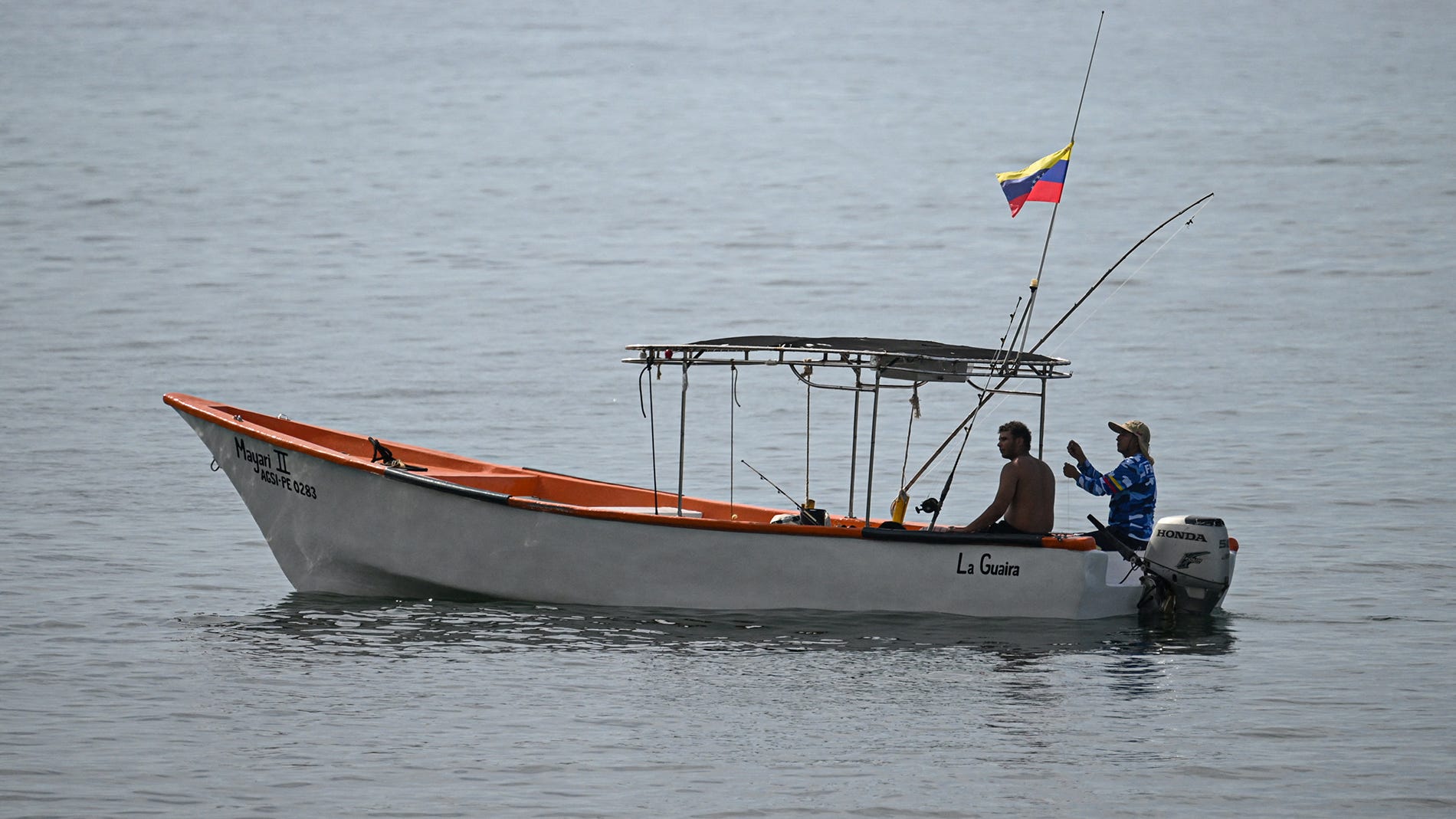
U.S. forces have now killed more than two hundred people in strikes on small boats the administration says were involved in drug trafficking. Yet we have remarkably little public evidence establishing what many of those vessels were carrying, where they were going, or even who the people aboard them were. Some of the dead have been identified as fishermen. The government’s own targeting criteria reportedly do not require evidence that narcotics are actually aboard the vessel.
Perhaps the administration possesses convincing intelligence. But ordinarily we would expect a government to interdict a vessel, search it, identify its occupants, seize contraband, arrest suspects, and present evidence. Destroying the boat and killing everyone aboard — without trial or any public demonstration that those killed posed an imminent threat — is something different.
We are also deporting people to countries they are not from. Cubans and Venezuelans have been sent to African nations. Others have been removed to countries with which they have little or no connection. If the purpose is simply immigration enforcement, the obvious question remains: why not return people to their actual countries?
And then there are people who followed the rules, lost their legal status, and wish to self-deport — only to find themselves detained anyway.
One could go on.
Racism may explain some of the rhetoric. Restrictionism may explain the desire for fewer immigrants. Border security may explain deportation. But none of those things, by themselves, explain why a Cuban should be deposited in Liberia, or why people aboard a small boat should be killed on the government’s assertion that they are involved in the drug trade.
The administration might call some of this deterrence. Make the consequences frightening enough and fewer migrants will come. Make the seas dangerous enough and fewer people will traffic drugs.
Perhaps.
But even that explanation requires us to supply a theory the government has not adequately demonstrated.
What exactly are we deterring?
If we do not know that drugs were aboard a particular boat, do not publicly know who the people aboard were, and do not know where the vessel was ultimately headed, it becomes difficult to describe their deaths as the regrettable cost of a clearly defined policy.
Perhaps there is a coherent strategy hidden behind information the government has chosen not to share. But after more than two hundred deaths, citizens should not have to invent one on its behalf.
And that leaves a more disturbing possibility.
Perhaps the spectacle of punishment has acquired value of its own. Boats explode. People die. Migrants are sent somewhere unfamiliar. People attempting to leave voluntarily are detained. The images and stories communicate power. Whether each act advances some larger objective can begin to seem almost secondary.
Every government imposes hardship. Taxes hurt someone. Wars kill people. Immigration laws separate people from places where they have built lives. Economic policies create winners and losers. The traditional defense is that the hardship purchases something the government considers necessary.
But cruelty becomes something different when suffering itself begins to appear useful.
The migrant suffers so another migrant will be afraid. The people on the boat die so others will fear making the journey. The punishment becomes visible because visibility may itself be part of the point.
Maybe that is deterrence.
Maybe there is some other theory.
Or perhaps, in some cases, the cruelty has become detached from any coherent policy objective at all.
We should be careful before claiming to know which explanation is true.
But the burden cannot be on citizens to construct a respectable rationale for their government while their government kills people without publicly establishing who they were or why death was necessary.
Perhaps there is a theory.
After more than two hundred deaths, the government owes us one.
Until then, what remains visible is the cruelty.