

In recent years many Americans have lived in a state of continual political alarm — not always about policy, but about whether the rules themselves still hold.
Participation in democratic life depends less on influence than on trust. For some communities government has not always been a reliable protector, and the right to vote, to appeal, or even to expect fair treatment has not always been consistently honored. Confidence in neutral procedures is therefore hard to build and easily disturbed.
Election officials often describe their work as intentionally boring: verifying signatures, reconciling numbers, documenting procedures. They are not activists. They are administrators. Their authority depends less on power than on public confidence, and confidence is easier to unsettle than to restore.
The damage is usually quiet. A local registrar receives a call asking how a certification decision will be made. Nothing illegal is said. Nothing explicit is demanded. Yet the atmosphere changes. The rules remain written, but the expectation of neutrality weakens.
Daily life follows. A business owner wonders whether enforcement depends on law or connections. A voter wonders whether a ballot will be counted fairly. A public servant hesitates between legality and loyalty.
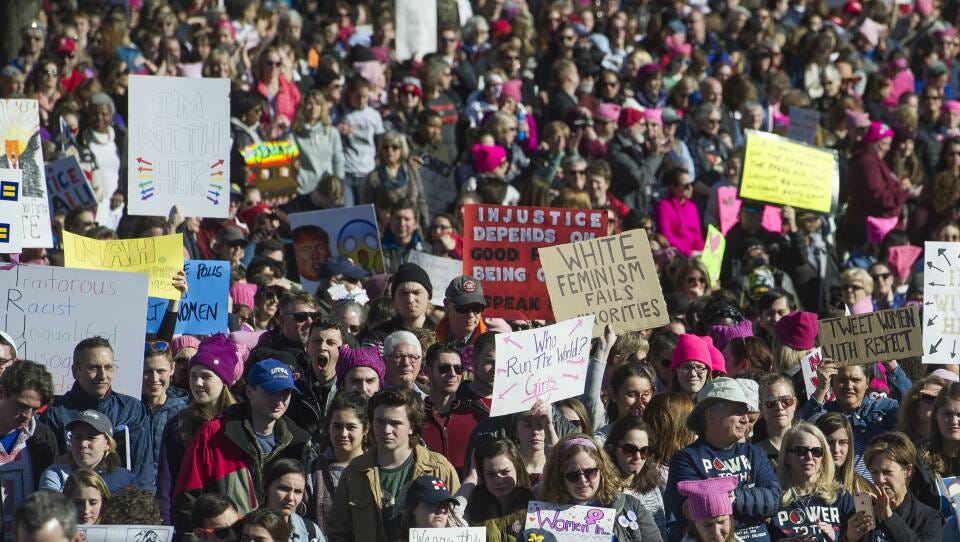
A constitutional system survives not on grand declarations of loyalty but on ordinary people following ordinary rules. Demonstrations draw attention; procedures preserve trust.
We increasingly treat ordinary disputes as existential ones. The instinct energizes movements but weakens judgment. Not every disagreement threatens a republic. Yet certain actions do: pressure on election administration, selective enforcement of law, or the personal use of public authority. A republic weakens when citizens begin to suspect that rules apply to some people but not to others.
Citizenship therefore need not be theatrical. Often it is local and quiet: serving as an election worker, attending a town meeting, maintaining professional integrity in ordinary jobs. These actions rarely attract notice, yet they sustain constitutional government.
Courts may correct abuses and elections may reset authority, but neither can substitute for the daily decisions of citizens who choose whether rules matter in practice. A system of law functions only if thousands of people — clerks, teachers, officers, business owners, reporters — continue following rules even when pressure suggests flexibility.
Democracies rarely collapse in a single dramatic moment. They fade when people start adjusting their behavior to individuals instead of rules.
Citizenship after outrage is steadiness — not constant anger and not indifference, but a refusal to abandon ordinary standards of fairness in ordinary places.
Self-government survives less through speeches than through habits — people doing their jobs honestly long enough for politics to settle down again.