

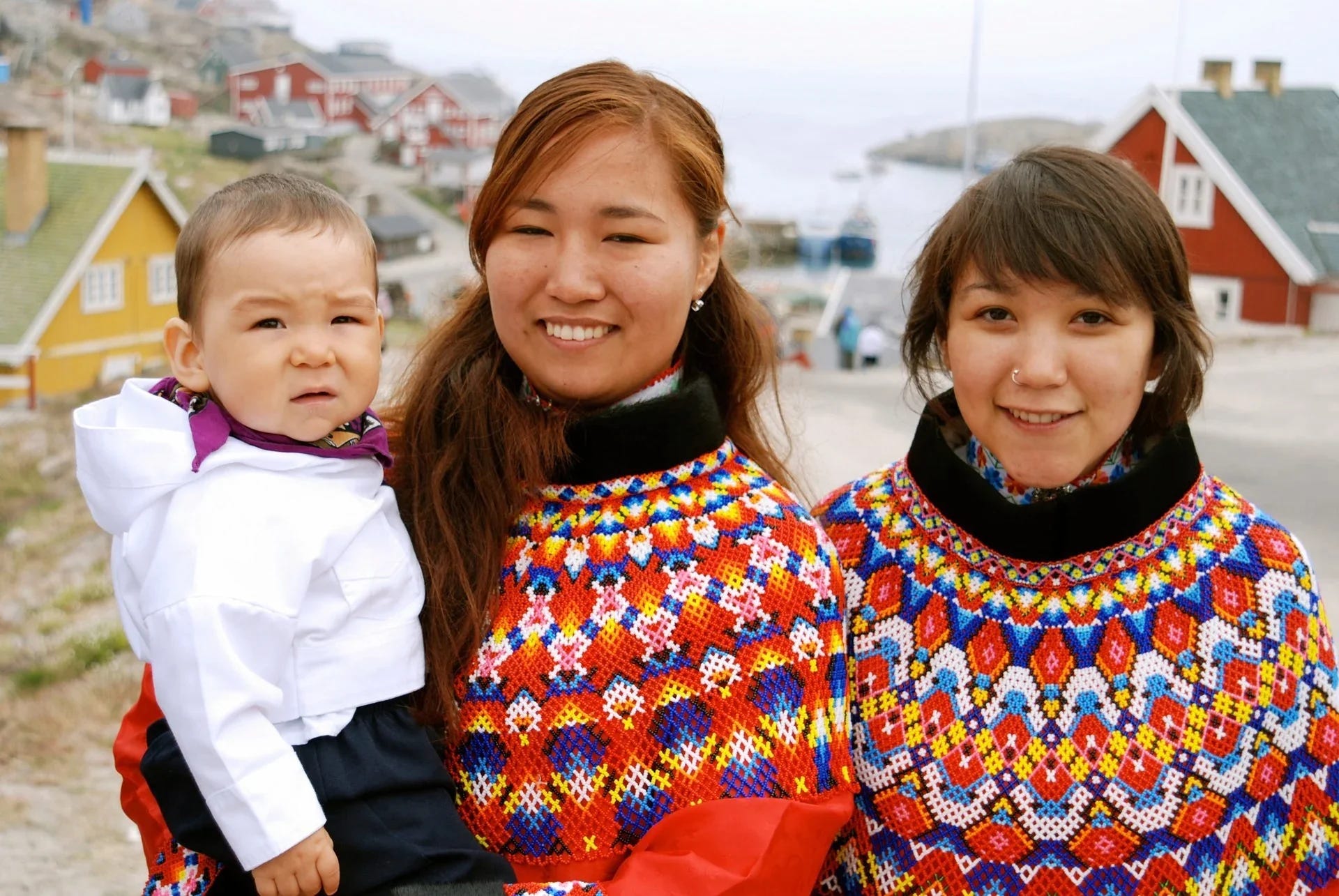
This essay is best read as a part two.
Last month I wrote about Greenland as a place—its endurance, its culture, and the quiet competence of the Danish state that sustains it. What follows is not a departure from that argument, but its inevitable extension.
The Trump Administration has again floated the idea of offering Greenlanders anywhere from $10,000 to $100,000 per person to join the United States. I found myself trying to imagine whether that figure would strike the average Greenlander—whose society has survived centuries of harsh climate, geographic isolation, and Danish stewardship—as anything other than quaint.
Let us begin with healthcare. Under Denmark, Greenlanders participate in one of the most comprehensive public health systems in the world. Under an American arrangement, they would be introduced to deductibles, copays, prior authorizations, and the uniquely American endurance sport of contesting insurance denials. Even at the high end of the proposed payout, a few years of routine medical care could erase the entire “welcome bonus,” especially given the logistical challenges of delivering healthcare across ice, distance, and darkness.
Then there is retirement. Greenlanders currently benefit from a public pension system that guarantees a baseline level of dignity in old age. In the United States, that dignity depends on decades of earnings, disciplined savings, and the assumption—now heroic—that Medicare and Social Security remain intact. One suspects the math does not favor the Greenlander.
Education fares no better. Greenlanders enjoy publicly-funded education through college, including grants for secondary schooling at home and tuition-free study in Denmark, with support for living expenses. By contrast, many American families will spend close to a million dollars educating their children. Trading that system for a one-time check would require a tolerance for financial risk bordering on recreational.
Food and infrastructure present another puzzle. Greenland depends on imported goods delivered through icy waters under extreme conditions. If the United States fails to manage that supply efficiently—or introduces tariffs into the Arctic, which would be on brand—the cost of living could spike dramatically. Inflation, it turns out, travels well.
There are also the practicalities of movement. Under U.S. rule, Greenlanders may find themselves navigating paperwork, enforcement, and the ever-present possibility of being questioned by authorities whose enthusiasm for nuance is uneven and discretionary. Whether a largely Indigenous population would enjoy durable protections in such a system is, at best, unclear.
Security, at least, would be simplified. Since the only country currently threatening Greenland is the United States, Greenlanders could sleep soundly knowing they are now owned by the threat itself.
Cultural considerations aside—attachment to Denmark, national identity, Lutheran traditions, an aversion to buildings named after presidents, and a general disinterest in being told to say “Blessed Christmas”—the financial case remains unconvincing. Even $100,000 feels less like an offer than a misunderstanding.
If the United States is serious, the bidding likely begins somewhere north of half a million dollars per person. Possibly more. After all, Greenlanders already have something Americans claim to value deeply: security, education, healthcare, and a social contract that works.
Selling that cheaply would be irrational.
And irrationality, one hopes, remains an American export—not an Arctic import.