

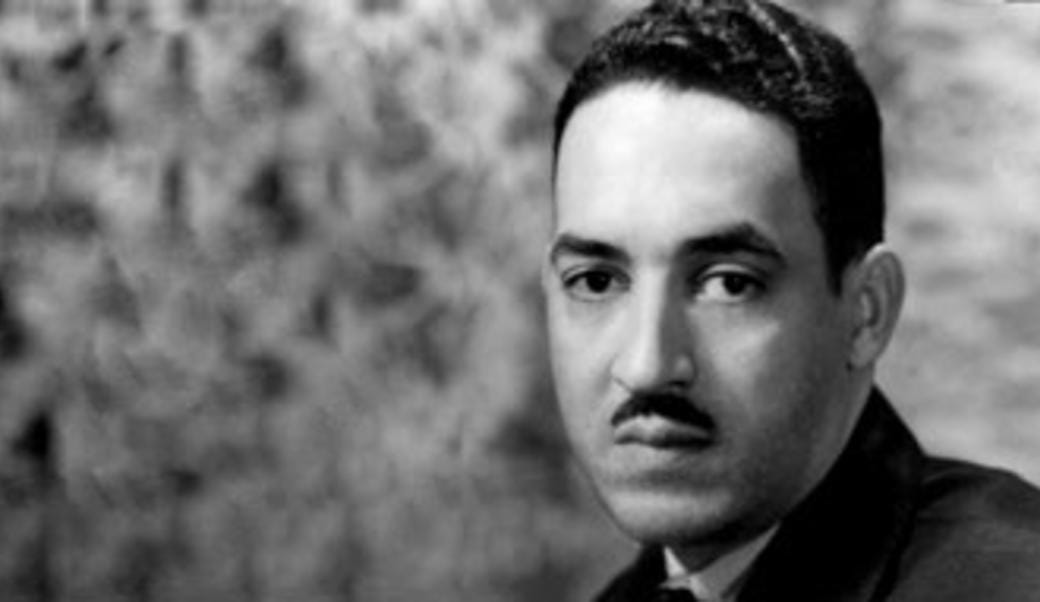
The most revealing detail about Thurgood Marshall is not how often he won, but where he worked. He traveled town to town across the South representing Black defendants in local courtrooms where the verdict was often assumed before the trial began. In some places, the immediate objective was not acquittal but survival — preventing a legal proceeding from becoming a lynching carried out under color of law.
Marshall’s record was astonishing: 29 victories in 32 appearances before the Supreme Court. Yet statistics do not explain his importance. Even prosecutors recognized they were facing more than an advocate. They faced a lawyer who understood that the courtroom itself — its procedures, its transcript, its rulings — could become an instrument of accountability.
In one capital case in the 1940s, before an all-white jury in an openly hostile courtroom, Marshall did not expect to persuade the jury. He objected carefully, forced rulings onto the record, and preserved each irregularity. The verdict went against him. On appeal, those preserved errors became the case, and the conviction was overturned. The trial failed. The record endured.
This was his method. As head of the NAACP Legal Defense Fund, he did not confine himself to large constitutional disputes. He took obscure criminal cases not because they were winnable but because they were documentable. Every improper exclusion of jurors, every coerced confession, every denial of counsel could be written down, reviewed, and carried upward. Each case created evidence higher courts eventually had to confront.
He knowingly risked his life doing this work. He drove long rural roads at night, stayed in guarded homes, and altered travel plans to avoid threats that were not theoretical. The danger clarified his strategy. Justice would not arrive as a declaration. It would be assembled — ruling by ruling — until appellate courts could no longer ignore what trial courts had permitted.
Brown v. Board of Education did not suddenly persuade the Supreme Court to prefer equality. It left the Court little alternative. Years of accumulated records demonstrated unequal facilities, discriminatory administration, and systematic denial of equal protection. The decision was therefore not only a moral judgment but a legal conclusion compelled by documented fact. Even then, the ruling did not transform society by itself. Desegregation required enforcement, administration, and sustained civic action before a constitutional principle became lived reality.
Marshall never confused recognition with security. Courts could acknowledge rights, but acknowledgment alone could not protect them. Litigation and public action were partners: court victories required reinforcement outside the courtroom, and protest required legal grounding inside it.
It is tempting to imagine Marshall as a figure of unshaken faith in the judiciary. In truth, he understood its fragility. Many judges he faced were openly hostile to constitutional claims. Some courtrooms were segregated. Some juries excluded Black citizens entirely. Courts did not naturally produce justice. They produced records — and records could compel review.
His achievement was therefore not blind faith in law but disciplined hope: the belief that institutions, persistently confronted with their own documented conduct, could be forced to honor their stated principles.
Marshall did not trust systems because they were noble. He trusted them only when someone forced them to keep a record of their own behavior.
That insight extends beyond civil rights litigation. Democratic systems rarely fail all at once; they erode when procedures are ignored, discretion replaces rules, and accountability weakens. Inspectors general, administrative hearings, election certifications, appellate review, and professional civil service all perform versions of the same task Marshall practiced: creating a record that power must answer.
Public outrage can awaken attention, but documentation constrains authority. A protest may change opinion; a record changes outcomes. Institutions correct themselves not when leaders become virtuous, but when evidence accumulates to a point they cannot evade without abandoning their own legitimacy.
Marshall understood that persuasion alone would not secure liberty. Lawful accountability would.
He did not retreat into despair or romanticism. He objected. He appealed. He preserved the record. He returned the next day and required institutions to confront what they had done.
The structure he helped build still exists. Whether it functions depends on the same habits he practiced: insisting on procedure, recording violations, and treating rights not as promises to admire but as claims to enforce.
A free society does not endure because citizens always agree, or even because they are always fair. It endures when power is required — patiently, repeatedly, and lawfully — to answer to its own rules.
Thurgood Marshall’s lesson is therefore not only about courage, but discipline: the quiet refusal to allow power to act without witness.