

Donald Trump’s bankruptcies did not give pause. They became part of the appeal.
He told a simple story: yes, businesses fail, but he knows how to use the system—how to renegotiate, reset, and move forward. To many supporters, that sounded less like failure than fluency. If the rules exist, why not master them? Why not put that instinct in the hands of someone making deals on behalf of the country?
In business, bankruptcy has a certain logic. It is not merely escape; it is a mechanism. Losses are distributed—often to employees, contractors, lenders, and, at times, the public—and in return a viable enterprise may survive. We tell ourselves this is pragmatic, even humane. We believe in second chances, though perhaps not an unlimited supply of them.
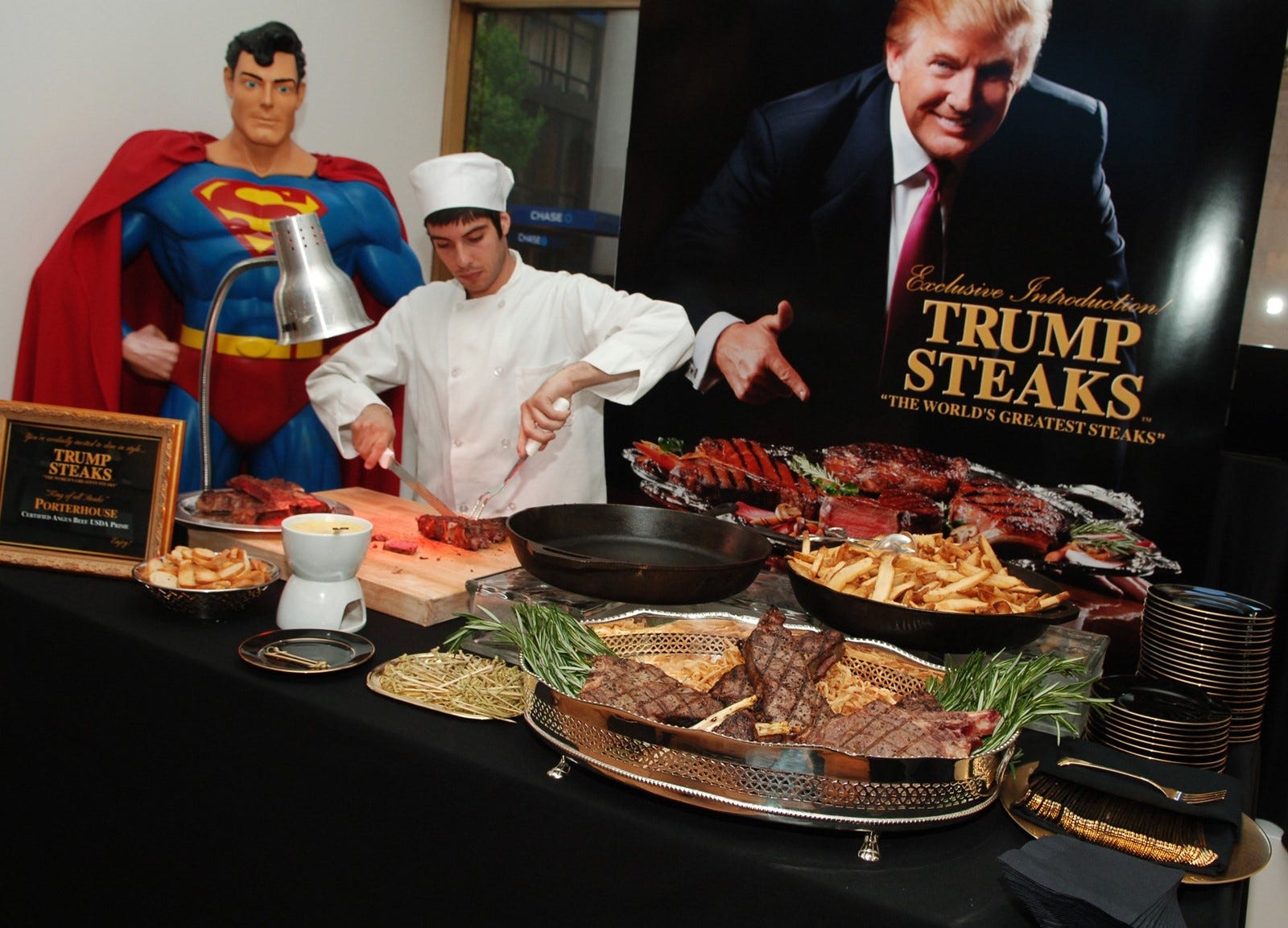
Still, an older intuition lingers: character is revealed not in the efficiency with which one sheds obligations, but in the effort to make others whole. Reputation, in that sense, is not a line item. It is the business.
The question is whether the habits that serve in bankruptcy court translate to the presidency.
Bankruptcy works because failure can be contained. Losses can be allocated, obligations restructured, and the system reset. The presidency operates under a different condition: its consequences cannot always be contained or unwound.
Some decisions are reversible. A tariff can be lifted, and markets may recover. An immigration policy can be softened, and labor flows adjust. These are costly corrections, but they remain corrections.
Foreign policy is different. It accumulates. It remembers.
This risk is compounded when decision-making is not anchored in deep expertise, or when incentives within an administration reward agreement over candor. In such environments, the margin for error narrows further. The absence of corrective voices does not merely affect policy—it affects the ability to recognize when a course cannot be easily reversed.
There is no formal process by which a nation declares a decision bankrupt and begins again. No court to which one can say: we misjudged, we will unwind, let us start over as if the obligations had never been incurred. The Strait does not reopen because we would prefer it so. Adversaries do not reset their expectations because we have reconsidered ours.
This is where incentives diverge. In business, the incentive is survival—preserve the enterprise, even if others absorb the loss. In government, the incentive must be stability—preserve the system, even when reversal is costly. The skill sets overlap less than we might like to think.
It is not that failure disqualifies a leader. It is that the kind of failure matters. Bankruptcy assumes the possibility of a contained undoing. Statecraft does not.
One can rebrand a failed venture. One cannot rebrand a war.
The American voter, in choosing a president, is not selecting a man to navigate contracts. He is selecting a steward of consequences that cannot be discharged.
That is a different profession entirely.