

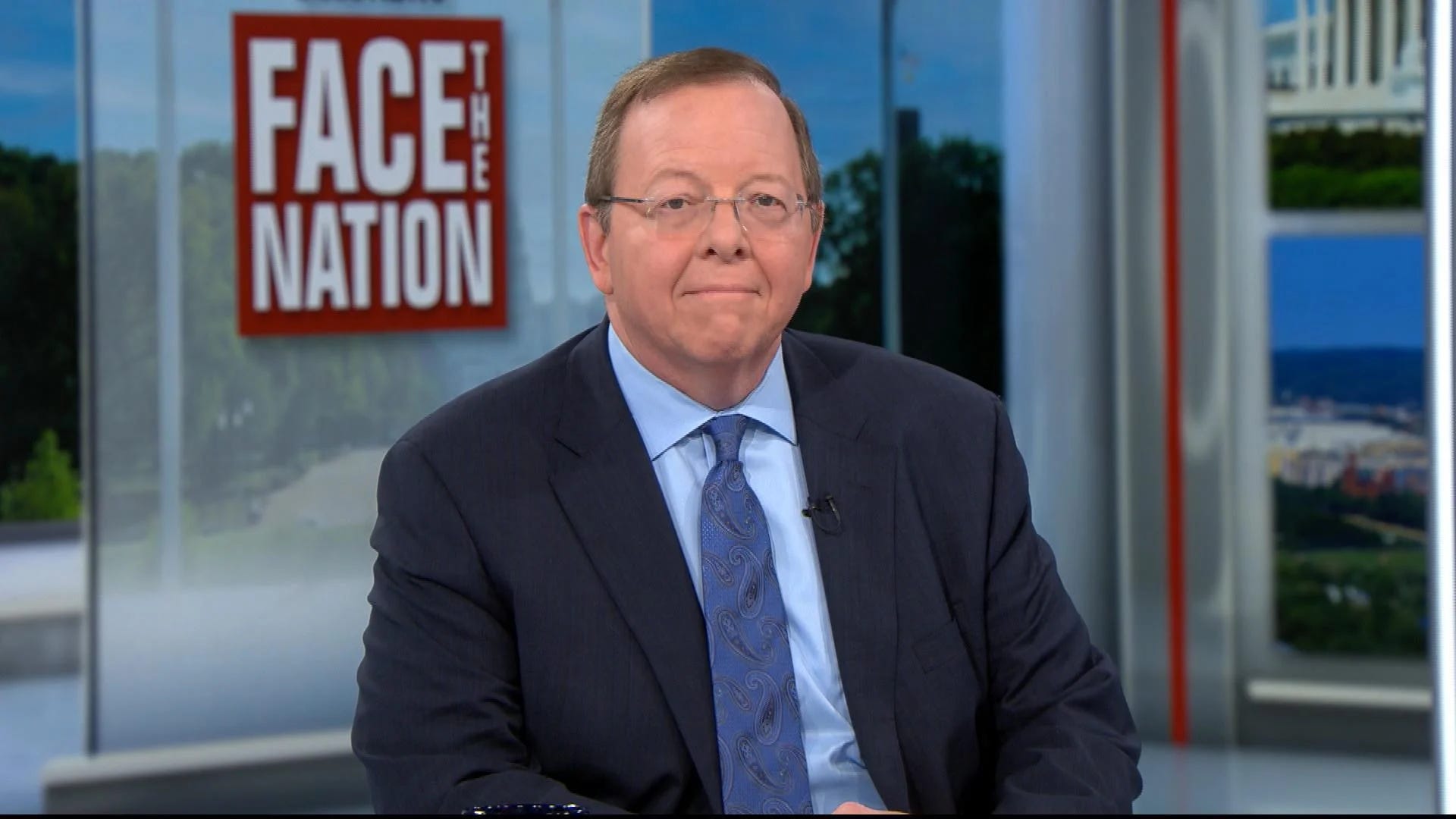
Robert Pape has argued—provocatively—that Iran’s capacity to threaten the Strait of Hormuz and disrupt global energy flows grants it a degree of influence that exceeds conventional measures of power.
It is a compelling argument, and not without foundation. In a globalized economy, leverage over critical chokepoints can translate into outsized strategic relevance. A nation need not rank among the largest in conventional terms to exert meaningful pressure on the system as a whole.
We are, moreover, in a moment that defies easy comparison. The character of conflict is evolving—shaped by drones, decentralized capabilities, and economic interdependence in ways that complicate traditional hierarchies. Old categories persist, but they do not always clarify.
And yet, there is a risk in extending the argument too far.
Asymmetric power derives, in part, from imbalance—not only in capability, but in exposure. The smaller or more constrained actor often benefits from lower expectations and fewer assets at risk. It can impose costs without bearing them in equal measure—an asymmetry that defines its advantage.
But power, once accumulated, alters that equation.
A nation that approaches the status of a major power acquires not only influence, but vulnerability—interests to protect, systems to maintain, and a greater stake in stability itself. The very conditions that enable asymmetric advantage begin, over time, to erode it. Influence becomes something to preserve, not merely to project.
In that sense, there is a tension in describing Iran as both structurally asymmetric and functionally among the world’s more consequential actors. The two conditions are not stable over time.
None of this diminishes the force of Professor Pape’s observation. Iran’s ability to affect global markets and regional stability is real, and it warrants serious consideration. But it may be better understood not as a reordering of the global hierarchy, but as an illustration of how influence can be exercised from positions that remain, in other respects, constrained.
We are, as ever, learning in real time.
But if there is a lesson emerging, it may be this: power is not simply what a nation can disrupt, but what it must preserve. And as that balance shifts, so too does the nature of the advantage it holds.