

One of my favorite parts of the World Cup has nothing to do with tactics, formations, or even the football itself. It is the anthems.
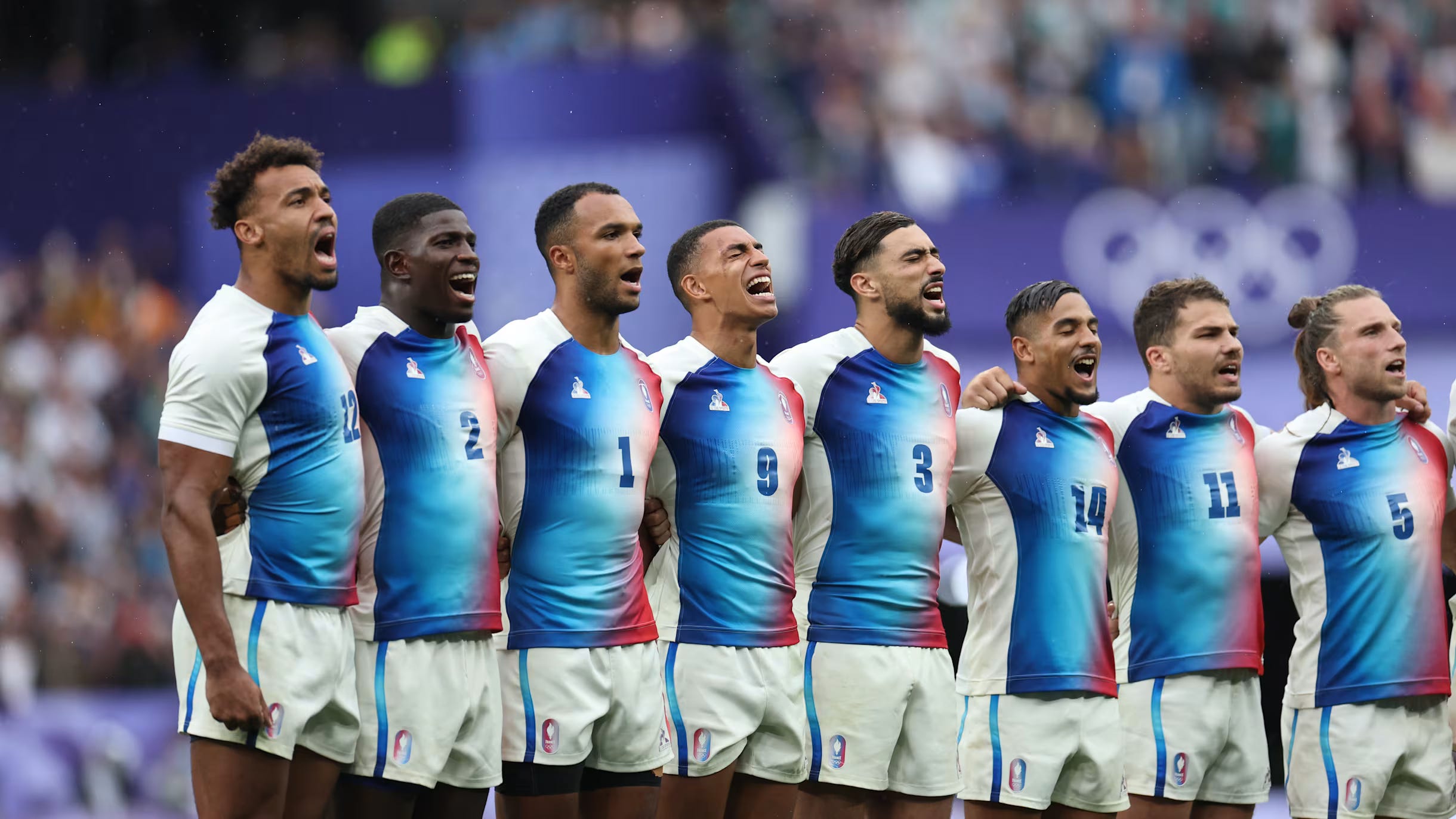
To hear La Marseillaise before a match in France or at an international tournament, where even opposing supporters sometimes seem unable to resist singing along, is an unexpectedly emotional experience. Part of the reason is musical: La Marseillaise is one of the few national anthems written as a literal call to arms, with a melody that surges forward and a rhythm that practically demands participation. It was designed to stir a citizenry, not merely to honor a flag. That quality still radiates from it today. There is a reason one of the most iconic scenes in Casablanca is built around La Marseillaise. Few national anthems carry that kind of emotional weight.
It may sound odd to admit this. I love the game, and I love the event. Soccer is one of the few sports in which entire regions have their own interpretations of how it ought to be played. Yet before a ball is kicked, it is often the music that moves me most.
Americans have spent years arguing about whether athletes should stand for the national anthem. I have my own views on that question, particularly when someone is representing the United States internationally. But watching other countries sing reminds me that the emotional experience of an anthem is different from the political argument surrounding it. When you watch La Marseillaise, you see the emotion on the players’ faces, and you notice the contrast with players like Zidane or Ribéry who do not sing. Their silence stands out precisely because the song sweeps so many others into its current.
I can get emotional watching foreign anthems, Brazil’s, France’s, even ones I have no personal connection to. If I pull up La Marseillaise sung by the French women’s rugby team before the 2025 World Cup, I will cry along with them at my keyboard. Yet nothing in The Star-Spangled Banner moves me in the same way. Perhaps if I were actually playing, it would feel different. Perhaps if we used Ray Charles’s America the Beautiful, I would feel something more. Or am I simply romanticizing nationalism abroad while treating it at home as something dangerous or unnecessary?
Part of the problem, I suspect, is that we play the anthem far more routinely than most countries do. Little League, high school games, professional sports or nearly every domestic event begins with the same ritual. Repetition breeds immunity. I will notice a particularly good rendition, but the anthem itself has become a kind of pregame placeholder, a convenient moment to take a team photo.
Perhaps that is the price of familiarity. We have turned our anthem into part of the pregame routine, while much of the world reserves theirs for the rare moments when a nation, rather than a club or a school, takes the field.
Or perhaps I would be like Zidane and Ribéry and simply want the game to start.