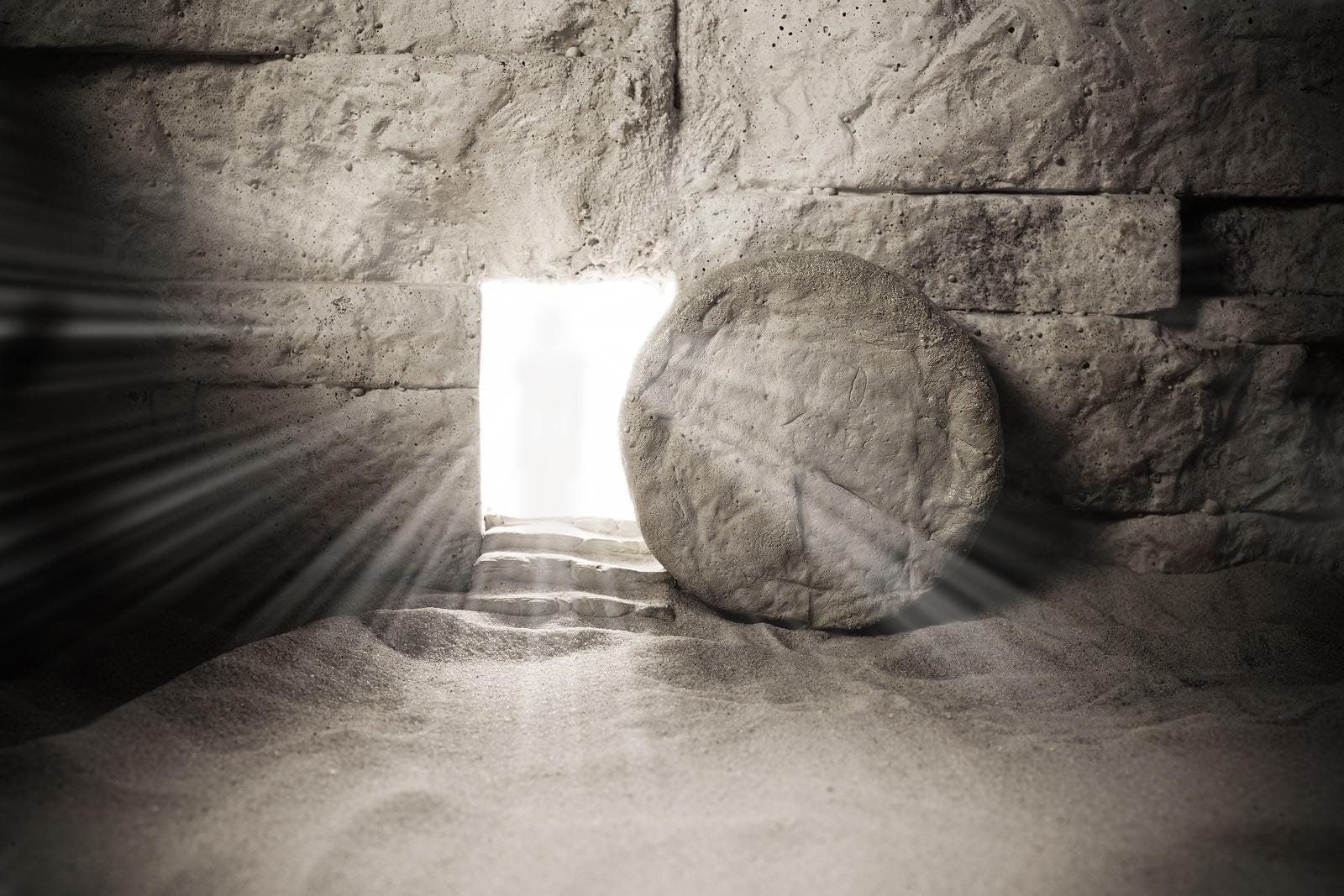
As the son of a Baptist minister—grandson and nephew as well—Easter carried a different weight in our house than Christmas. It was quieter, less adorned. No catalogs, no long lists. Just a story that arrived each year with the same quiet insistence: something had been broken, and somehow, impossibly, it had been made whole.
As a child, I understood Easter mostly through its symbols—the cross, the empty tomb, the hymns that seemed to rise a little more slowly than the carols of December. It felt more serious, less negotiable. Christmas invited you in. Easter asked something of you.
Many people, believers and skeptics alike, find their way more easily to Christmas. It is warm, accessible, generous. Easter is different. It turns on suffering, on doubt, on a moment when even faith itself appears to falter.
“My God, my God, why have you forsaken me?”
There is no easy way around that line. Perhaps that is the point.
If Christmas offers a vision of goodwill, Easter offers something more demanding: the possibility that despair is not final, that failure is not the end of the story, that what appears sealed may yet be opened.
You do not have to resolve every question of theology to feel the weight of that idea.
You only have to notice how often the world seems closed—how often things feel finished when they are not. A relationship. A career. A hope quietly set aside. Easter does not explain these things. It does something stranger: it suggests that endings may not be what they seem.
Dietrich Bonhoeffer, writing under the shadow of a far darker world, once described faith not as escape but as engagement—a willingness to live fully in reality, without illusion, and still believe that something more is possible.
That may be as close to an ecumenical Easter message as one can come.
Not certainty.
Not triumph.
But the stubborn refusal to accept that the last word has already been spoken.
The stone, after all, was not rolled away so that Christ could leave.
It was rolled away so that others could see.
Happy Easter.