

We have adopted a hard‑line immigration policy whose rationale is, at best, unclear and whose effects are even murkier. For a nation that styles itself as a country of immigrants — the shining city on a hill, the land of liberty, home to the Statue of Liberty herself — the shift has been jarring. Candidate Trump told us we needed to get tougher because immigrants from Mexico and Central America were bringing drugs and crime, and later that Muslim immigrants — or even visitors — posed a threat of terrorism. At other moments, the argument was economic: we could not afford the services newcomers required, or they were taking “your jobs.”
And yet, in the midst of this supposed crisis, we carved out a special exemption for white South Africans, citing racial discrimination that has never been substantiated. It is difficult to detect a coherent principle at work.
Perhaps this is long‑term electoral strategy — a belief that future immigrant voters will bolster Democratic strength. Perhaps it is cultural, a message that resonates with parts of the GOP base. And perhaps, in the darker corners of the discourse, it reflects the view — whispered by white nationalists and echoed by some in the administration — that America is, or ought to be, a white nation. But whatever the motive, it sits uneasily beside our diplomatic posture.
Consider the spectacle of Trump, and more recently figures like Pete Hegseth and JD Vance, advising European democracies to adopt similar restrictions. These admonitions are not directed at Russia or China or any geopolitical rival, but at NATO allies. Why, exactly, are we lecturing them on immigration? What interest is served? Under what authority? If this is meant as leadership, the message is muddled.
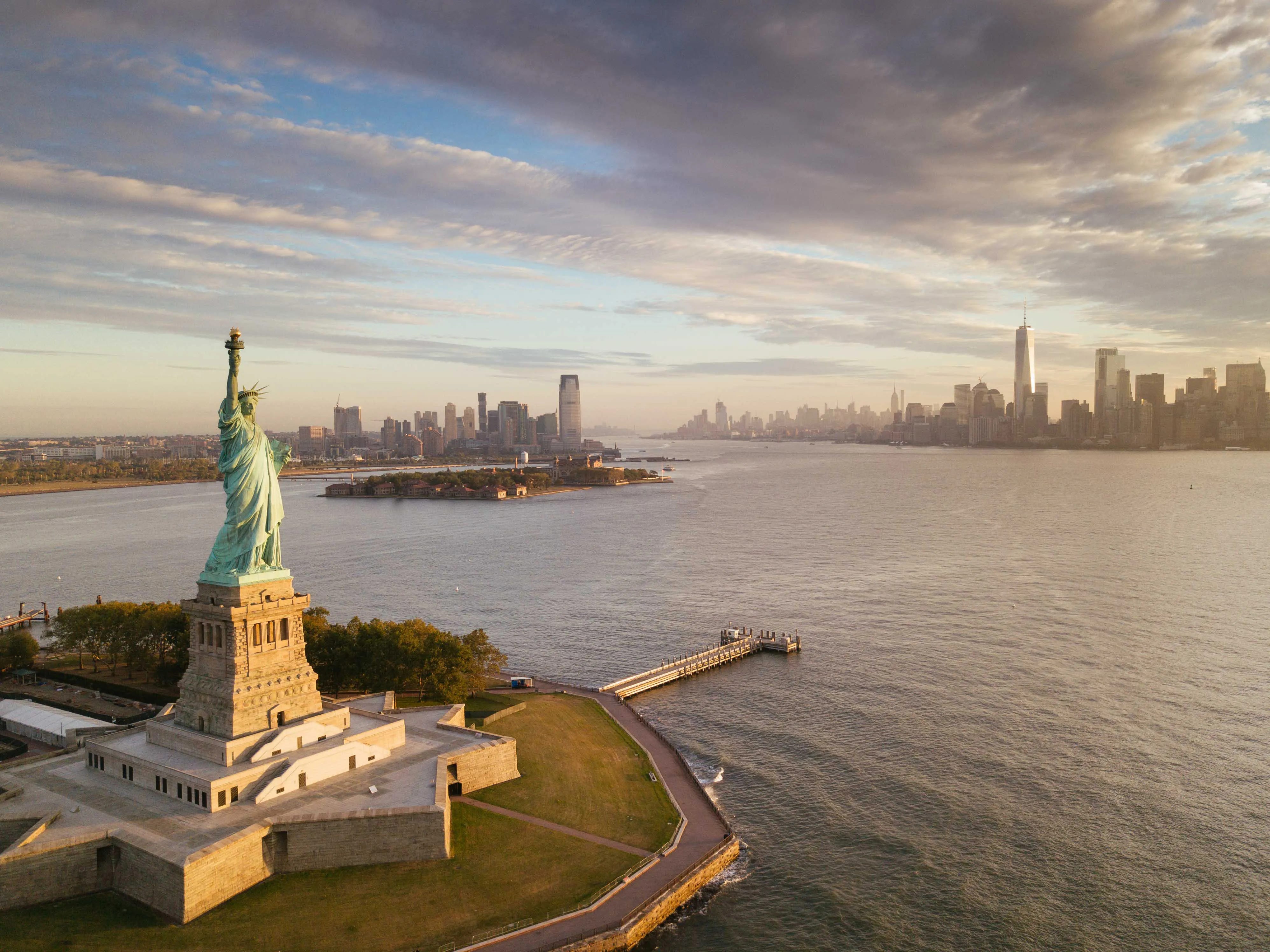
Meanwhile, we are “helping” many of the very countries whose citizens seek refuge here or in Europe — Venezuela, Cuba, Iran, Nigeria — often through pressure campaigns, sanctions, or counterterrorism operations. We tell Iranians we want them to be free, and Cubans that we want their lives to improve, even as our policies help collapse their economies. The contradiction is hard to miss.
Even if our intentions are noble — and even if our actions are lawful under international norms — why are we generous abroad and hostile at home? If we truly aim to improve conditions in these countries, will our immigration policy change once we succeed? Or do we imagine a world in which people are fixed in place, unable to move, unable to seek opportunity elsewhere? A stagnant world, in other words.
It is difficult to understand our policy, or the benefits it supposedly confers, because we have not explained it in a way that withstands scrutiny. If we followed asylum law, respected international institutions, and articulated a coherent strategy, we might build support for what we are doing. But at present, one is left to wonder whether anyone — including those making the policy — truly knows what the policy is.